Alcaraz and Djokovic Renew Epic Rivalry Down Under

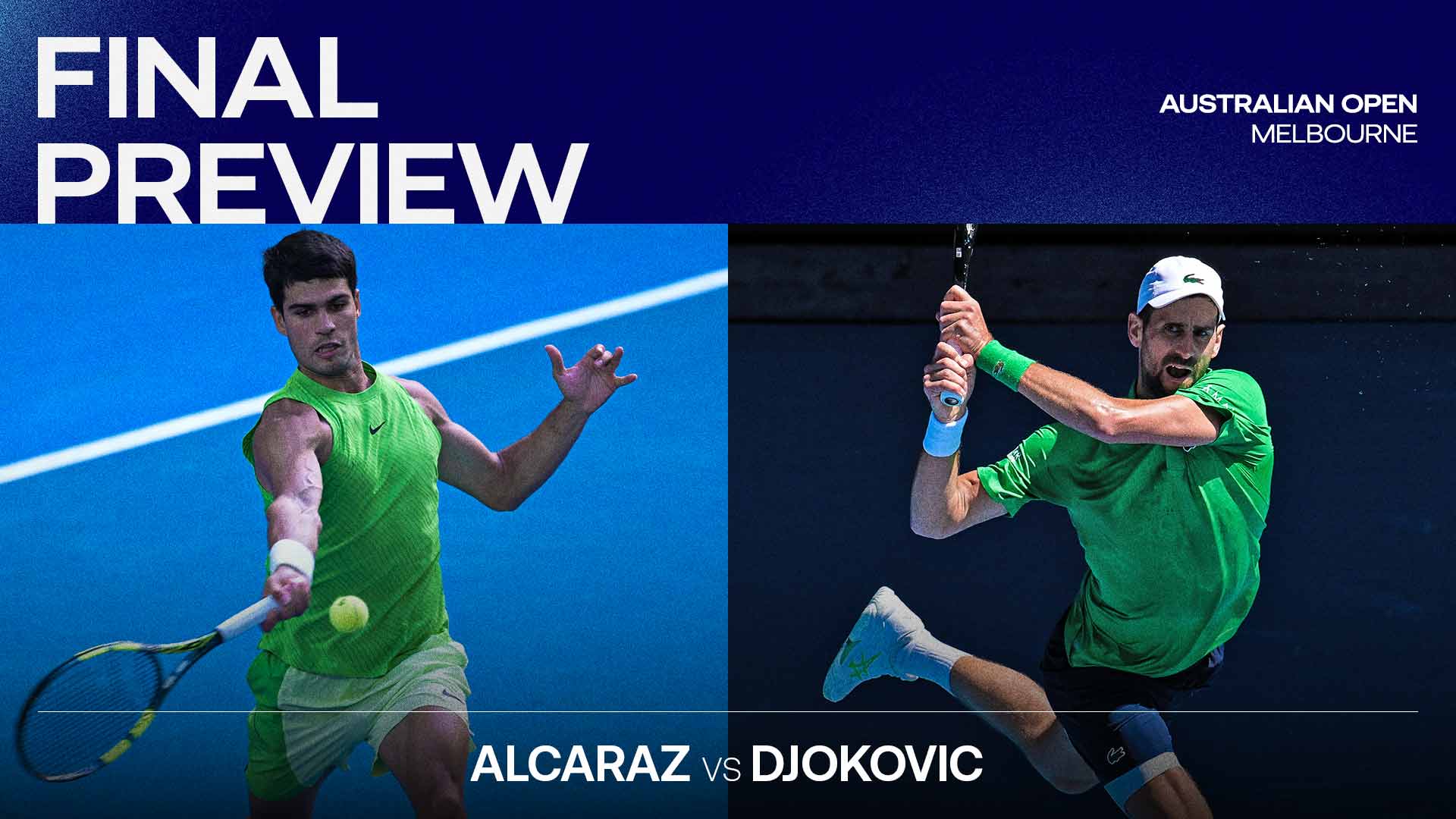
As Carlos Alcaraz and Novak Djokovic prepare for their Australian Open final on January 30, 2026, their nine-match history pulses with high-stakes drama, from clay-court upsets to hard-court marathons, each clash sharpening the edge between youth and experience.
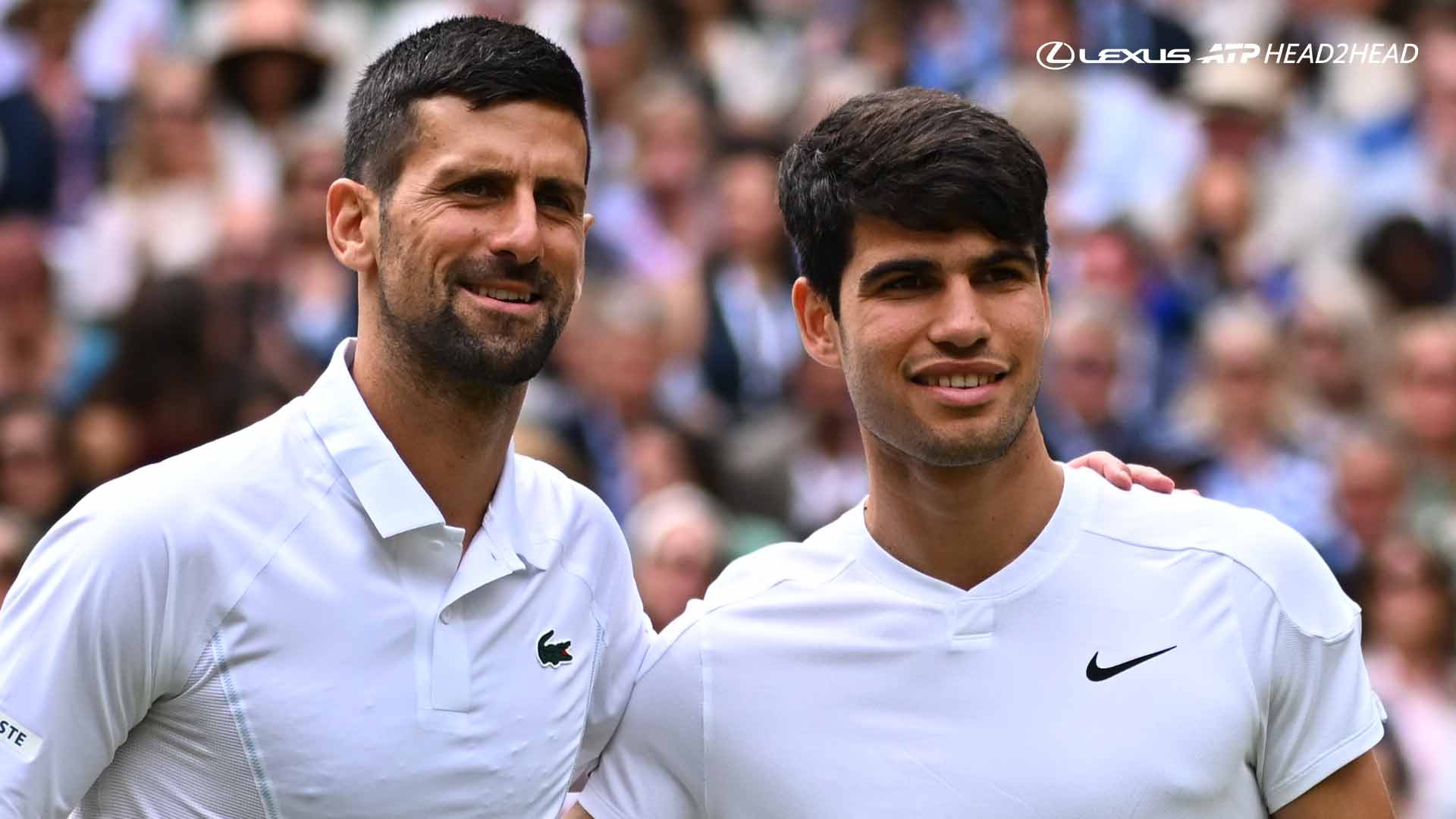
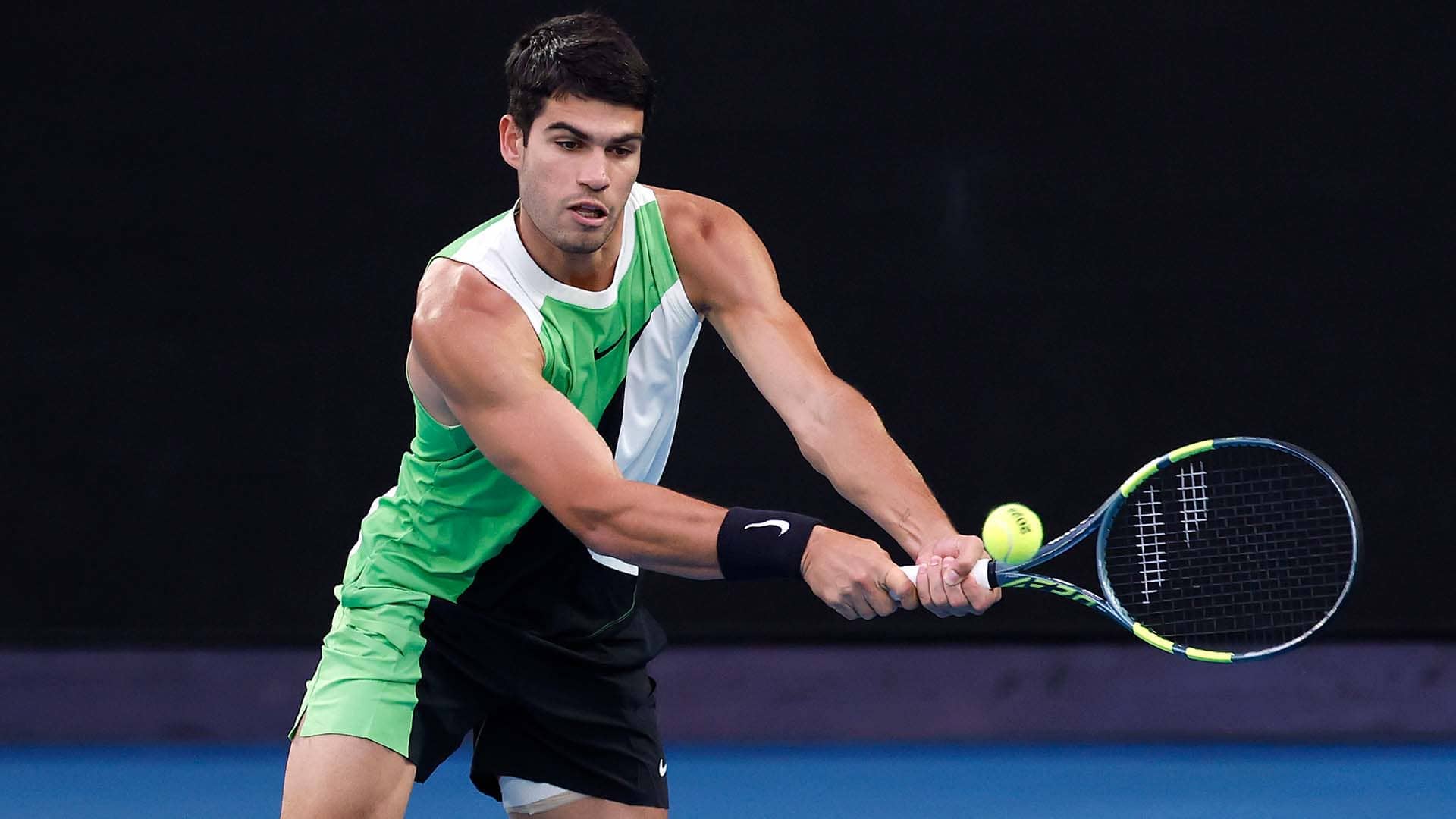
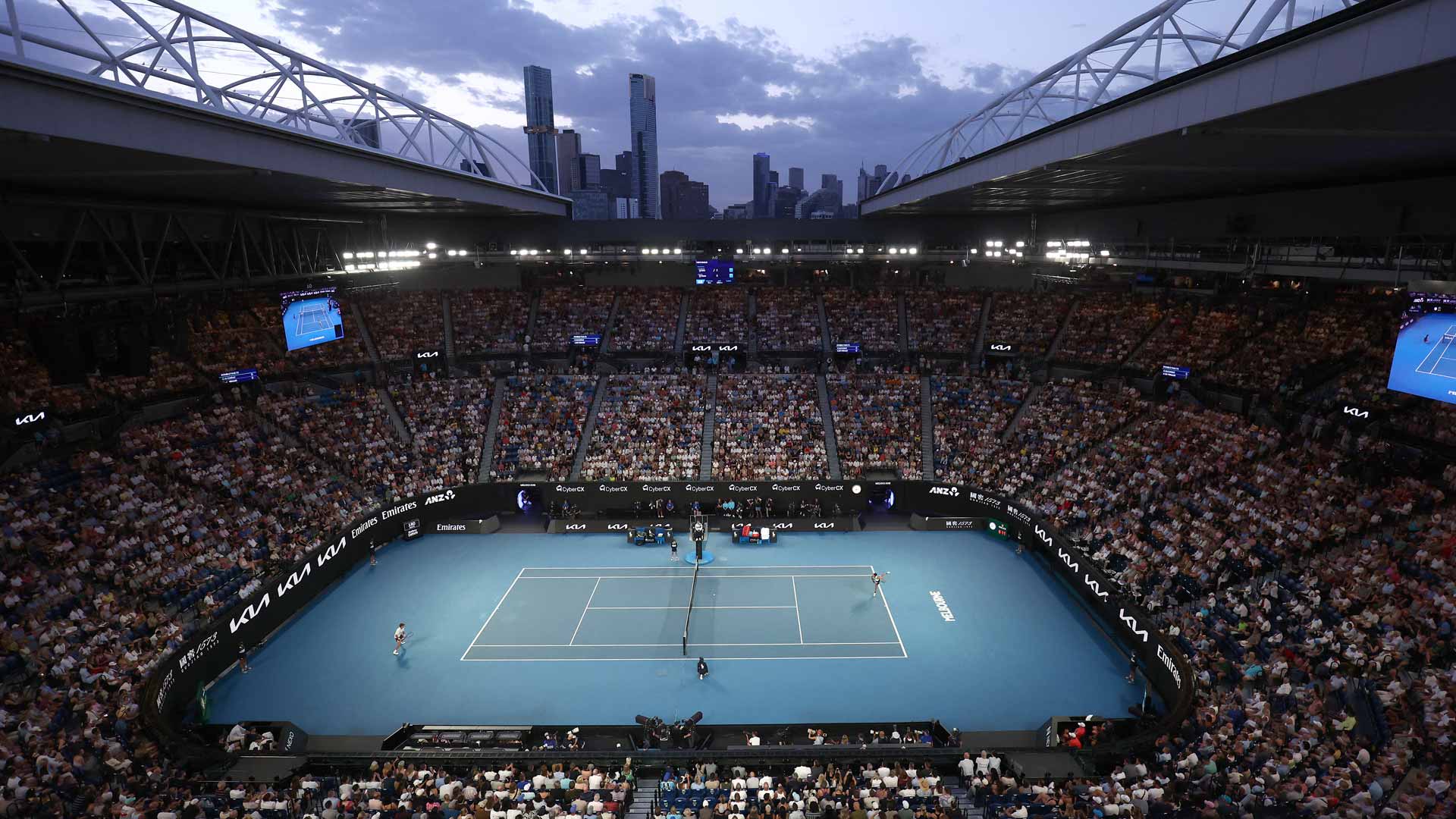
In the shadow of Melbourne’s Rod Laver Arena, Carlos Alcaraz and Novak Djokovic stand poised for their first Grand Slam final since Wimbledon 2024, a collision that promises to etch another layer into their storied rivalry. The Spaniard, fresh off a straight-sets dismantling of the Serb in the 2025 US Open semi-finals, carries the momentum of a 4-5 head-to-head edge, his game a whirlwind of power and precision. At 22, Alcaraz eyes his sixth major title and a return to No. 1, while the 38-year-old Djokovic hunts a record 25th, his resilience a constant in this intergenerational duel.
“Carlos brings so much energy and intensity on the court,” Djokovic said. “He always demands the best of his opponent in order to have a chance to win against him. I knew that coming into the match.”
Breaking through in New York
The 2025 US Open semi-final on Arthur Ashe Stadium capped their set of Grand Slam meetings, a 6-4, 7-6(2), 6-4 triumph for Alcaraz that avenged defeats at the Australian Open quarters and the Paris Olympics gold medal match. Over two hours and 25 minutes, the Spaniard dictated with ferocious forehands and inside-out backhands, rallying from 0-3 in the second set to build an unassailable lead. Djokovic’s physical struggles surfaced in the third, his movement slowing as Alcaraz’s weight of shot overwhelmed the baseline exchanges.
This victory extended Alcaraz‘s streak to 12 matches, tracing back to his Cincinnati Open title, his eighth ATP Masters 1000 crown, and marked his eighth consecutive final run since Monte-Carlo in April. The New York crowd’s roar amplified the tension, turning the night session into a cauldron where the younger man’s grit shone through. For Djokovic, the loss highlighted the toll of age, yet his tie-break fightback in the second set recalled the mental steel that has defined his career.
Resilience tested in Melbourne quarters
Earlier that year at the Australian Open, Djokovic turned the tables in the quarter-finals, edging Alcaraz 4-6, 6-4, 6-3, 6-4 after a medical timeout for his upper left leg, taped heavily to stem an injury. The Serb’s baseline consistency absorbed the Spaniard’s aggressive surges, his slice backhands disrupting rhythm on the faster hard courts. Alcaraz pushed with inside-in forehands, but Djokovic improved set by set, withstanding a late rally to advance.
The match felt like a final, the energy electric under the lights, every point a test of endurance. “Every set was super close. The crowd was into it. So much energy on the court. It was amazing. It felt like it was finals of a Slam, to be honest. I wish it was,” Djokovic reflected. “Credit to him for fighting. I think we both gave all on the court tonight. Hopefully people saw that.” This reversal added psychological weight for Alcaraz, forcing adaptations in his one–two patterns to counter the Serb’s return game.
“We almost played three hours for two sets. It was an incredible battle, incredible fight,” said 24-time major winner Djokovic. “When the last shot went past him, that was the only moment I actually thought I could win the match. I mean I believed that I could win, but to actually win it, because he keeps on coming back. He keeps on asking me to play my best tennis. I don’t know what to say. I’m still in shock, honestly. I put my heart, my soul, my body, my family, my everything on the line to win Olympic gold at age 37. I finally did it.”
Olympic gold seals a clay thriller
The Paris Olympics final in August 2024 delivered one of the season’s highest-quality battles, Djokovic clawing past Alcaraz 7-6(3), 7-6(2) in a 94-minute epic on Court Philippe-Chatrier. He fended off all five break points in the opener, his underspin slices keeping the Spaniard’s topspin at bay, then fired a rasping crosscourt forehand winner at 2-2 in the second-set tie-break to seize control. Alcaraz’s power pressed relentlessly, but the Serb’s error-forcing depth prevailed, fulfilling a lifelong dream with Olympic gold.
The clay surface amplified the mental chess, each tie-break point a nerve-shredding exchange under the Parisian lights. For Alcaraz, the narrow defeat fueled his drive into 2025, honing his patience in longer rallies. Djokovic’s resilience here, at 37, underscored why he remains the benchmark, his victory a psychological anchor amid the rivalry’s escalating intensity.
Shifting to Wimbledon 2024’s final, Alcaraz dominated 6-2, 6-2, 7-6(4), striking 42 winners to Djokovic’s 26 with fewer unforced errors in a two-hour, 30-minute display on the All England Club’s grass. His drop shots and heavy topspin pinned the Serb back, though nerves surfaced when he failed to serve out from 5-4, 40/0 in the third set. Regrouping in the tie-break, the Spaniard completed the Roland Garros-Wimbledon double as the sixth man in history, his fourth major a testament to surface adaptation.
“It is a dream for me, winning this trophy,” said Alcaraz at the trophy ceremony. “In an interview when I was 11 or 12 years old I said my dream was to win Wimbledon, so I am repaying my dream. I want to keep going but it is a great feeling to play in this beautiful court and to lift this amazing trophy. This is the most beautiful tournament, most beautiful court and most beautiful trophy.”
The grass’s low bounce favored Alcaraz’s speed, turning defensive lobs into offensive volleys, while Djokovic’s early push faded under the pressure. This win eased seasonal strains for the 21-year-old, propelling his final runs and setting up hard-court battles. The Centre Court atmosphere, hushed then erupting, captured the rivalry’s emotional pull, with Alcaraz’s joy contrasting the Serb’s quiet resolve.
In the Nitto ATP Finals 2023 semi-final, Djokovic delivered his most emphatic win, 6-3, 6-2, his deep groundstrokes handcuffing Alcaraz’s attacks in Turin. The 20-year-old fashioned a late push after trailing by a break in the second, but the Serb escaped 15/40 in a standout game to hold and close out the match. This shifted the head-to-head to 3-2 for Djokovic, who followed with a masterclass over Jannik Sinner for a record seventh title.
“I approached the match with the right attitude, the right mentality, and I knew from the very first point it was going to be greatly intense,“ Djokovic said. ”He had break points right away, 15/40 in the first game. That’s Carlos. He always brings out his best in these kinds of matches and starts with a lot of high quality tennis and intensity. You’ve got to match that, try to weather the storm, and I did that.”
The indoor hard courts suited Djokovic’s consistency, denying Alcaraz space for his explosive forehands, a tactical lesson in patience under pressure. For the Spaniard, the defeat sharpened his indoor game, influencing later adjustments on faster surfaces. The Turin’s electric vibe, with year-end stakes high, amplified the mental duel, pushing both to evolve.
The Cincinnati Open 2023 final unfolded as a three-hour, 49-minute marathon—the longest best-of-three ATP final since 1990—with Djokovic saving championship point at 5/6 in the second-set tie-break to win 5-7, 7-6(7), 7-6(4). Alcaraz controlled early, up a set and break with inside-in forehands pressuring the 36-year-old’s serve, but the Serb broke back when serving for the title in the decider. His resolve turned a potential straight-sets loss into a hard-court classic, the humid Ohio night thick with tension.
“Just overall, one of the toughest and most exciting matches I was ever part of and these are the kinds of moments and matches that I continue to work for day in day out,” Djokovic said. “I was never in doubt that I can deliver the ‘A’ game when it mattered the most and [I am] just thrilled.”
Alcaraz’s resolve in breaking back showed maturity, but the loss taught sustaining leads against comebacks. This encounter, their first on hard courts post-Wimbledon, bridged grass to cement, with Djokovic’s 1–2 serve patterns proving decisive. The Western & Southern Open’s baseline grind honed Alcaraz’s endurance for majors ahead.
Wimbledon 2023’s final marked a turning point, Alcaraz overcoming cramps to claim 1-6, 7-6(6), 6-1, 3-6, 6-4 in four hours and 42 minutes, denying Djokovic an eighth title and Calendar Slam chase after Australian Open and Roland Garros wins. The Serb stormed the opener, extending his streak to 35, but a missed backhand at 6/5 in the second tie-break ignited the Spaniard’s fightback with down-the-line passes. Despite physical woes mid-match, Alcaraz’s fifth-set surge sealed his second major.
“It’s a dream come true for me,” Alcaraz said. “As I said before, of course it’s great to win, but even if I had lost, I would be really proud of myself with this amazing run. Making history in this beautiful tournament, playing a final against a legend of our sport.“
The grass tested both, Alcaraz’s variety scrambling Djokovic’s positioning, while the crowd’s support fueled his recovery. “I told him at the net. He knows how young he is. He’s got plenty of time ahead of him, so he’s going to win this tournament I’m sure many times,” Djokovic said. “He’s an unbelievable player, an incredible competitor and a very nice guy, so he deserves all the applause and all the support.” Alcaraz’s candid reflection on cramping vowed improvements, building fortitude for future pressures.
Alcaraz was open about his feelings after the loss to the eventual champion. He said: “I’m disappointed in myself honestly, and in a match like this, coming to this match with great feelings, feeling great physically, and cramping at the end of the second set, beginning of the third set, it was really disappointing. But these kind of things happen, and I have to deal with that.”
Their rivalry began at the 2022 Mutua Madrid Open semi-final, where Alcaraz upset top-seeded Djokovic 6-7(5), 7-5, 7-6(5), hitting 51 winners including drop shots that sent the Serb scrambling on clay. Fresh off beating Rafael Nadal in quarters, the 19-year-old home favorite blended power and finesse over three hours and 36 minutes at Caja Magica. This breakthrough announced his elite status, boosting confidence against the best.
”I know that I played a really good game,” Alcaraz said. “For the rest of the season I think I am able to play against the best players in the world and beat them as well, so it gives me a lot of confidence.”
The Madrid crowd’s fervor turned the match into a spectacle, Alcaraz’s booming forehand winner clinching the upset as the first to topple Nadal and Djokovic in the same clay event. For Djokovic, the variety caught him off-guard, prompting tactical shifts in later clashes. This origin point planted the seed of rivalry, evolving through surfaces and stakes into 2026’s Melbourne climax.
As they converge for the Australian Open title, the duo’s history—from Madrid’s clay debut to US Open‘s hard-court grit—weaves a narrative of adaptation and mental fortitude. Alcaraz’s explosive energy challenges Djokovic’s defensive mastery, each match refining their edges on varied bounces. Under Melbourne’s lights, the Spaniard’s streaks and the Serb’s comebacks collide, promising a final where psychology tips the scales as much as the shots.