Zverev Bows Out of Rotterdam Recovery First

Alexander Zverev’s ankle forces a tough call on the indoor circuit, pulling him from the ABN AMRO Open just as his 2026 season heats up after a deep Australian Open run.
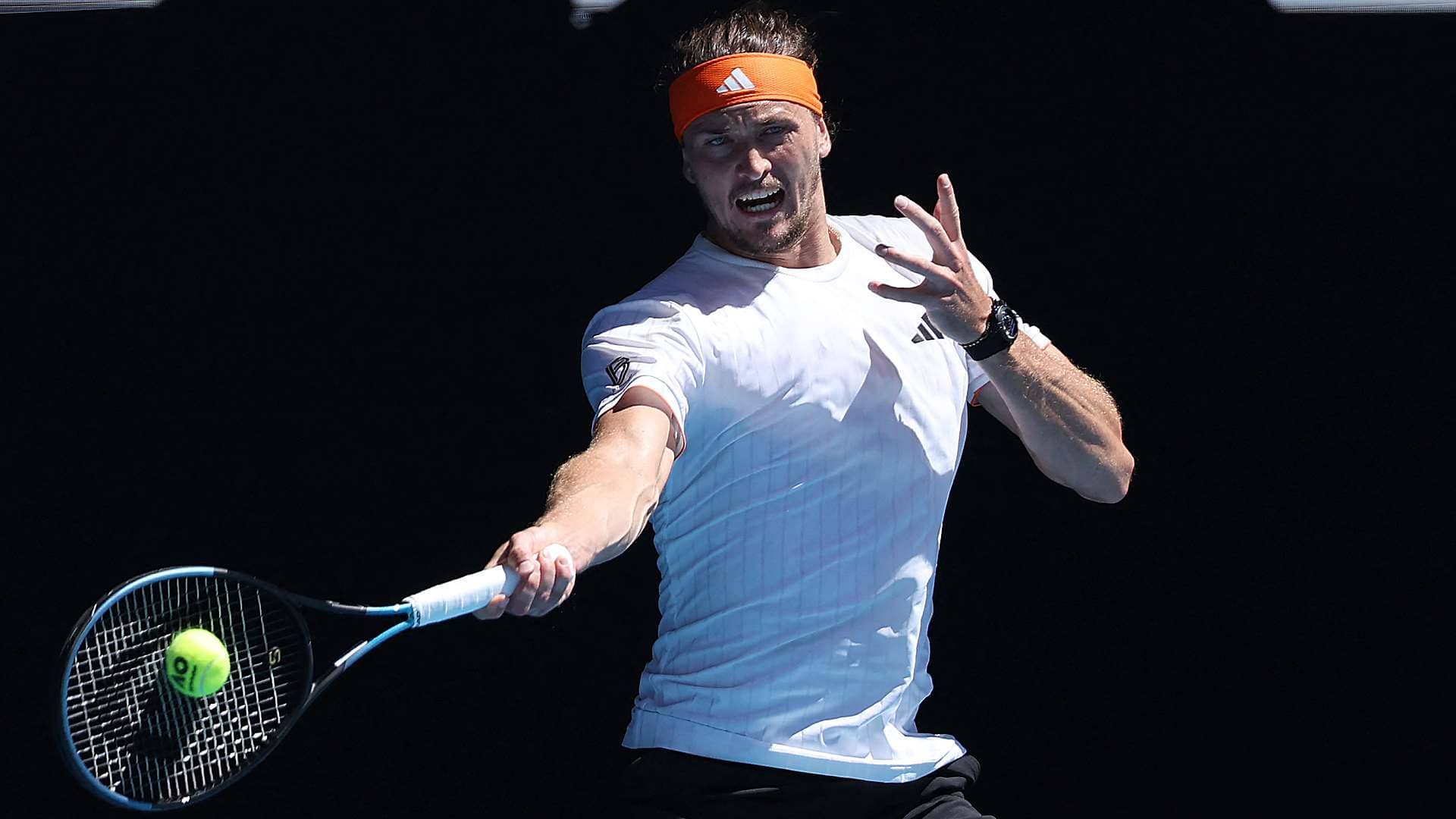
In the quiet hum of an indoor hard-court buildup, Alexander Zverev has withdrawn from the ABN AMRO Open in Rotterdam. The 28-year-old German, carrying a 6-2 record into February, steps aside due to recurring ankle issues that his physio insists demand full attention. This decision lands on February 4, 2026, via the tournament’s social media, cutting short what could have been a power-packed return to a venue he’s known since his early days.
His last trip to Rotterdam ended in 2023 with a second-round defeat to Tallon Griekspoor, after six previous appearances that left positive marks. Now, with the event looming from February 9-16, the draw adjusts without his baseline firepower. Zverev kicked off 2026 at the United Cup before pushing to the Australian Open semifinals, where a five-set loss to Carlos Alcaraz tested his limits.
“I find it incredibly unfortunate that I have to make this decision. At the ABN AMRO Open, I was already given a chance as a young player, and that’s why I always enjoy returning,” Zverev said. “However, given my history with my ankle, I have to prioritise my recovery and can’t take any risks. I wish everyone in Rotterdam a wonderful week.”
Alexander Zverev Withdraws from Rotterdam.
The 28-year-old German withdrew today. Due to recurring ankle problems, his physio advised him to recover thoroughly before playing matches again.
Wishing him a smooth recovery.
Read more: https://t.co/xFWGOrMpVu#AlexanderZverev #Zverev… pic.twitter.com/ihXkA87JFo— ABN AMRO Open (@abnamroopen) February 4, 2026
Ankle history demands caution
Recurring ankle problems have long tested Zverev’s explosive style, where quick pivots for inside-out forehands meet the fast pace of indoor surfaces. After the Australian Open‘s outdoor grind, the shift to Rotterdam’s contained courts would have amplified those risks, potentially turning crosscourt exchanges into precarious sprints. His physio’s guidance prioritizes healing over the 500 points on offer, a move that echoes past injuries vivid enough to linger in the tour’s collective memory.
Tournament director Richard Krajicek voiced the regret shared by organizers. “Given his history, we would naturally have liked to see Alexander back on court, but we also understand his decision here. Everyone still remembers the images and the impact of his previous ankle injury,” Krajicek shared. This pullout spares Zverev from testing tender footing in rallies that demand relentless lateral movement.
Field shifts without his power
The ABN AMRO Open now spotlights Top 10 players like Alex de Minaur, Felix Auger-Aliassime, and Alexander Bublik, whose speed and flair could dominate the slick indoor deck. Without Zverev’s heavy topspin to absorb and redirect, matchups lean toward quicker points and varied serves, altering the tactical flow from baseline grinds to net rushes. Rotterdam’s crowds, always electric under the lights, will pivot to these fresh dynamics, building energy around under-the-radar threats.
Zverev’s early-season form, marked by that semifinal epic against Alcaraz—full of down-the-line winners and prolonged 1–2 patterns—shows his potential when healthy. Skipping here allows recalibration, perhaps easing into clay with slice backhands intact rather than risking a flare-up on hard. The mental edge gained from rest could sharpen his return, turning this pause into fuel for majors ahead.
Recovery sets the season’s tempo
By heeding advice now, Zverev guards against deeper setbacks, preserving the serve-volley hybrids that thrive in controlled environments. His absence reshapes Rotterdam’s narrative, amplifying rivalries among the remaining field where de Minaur’s counters meet Bublik’s unpredictability. As the tour rolls on, this choice underscores the fine balance between ambition and preservation, positioning him for a stronger surge later.


