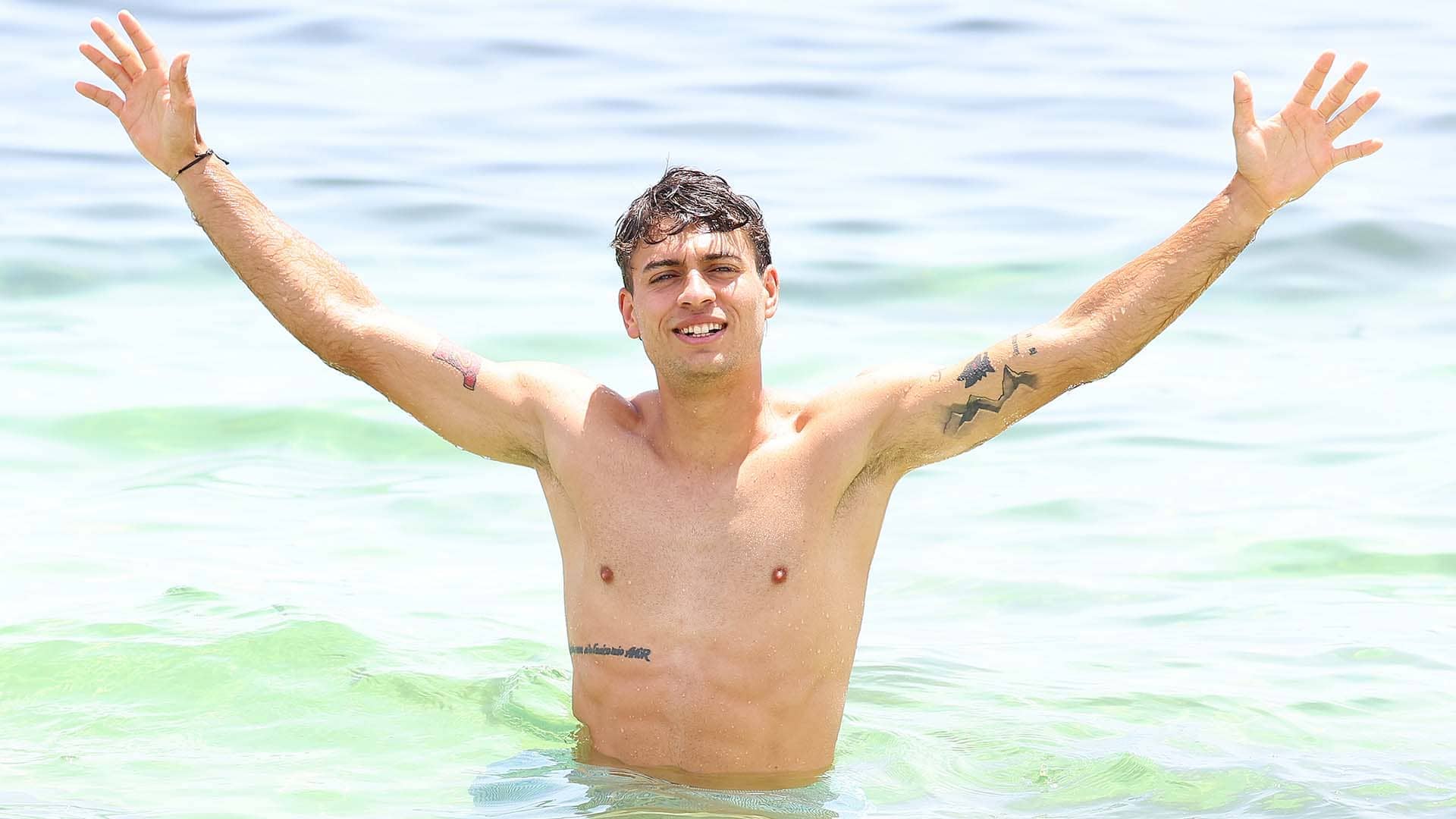
Zhang Zhizhen’s Shoulder Comeback at United Cup

China’s trailblazing Zhang Zhizhen returns to the United Cup ranked No. 410, his revamped forehand a weapon forged from a year-long shoulder battle that tested body and mind.
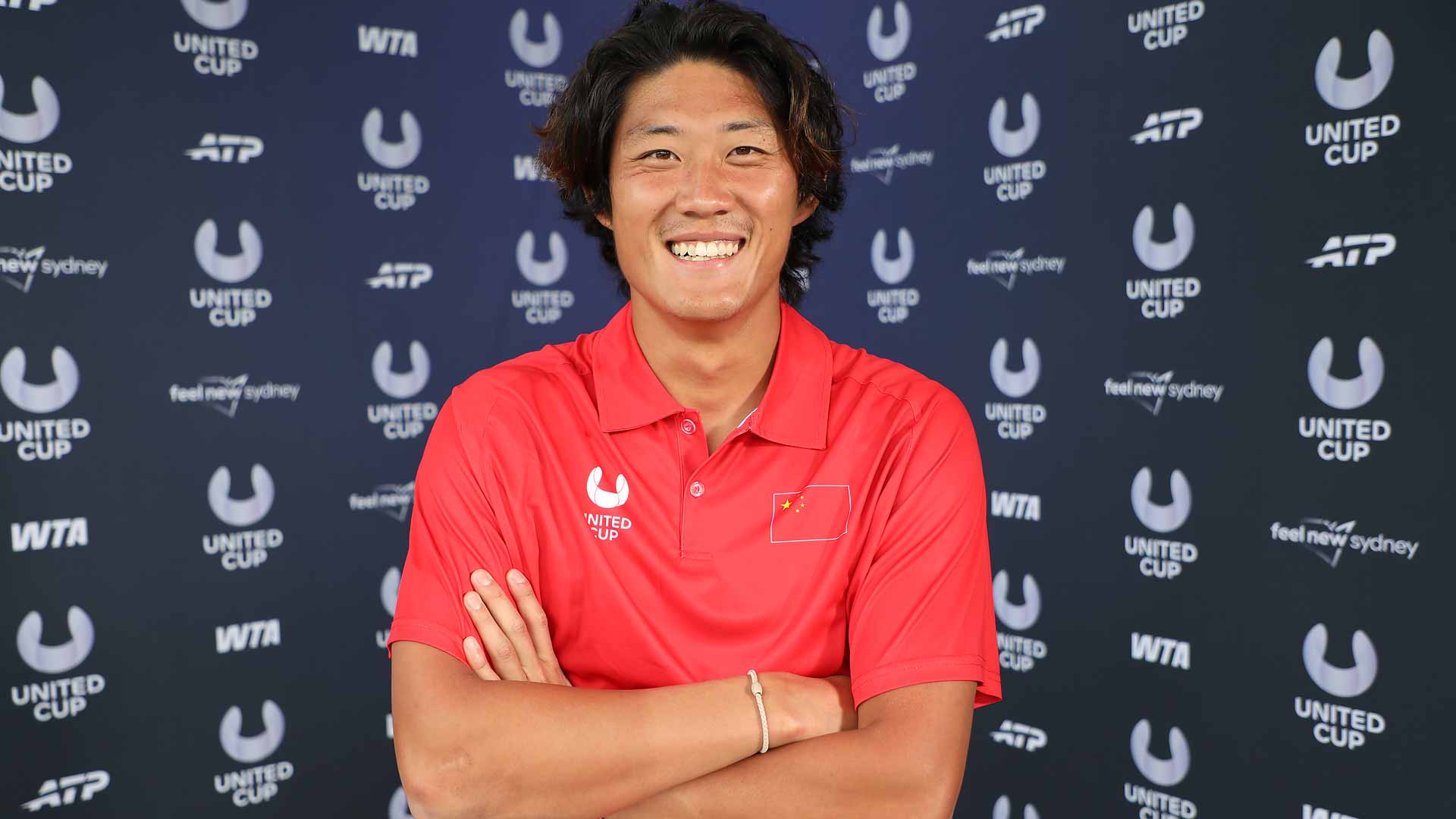
In Sydney’s electric hum, Zhang Zhizhen strides onto the court for the United Cup, China’s first man to break into the ATP top 100 now chasing redemption from No. 410. The 29-year-old right-hander’s 2025 season crumbled under a shoulder injury rooted in his teens, sidelining him for months and stripping away his World No. 31 form. This team event against Belgium carries fresh stakes, where his rebuilt game could reignite a nation’s tennis hopes amid the hard-court bounce.
“I do believe sometimes during the years, a few days, I felt the shoulder was painful, but I thought the problem was gone,” Zhang told ATPTour.com. “It seemed like that last year, I felt maybe in two weeks the problem will be gone. But it was still there and we did an MRI with an injection to see the problem.”
Pain resurfaces on tour
The twinges started in February 2025, a subtle ache in the front of his shoulder during Doha and Dubai matches, then faded just enough to lure him onward. By March, as he arrived in the United States for the BNP Paribas Open at Indian Wells, the discomfort swelled into something undeniable, halting his swing mid-rally. Imaging later revealed the real damage lurked deeper, inside toward the back, demanding over six months away from competition and reshaping his daily rhythm.
Zhang retreated to Shanghai, trading baseline grinds for relentless fitness sessions that kept his legs churning even as his arm rested. He squeezed in family time and late-night gaming, but the court’s absence gnawed at him, each jog a reminder of forehands left unhit. A quick trip to Madrid for the Laureus World Sports Awards broke the monotony, yet back home, the isolation amplified every doubt about his return.
Rehab forges mental steel
July marked his tentative step back with light hitting, where footwork across the court felt instinctive but full rallies exposed the rust in his timing. He never lost the sense of boundaries, moving constantly to preserve that edge, though the ball’s flight paths demanded relearning. Those early sessions built quiet confidence, turning physical rehab into a mental anchor amid the frustration of a derailed year.
“But most of the time I was running,” Zhang said with a smile. “In those moments sometimes I was missing a bit to play tennis. I knew when the tennis would start it would get a little bit easier. To do the fitness part, the exercises, only one session of the fitness part was really tough. So I wish I had some tennis, but I could not in that moment.”
The downtime sharpened his resolve, as September’s three tournaments in China tested the waters with short bursts of play that eased him into match tempo. Conditioning improved steadily, preparing him for Sydney’s pace, where endurance could tip long rallies in his favor. Nationally, the pressure to deliver for China added layers, but Zhang channeled it into focused drills, his backhand slice gaining bite to complement emerging forehand power.
Forehand reset unlocks potential
Pinpointing his old forehand swing path as the injury’s trigger, Zhang seized the layoff for a complete overhaul, scrapping preparation and power transfer for a smoother, more natural motion. This wasn’t minor adjustment; it was a full rebuild, emphasizing efficient uncoiling to generate heavy topspin without shoulder strain, ideal for inside-out lasers on hard courts. The changes align him closer to tour peers, where one–two patterns flow from compact setups rather than forced torque.
“This forehand, I wanted to change already. It was even a better moment to change completely,” Zhang said. “Without this shoulder injury, I think we wouldn’t change that and make such a big difference. We would do smaller changes to help, but now we changed everything. Preparation, using the power, how to transfer the power and a little bit the motion of the swing, which is everything. To be more natural and more like everyone.”
Against Belgium on Saturday, these tweaks could disrupt aggressive returns with crosscourt depth, opening angles for down-the-line backhands. Zhang’s arc from youth ache to this reinvention promises controlled aggression, his No. 410 ranking a temporary mark soon to climb with consistent fire. In the United Cup‘s team cauldron, he’ll wield that new weapon, blending tactical smarts with the grit of survival.