Hurkacz Emerges Stronger After Seven Months Out

In Sydney’s electric atmosphere, Hubert Hurkacz turns the page on a grueling knee recovery, his straight-set wins over top players signaling a comeback fueled by unyielding discipline and coach Nicolas Massu’s steady guidance.
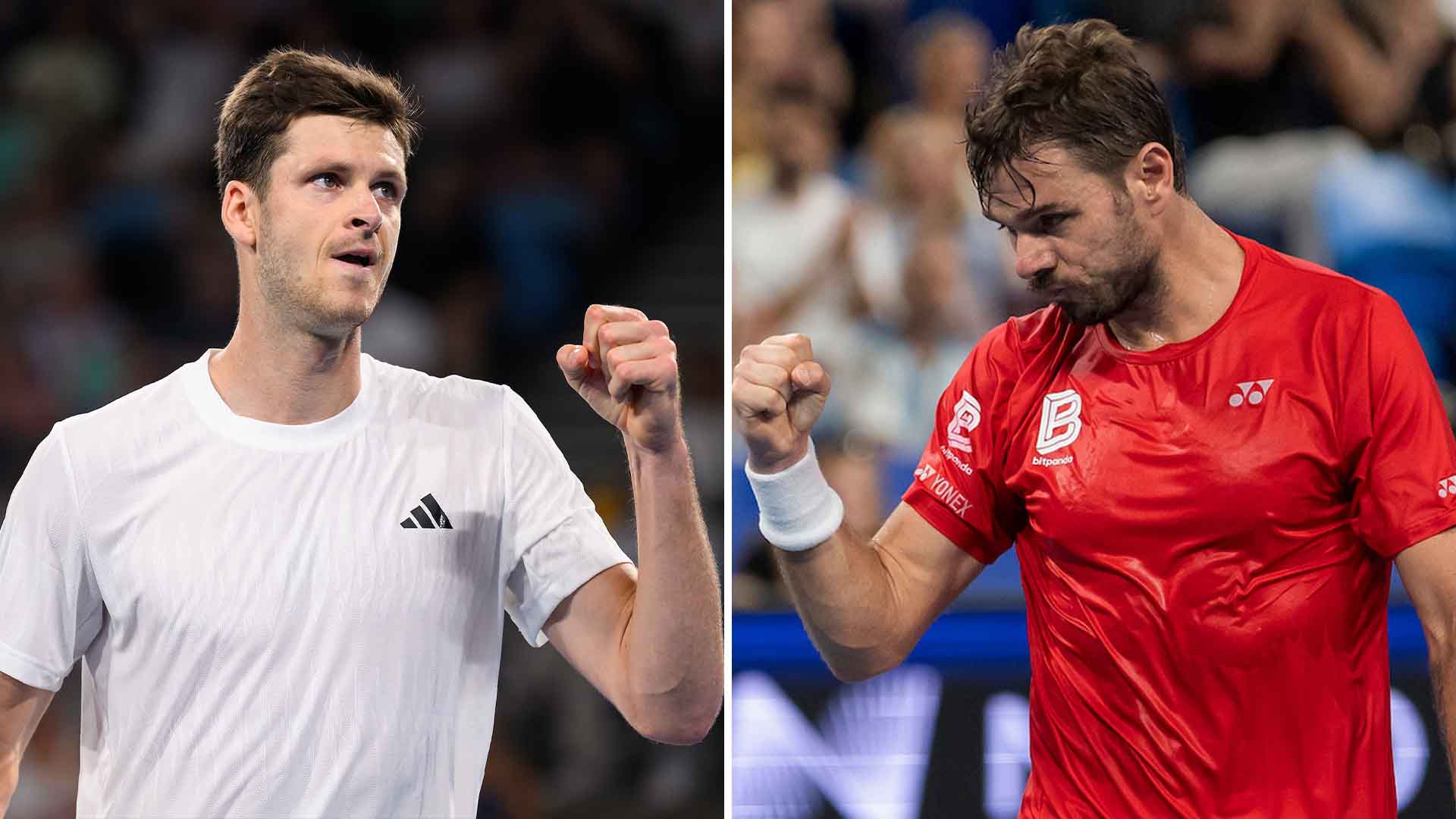
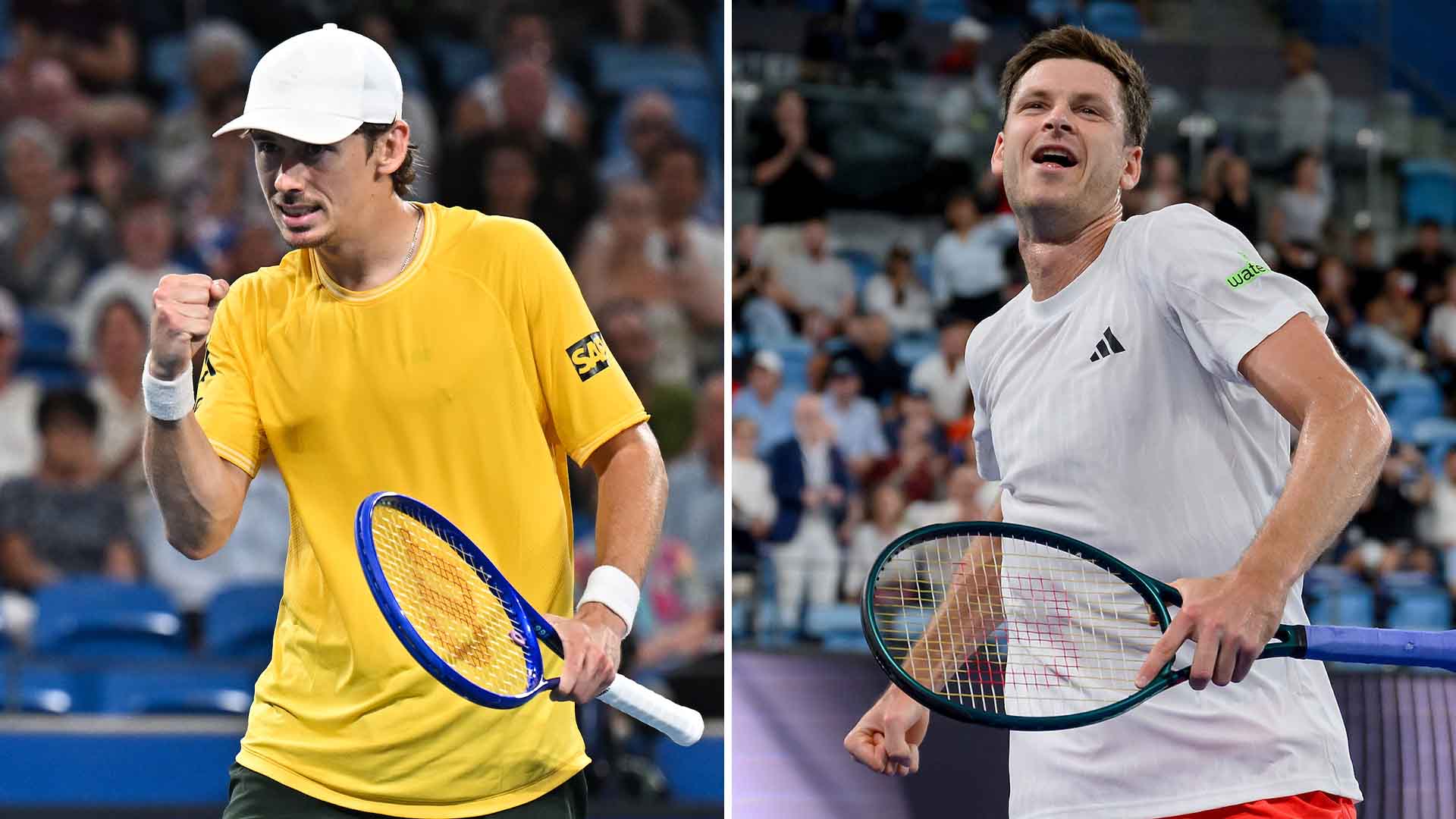
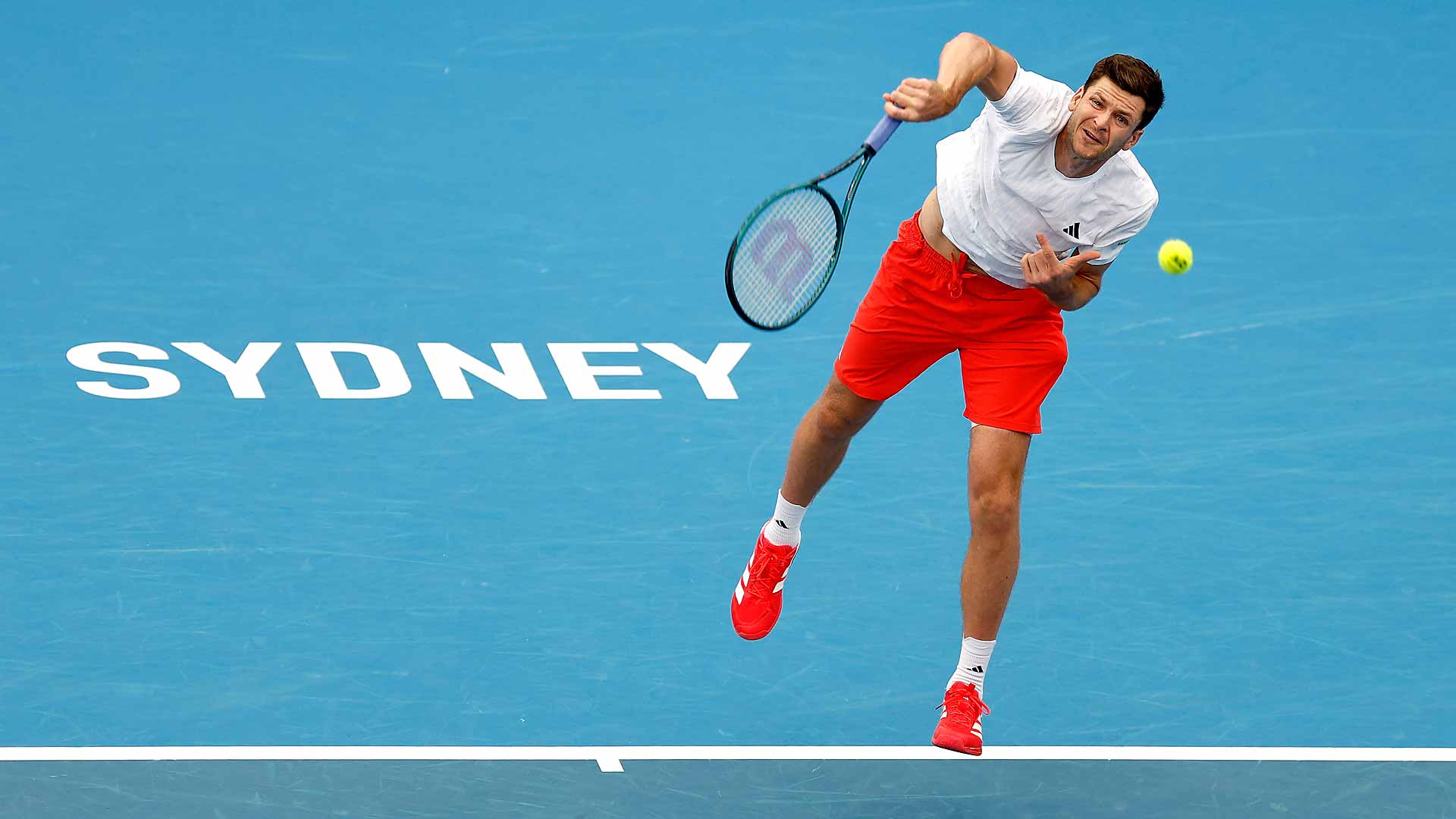
In the humid glow of Ken Rosewall Arena, Hubert Hurkacz unleashed his first competitive serves in seven months, the hard courts’ crisp bounce echoing his renewed purpose. The Pole, sidelined since last July’s knee surgery, faced Alexander Zverev with a mix of caution and conviction, his booming deliveries pinning the World No. 3 deep. Poland’s charge into the United Cup quarterfinals felt like vindication, a rhythm rediscovered amid the crowd’s rising cheers.
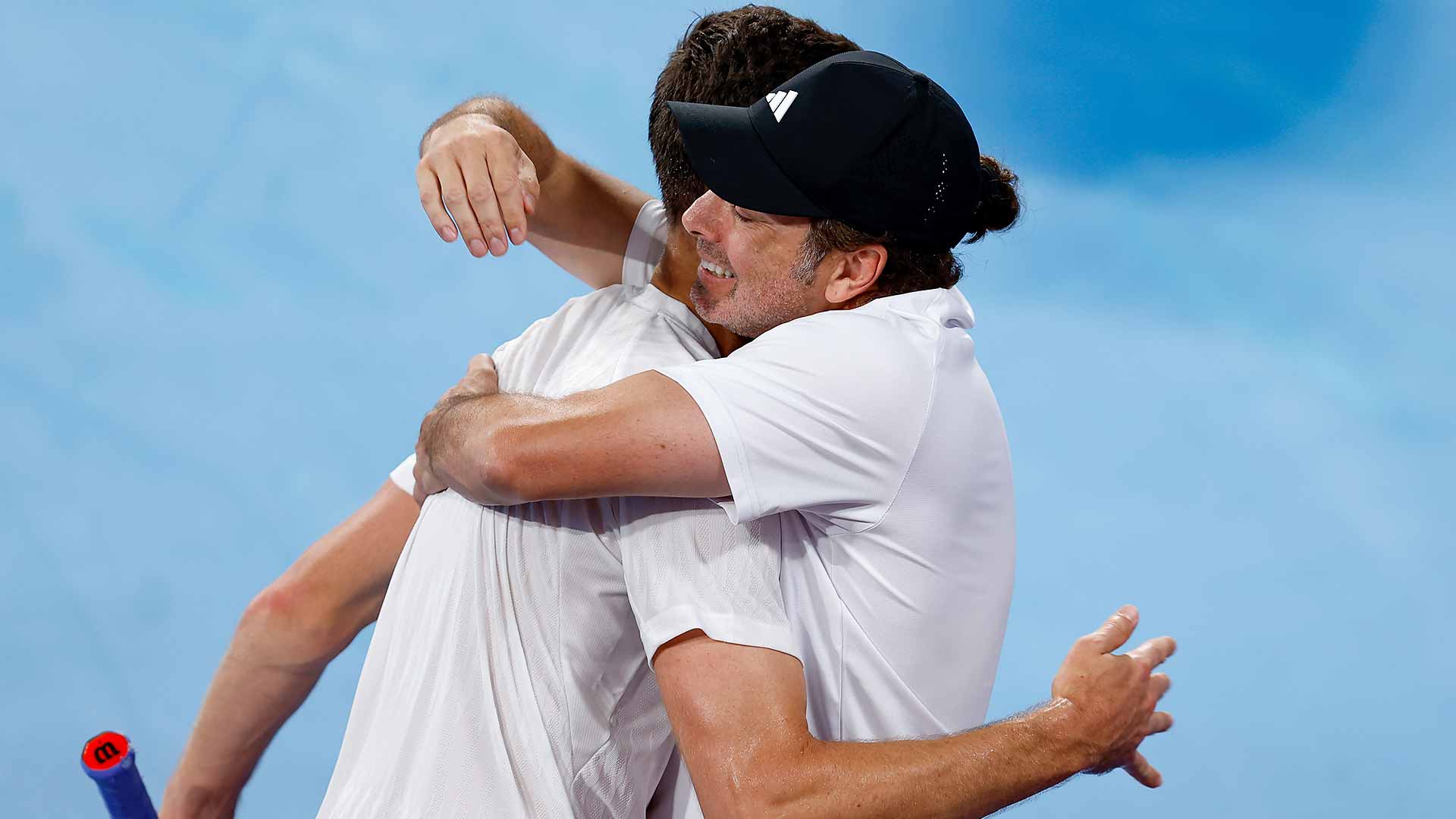
Coach Nicolas Massu, a former World No. 9 and two-time Olympic gold medalist, had primed him for this moment with simple, grounding advice before the tournament kicked off.
“Enjoy the competition again,” Massu told Hurkacz. “Look back at where you’ve been, and all that you passed already in the past seven months. You deserve to be here. Appreciate that. Enjoy the moment. Go step by step, not thinking too much about the results.”
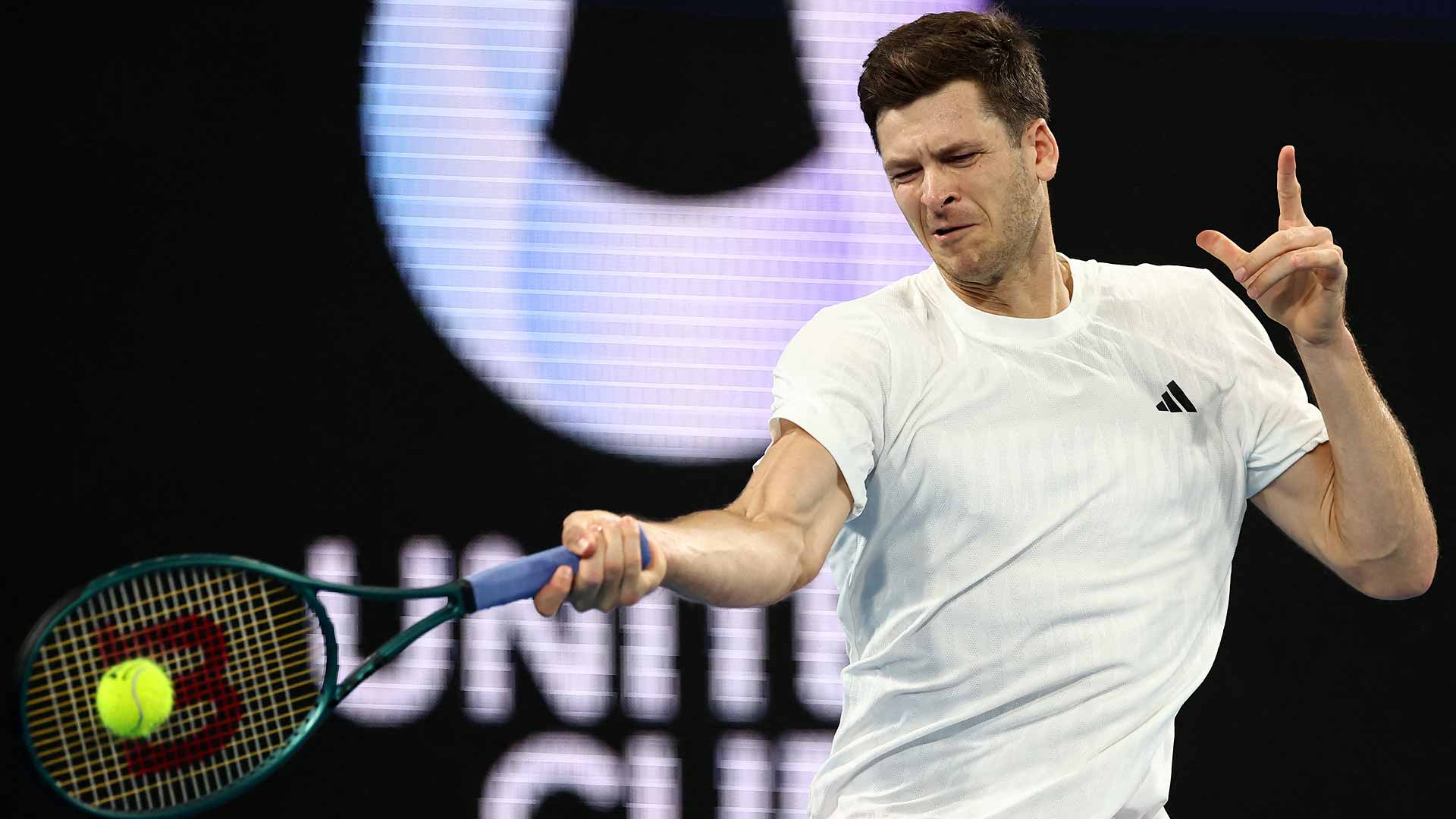
Those words cut through the mental fog of rehab, where every session in Marbella or Monaco tested limits. Hurkacz’s heavy topspin forehand, once a weapon, now returned with calculated bite, forcing Zverev into hurried crosscourt replies that sailed wide. The victory marked his 20th against a top-10 opponent, a milestone that steadied his slide down the rankings.
Patience tempers the recovery grind
Seven months off court stretched into a marathon of early mornings and exhaustive treatments, the knee’s slow heal demanding constant vigilance. Massu watched his player push through fatigue in Malaga and Poland, prioritizing physio protocols over haste to avoid setbacks. “I’m really, really happy because we had difficult times,” he reflected after the Griekspoor win. “And when you are out of competition seven months—it is a lot of time—you need to be patient.”
This second straight season of knee issues had isolated Hurkacz from the tour’s whirlwind, turning routine drills into quiet battles against doubt. Yet the discipline held: nutrition tweaks, stretching routines, and light rallies built a foundation that translated to Sydney’s medium-paced surface. His inside-out forehands carved angles against Griekspoor, the Dutchman’s baseline power neutralized by low-skidding backhands that conserved energy.
The mental strain peaked in those long recovery days, where progress felt elusive amid persistent treatment. Massu drew from his own tour-hardened path to instill resilience. “it’s not easy to maintain the faith all the time because the days are long, it’s a lot of treatment, a lot of recovery,” he said, his voice carrying the weight of shared experience.
Work ethic ignites on-court fire
Hurkacz’s preparation spanned continents—from Monaco’s training grounds to indoor sessions back home—each step exhaustive and unwavering. He followed every directive to the letter, exceeding expectations in conditioning that fortified his 6-foot-8 frame for the hard court’s demands. “it’s incredible, the work ethic of Hubi,” Massu praised. “He follows everything 100 per cent. If he has to do this, he does that and more.”
Off-court habits like precise meal planning and recovery protocols became as vital as his one–two serve-forehand combinations, which exploited returners’ positioning in Sydney. Against Zverev, wide serves to the deuce side opened inside-in opportunities, the German’s volleys faltering under pressure. The arena pulsed with energy as Poland’s fans sensed the shift, Hurkacz’s fluid movement belying the recent layoff.
Massu had returned from a three-month stint in Chile in September, rejoining the effort with a measured approach. They heeded doctors and physios, ramping up slowly from off-court work to full rallies. “Everything that we needed to do, we were doing, and we were listening to the right people,” he explained. “We were strong in the difficult moments and I think that the whole thing for me, from my point of view, that I wanted, is to see him again on the court competing.”
Belief paves the path forward
As Poland eyes deeper runs in the United Cup, Hurkacz’s early triumphs hint at a broader resurgence on the 2026 hard-court swing. Massu’s philosophy, forged in his own career triumphs, stresses positivity through adversity, a mindset that could redefine the Pole’s season. “My experience from my life and from my tennis career is that everything that is strong against you or sometimes it is dark, at the end of the tunnel, you see the light,” he offered. “You need to keep the faith.”
The wins over Zverev and Griekspoor have injected momentum, with tactical layers like varied slice serves adding depth to his game. Hurkacz’s crosscourt backhands now slice with aggression, forcing errors on the fast surface while protecting his knee. This blend of grit and precision positions him to chase seeds at upcoming majors, the comeback’s light growing brighter with each hold.
Massu’s conviction remains absolute, rooted in the belief that persistence yields results. “I always believe that nothing is impossible if you maintain the work ethic, if you maintain your positive mind,” he concluded. “At some point, you will recover.” In a circuit that rewards the resilient, Hurkacz’s return promises to evolve, step by deliberate step, into a force once more.