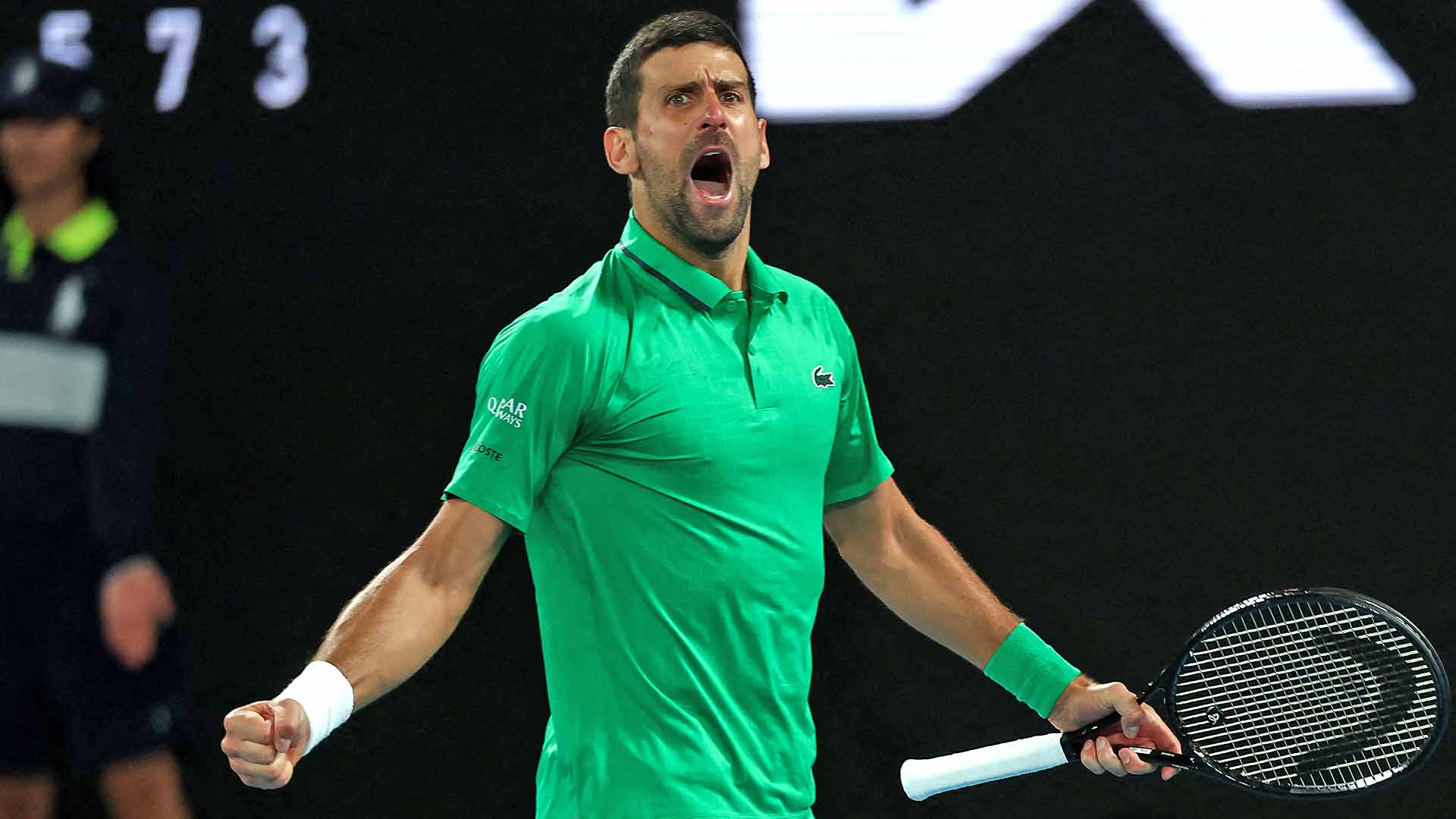
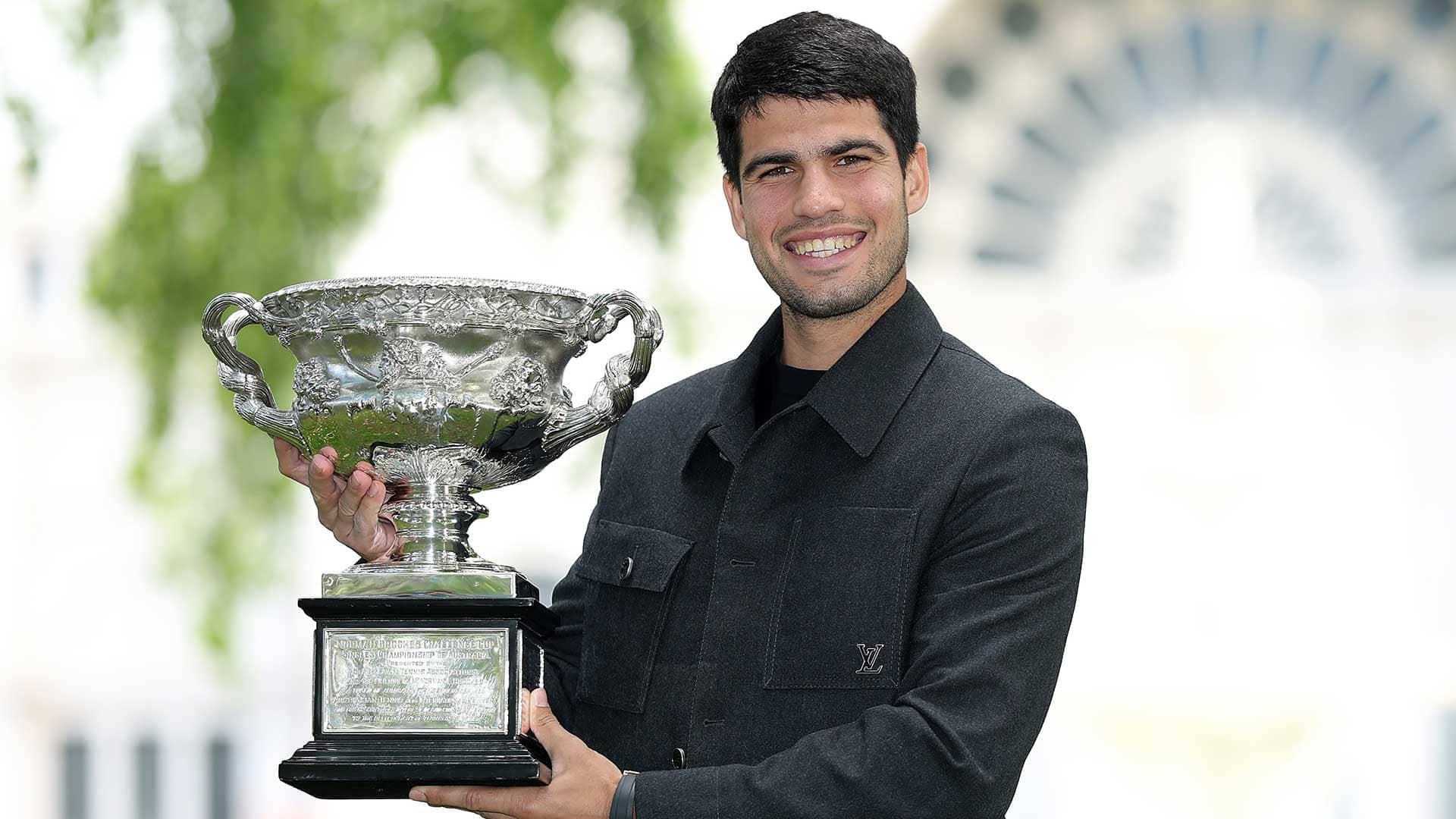
Cruz Hewitt steps into Melbourne’s qualifying spotlight

The Australian Open 2026 qualifying draw buzzes with legacy and comeback tales as Cruz Hewitt, son of Lleyton, faces college standout Michael Zheng, while Kei Nishikori shakes off rust against Kimmer Coppejans from January 12 to 15.
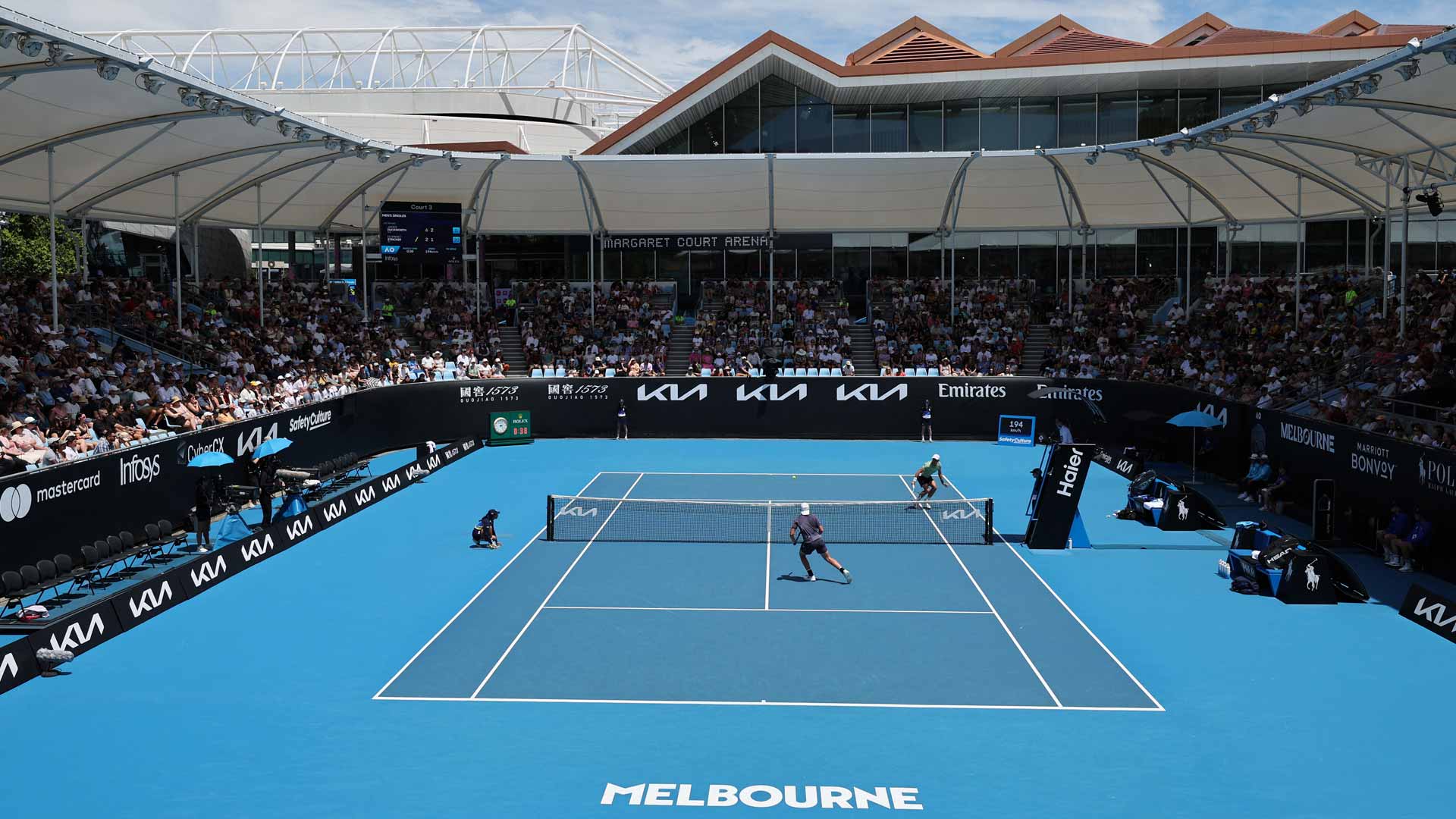
In the outer courts’ hum at Melbourne Park, the Australian Open 2026 qualifying draw launches the season’s first major with narratives of young promise and veteran grit. Cruz Hewitt, the 17-year-old Australian wild card and son of former World No. 1 Lleyton Hewitt, carries family echoes into his debut against two-time reigning NCAA singles champion Michael Zheng. Nishikori, a four-time quarterfinalist, marks just his fourth outing in eight months opposite Belgian Kimmer Coppejans, each point a bid to reclaim rhythm on these hard courts.
Legacy meets college precision
Cruz Hewitt’s aggressive forehands and swift footwork clash with Zheng’s baseline steadiness, where the teenager must mix inside-out shots to evade deep positioning. The plexicushion surface quickens the ball, favoring Hewitt’s penetrating groundstrokes if he targets the body on serves to blunt Zheng’s returns. Local cheers swell as Hewitt channels inherited fire, turning early nerves into controlled rallies that build toward a main-draw breakthrough.
This matchup tests more than strokes; it’s a mental forge where wild-card freedom allows bold one–two patterns, serve into forehand, to seize breaks. Zheng’s recent travels might yield openings, yet his consistency demands Hewitt sustain variety, perhaps dipping into slice backhands to disrupt tempo. As the sun beats down, Hewitt’s poise could echo his father’s Davis Cup resolve, propelling him through the grind.
Veteran rebuilds on sparse court time
Kei Nishikori’s elegant backhand slices cut through Coppejans’ low underspin, but limited matches sharpen the focus on energy management across sets. The Japanese player’s 1–2 setups, serve followed by approach, aim to shorten points on a court that rewards precise footwork against the Belgian’s looping serves. Humid afternoons test Nishikori’s hip, pushing him to step inside the baseline for aggressive returns and convert breaks above his recent dips.
Coppejans varies with crosscourt redirects, forcing Nishikori to bend and reset, yet the veteran’s drop shots could draw errors forward. This encounter hints at broader recovery arcs, where tactical tweaks like deeper positioning counter the surface’s skid. Melbourne’s crowd senses the stakes, watching Nishikori rebuild momentum one efficient point at a time.
Young guns and resurgent serves chase spots
Alexander Blockx, seeded seventh after his 2025 Next Gen ATP Finals finalist run and Canberra Challenger title, deploys inside-in forehands to target his major main-draw debut. Joined by 2025 Jeddah standouts Rafael Jodar, Nicolai Budkov Kjaer, Martin Landaluce, Nishesh Basavareddy, Dino Prizmic, and Justin Engel, they blend defense with transitions suited to hard-court grip. Bernard Tomic, once No. 17 in the PIF ATP Rankings, seeks his first main draw since 2021, leaning on flat groundstrokes and net rushes to overcome inactivity.
These players navigate a field where serve holds dictate survival, with Blockx aiming for 80 percent efficiency to control best-of-three math. Tomic’s power disrupts if harnessed, mixing down-the-line winners with body serves amid youthful depth. From January 12 to 15, the qualifying draw‘s pressure cooker yields survivors, each victory a step into the main event’s glare, fueling a season of rising arcs.