Wawrinka’s Wild Card Fuels Farewell Charge

Stan Wawrinka’s main draw entry at the Australian Open sets the stage for a defiant 2026, blending United Cup fire with memories of his 2014 triumph as retirement nears.
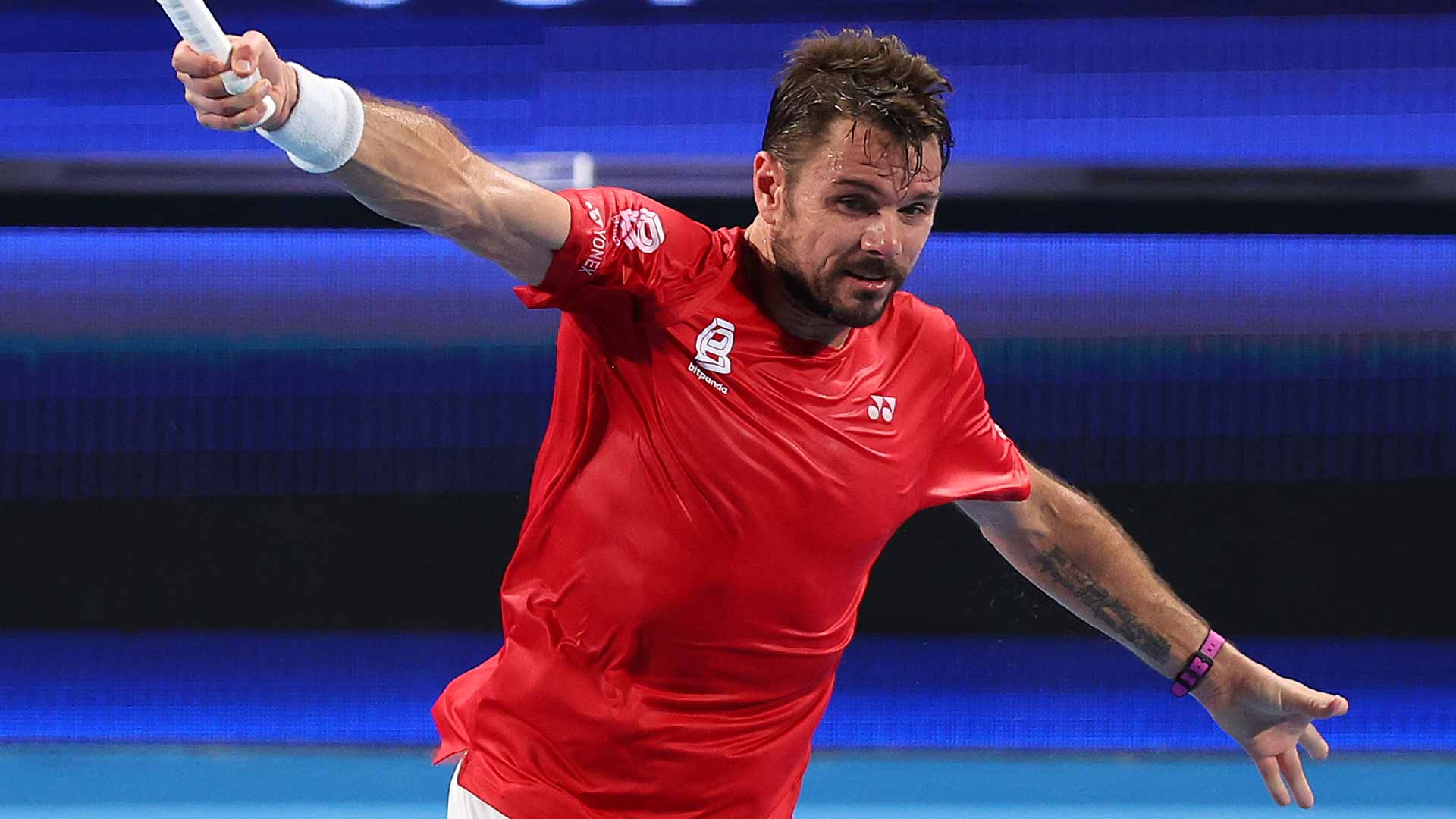
In the sweltering Perth heat, Stan Wawrinka’s one-handed backhand cuts through the tension like a declaration of intent. The wild card into the Australian Open pulls him back to Melbourne Park for his 20th singles appearance, a venue where he’s etched some of his deepest scars and sweetest victories. At 40, with the calendar marking his final ATP Tour season, this gift from tournament organisers arrives not as charity, but as a spark to ignite one last blaze.
Building United Cup momentum
Australian Open tournament organisers announced Friday that they have awarded Stan Wawrinka a main draw wild card into the season’s first major. The Swiss star has made a good start to his year, helping Switzerland to the semi-finals of the United Cup. His country will play Belgium Saturday for a spot in the final of the mixed-teams event, where Wawrinka’s crosscourt forehands have already forced rivals into uncomfortable stretches.
On these indoor hard courts, he’s mixed heavy topspin with sudden slice approaches, shortening points to disrupt baseline grinders. That rhythm—serve wide, follow with an inside-out backhand—builds a foundation for Melbourne’s outdoor slabs, where the bounce suits his flat drives. Ranked No. 156, he’s conserved energy in team play, eyeing how these tweaks might blunt the power of younger opponents down under.
Last year’s first-round loss in four tight sets to Lorenzo Sonego exposed cracks in his return game against flat hitters, but the United Cup run sharpens his focus. Wawrinka owns a 43-18 record at the Australian Openaccording to the ATP Win/Loss Index, a tally built on grit rather than gifts. With just one miss since 2006 and five quarterfinal pushes, he steps in knowing the courts reward his brand of controlled aggression.
Reviving 2014’s Melbourne magic
Flash to 2014, when Wawrinka stormed to his first major at Melbourne Park, beating Novak Djokovic and Rafael Nadal en route to the trophy. His 1–2 patterns dominated: a kick serve out wide setting up down-the-line forehands that Nadal chased in vain on the sun-baked surface. Those night sessions under the lights turned psychological pressure into fuel, his backhand slicing inside-in to wrong-foot the champions.
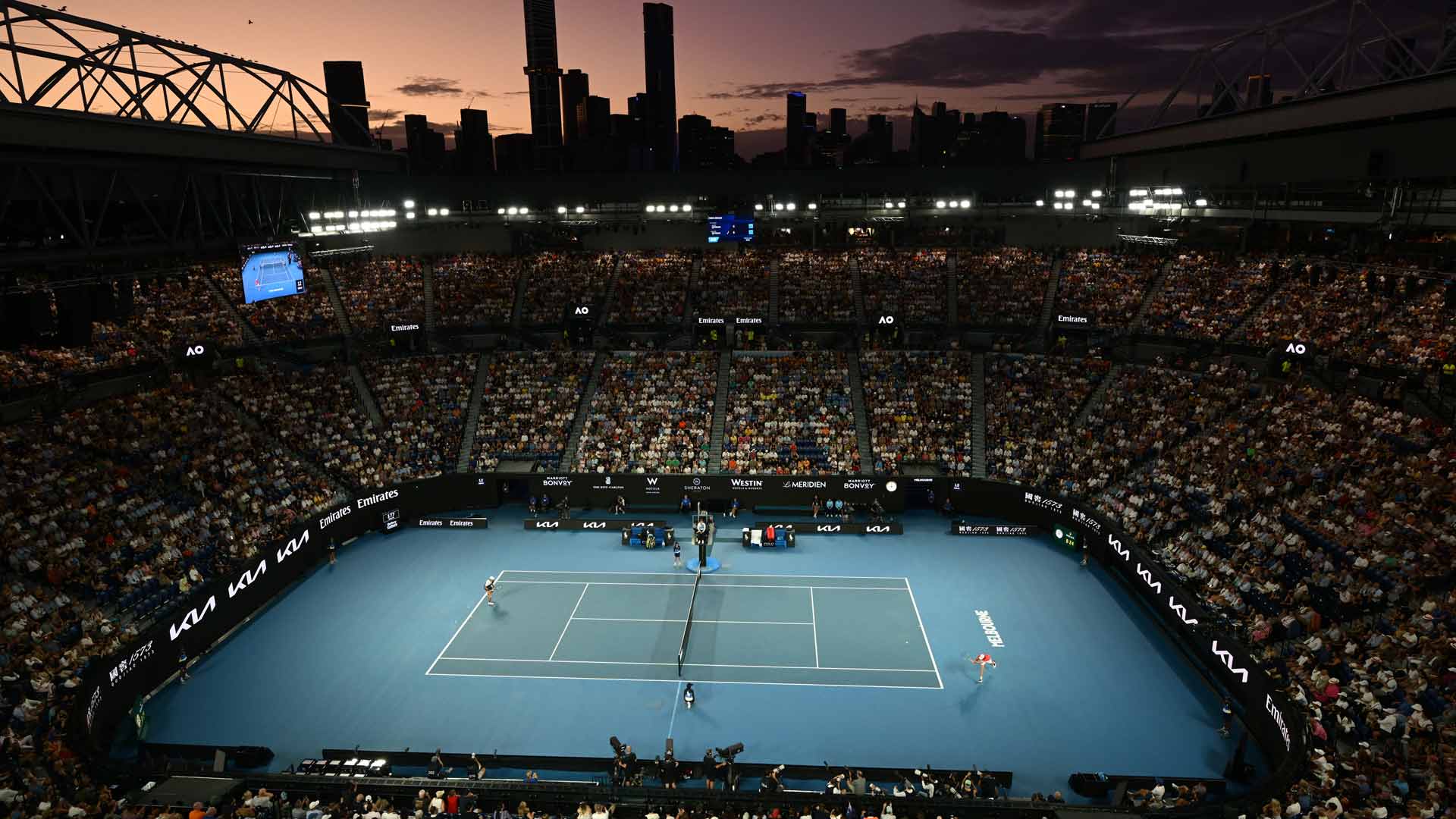
That run wasn’t mere luck; it was tactical precision, heavy topspin forcing errors from the baseline while his footwork held firm on the Plexicushion. Now, the 40-year-old recently announced that 2026 will be his last year competing on the ATP Tour, layering every rally with the weight of finality. Melbourne’s atmosphere, with its roaring crowds echoing off Rod Laver Arena, could amplify that edge, turning nostalgia into a weapon against the tour’s rising tide.
Read Feature: Why Wawrinka’s last dance will be more salsa than slow waltz
Sharpening tactics for the finale
As Switzerland battles for United Cup glory, Wawrinka mentors while honing his own game—deeper returns to neutralize big serves, underspin on seconds to vary pace. The wild card skips qualifiers’ wear, letting him plot early draws where crosscourt angles exploit ad-court weaknesses. Against power players, his plan leans on net rushes after short balls, flipping defense into sudden offense.
Hard courts demand quick adjustments: less slide, more punch, with one–two combos keeping rallies under control. The psychological lift from team success might steady him through tight sets, much like 2014’s charge silenced doubters. In this farewell, Melbourne becomes the proving ground, where Wawrinka channels early fire into a run that defies the rankings and rekindles his legacy.