Australian Open Boosts Prize Money to Record Heights

As Melbourne’s hard courts await the 2026 season, a surging prize pool eases the early grind for players, turning financial pressure into fuel for bolder swings and deeper runs.
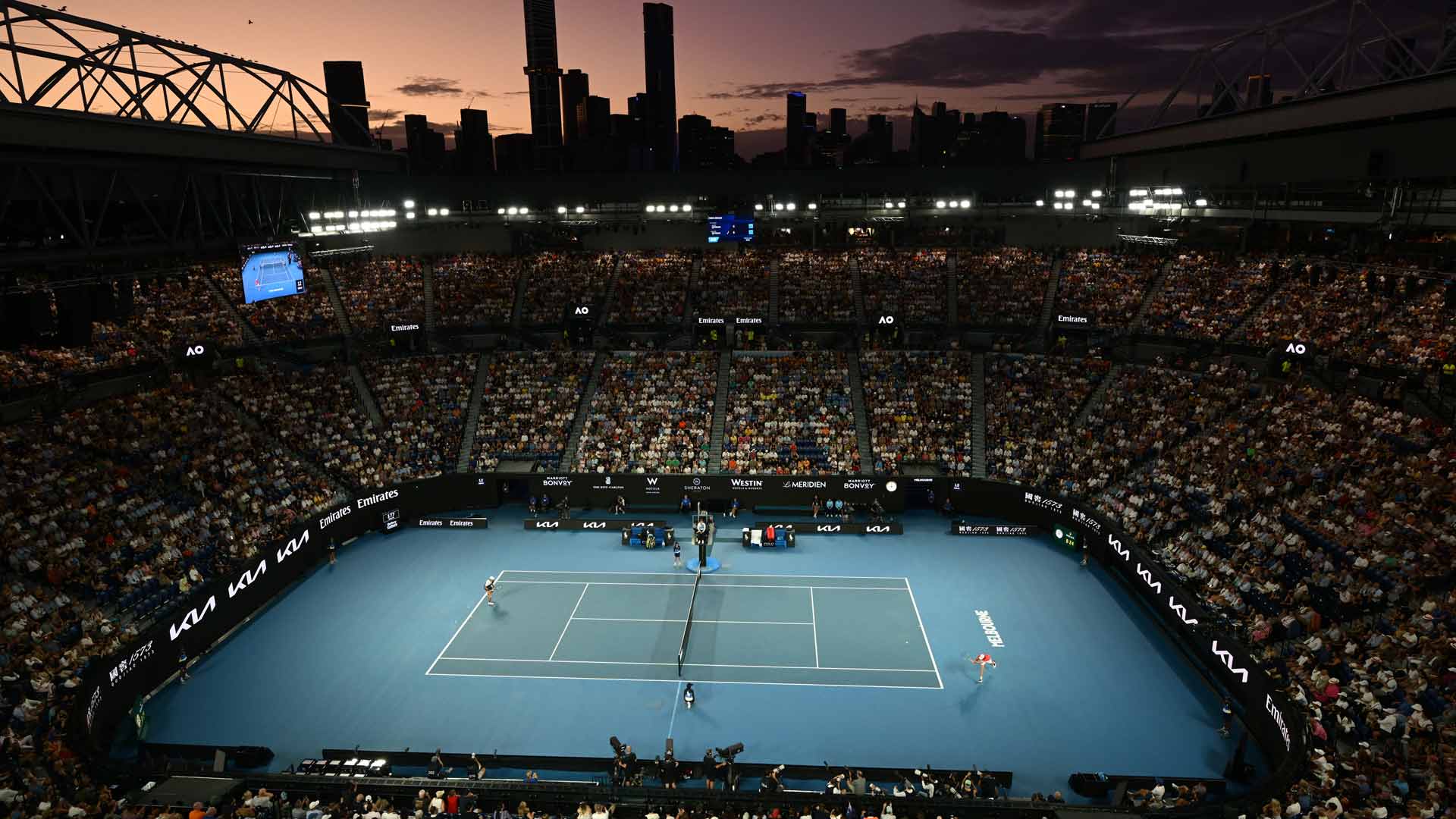
In the sweltering buildup to the Grand Slam calendar, the Australian Open tournament organisers announced a record AUD $111.5 million prize money pool Tuesday, the largest in event history. This 16 percent increase from the $96.5 million distributed in 2025 arrives as players shake off-season rust, offering a crucial buffer against the tour’s opening sprint. Every singles and doubles participant benefits from at least a 10 percent rise, reshaping the mental calculus before the first serves crack across Plexicushion surfaces.
Qualifying rounds see the same 16 percent uplift, building on a 55 percent surge since 2023 to reward the outer-court warriors who battle jet lag and isolation. These early grinders, often plotting aggressive 1–2 patterns just to secure a main-draw spot, now carry less dread of empty-handed returns. The adjustment softens the edge of elimination, letting underdogs chase crosscourt winners with eyes on sustainable careers rather than survival.
“This 16 per cent increase demonstrates our commitment to supporting tennis careers at every level,” Tennis Australia CEO Craig Tiley said. “From boosting qualifying prize money by 55 per cent since 2023 to enhancing player benefits, we’re ensuring professional tennis is sustainable for all competitors.”
Qualifiers seize early momentum
On Melbourne’s outer courts, where the sun beats down and crowds thin out, qualifiers pocket more to offset travel from distant time zones. This financial padding encourages riskier tactics—like low-skidding slices or inside-out forehands—without the immediate threat of season-derailing losses. As the hard-court swing ramps up from Brisbane qualifiers to the main draw, these boosts foster resilience, turning potential dropouts into threats who extend rallies with heavy topspin.
The structure cascades benefits: first-round qualifying exits now cover coaching and flights, freeing mid-tier players to prioritize down-the-line passes over conservative baselines. In a sport where early fatigue can fracture focus, this infusion levels the mental playing field, sparking upsets that ripple through the bracket. Players arrive in Melbourne not just chasing points, but armed with earnings that echo through the year’s marathon.
Champions chase amplified glory
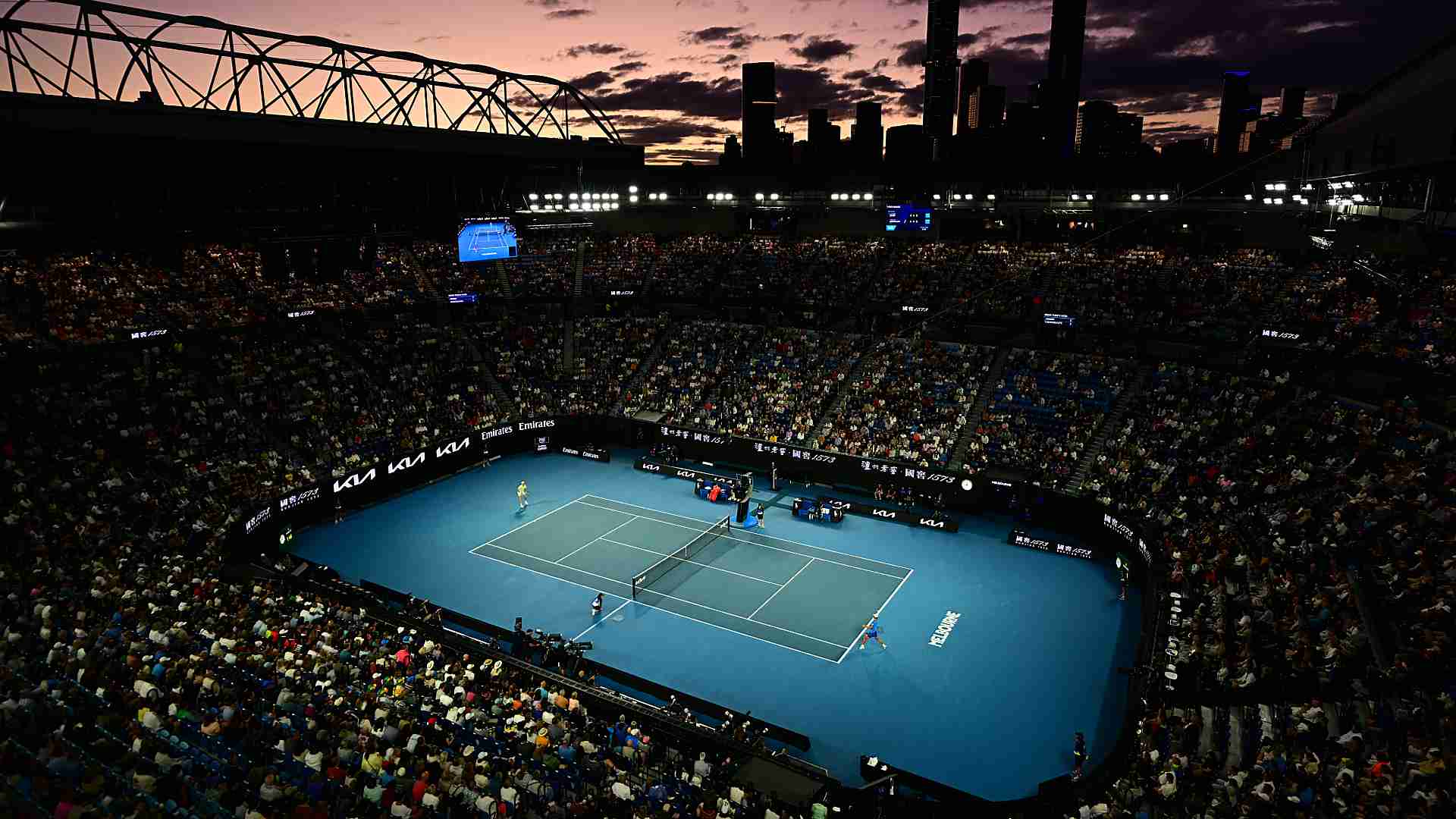
At the tournament’s peak, the singles champion pockets $4.15 million, a 19 percent leap that heightens the stakes under Rod Laver Arena’s glare. Runners-up claim $2.15 million, while each semi-finalist secures $1.25 million, figures that transform late-stage heartbreak into strategic capital for the clay courts ahead. Top seeds, burdened by No. 1 expectations, now weigh every hold more boldly, perhaps unleashing flat backhands or net rushes knowing the payoff matches the pressure.
These sums extend to doubles teams enduring partnership strains amid endless travel, reinforcing the event’s role as a season-setter. As competitors adapt to the surface’s quick bounce, the escalation invites tactical shifts—fewer safe moonballs, more precise inside-in strikes—that could redefine matchups. The Australian Open thus launches 2026 not as a gauntlet, but as a launchpad where rewards propel players toward sustained excellence.
Rewards sustain the season’s rhythm
Beyond Melbourne’s fortnight, this prize pool threads through the calendar, cushioning mid-season slumps when baseline exchanges blur into exhaustion. Fresh from serve tweaks or topspin refinements, athletes start the year with momentum that counters injury setbacks from Indian Wells to Wimbledon. The framework turns the tour’s psychological toll into shared progress, where every earned dollar fuels bolder one–two combinations on varying surfaces.
In a global sport demanding constant adaptation, these enhancements signal tennis’s evolution toward equity, from qualifiers’ grit to champions’ poise. As the draw unfolds, expect heightened intensity in every point, with players channeling the windfall into crosscourt precision rather than mere endurance. The Australian Open’s bold move promises a season alive with possibility, where financial security amplifies on-court fire.