Jakub Paul Emerges as Switzerland’s United Cup Surprise

Under Sydney’s glare, a doubles journeyman turns fatigue into fortune, partnering with a champion to chase a nation’s first title in the United Cup final.
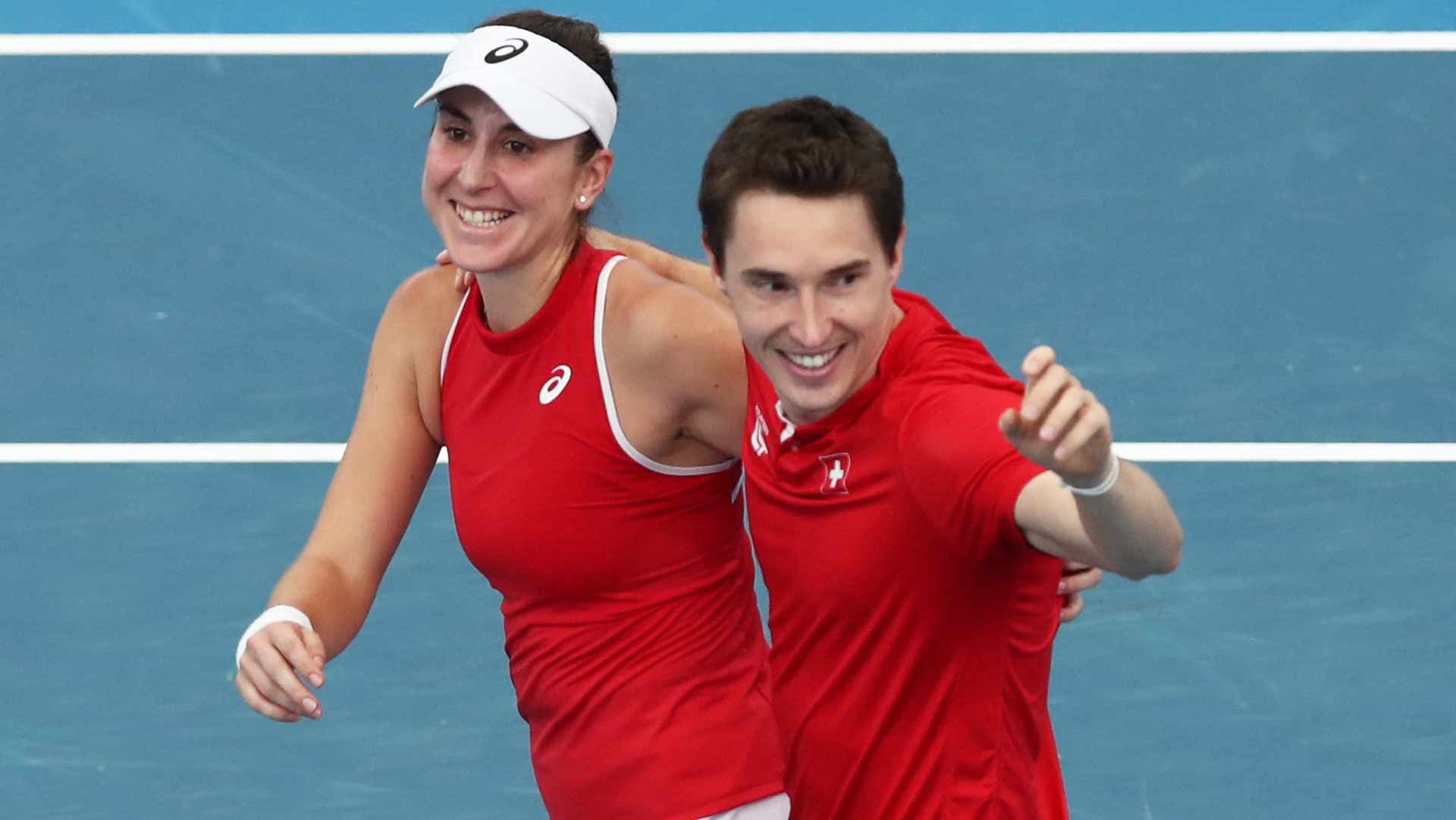
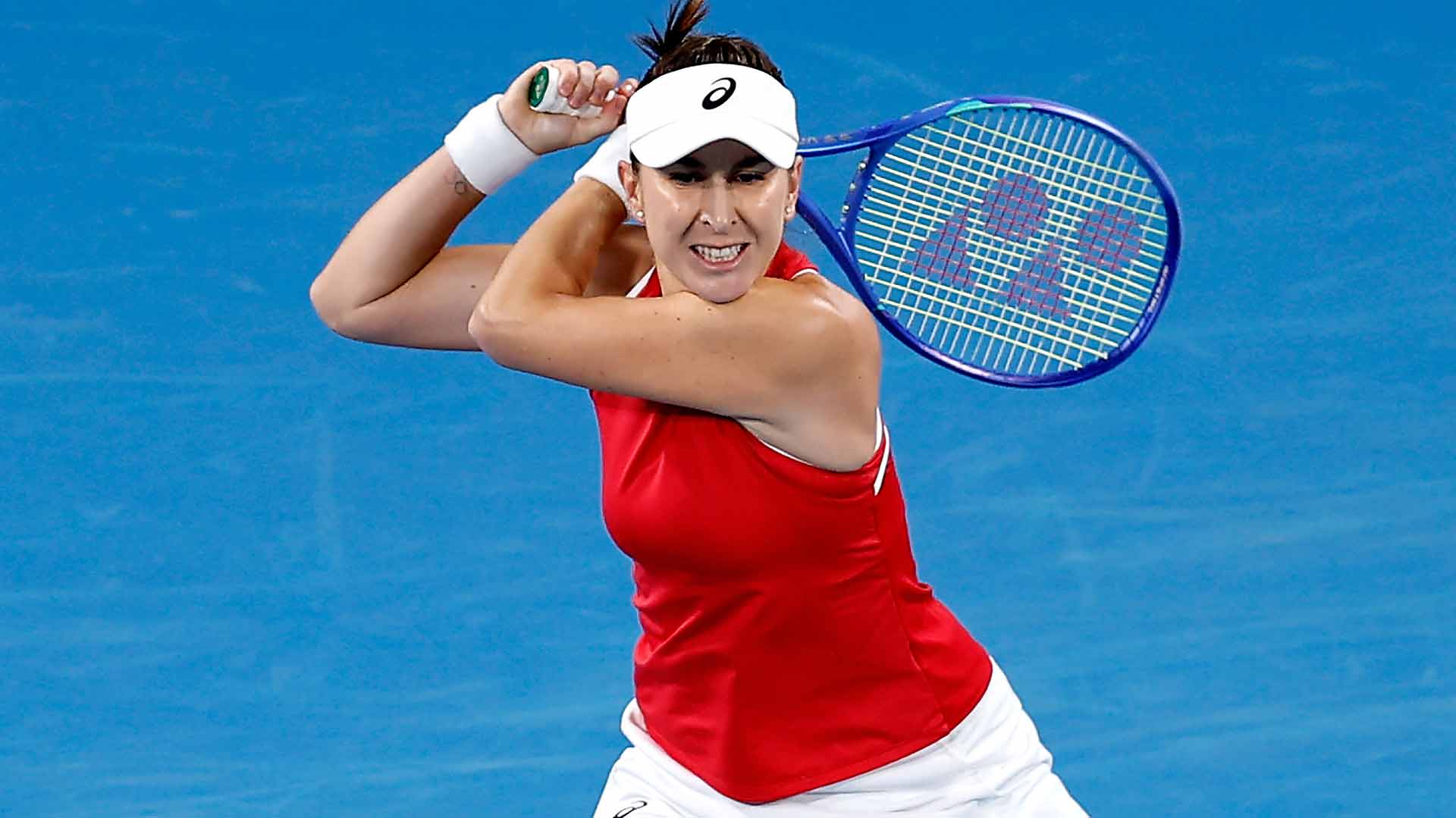
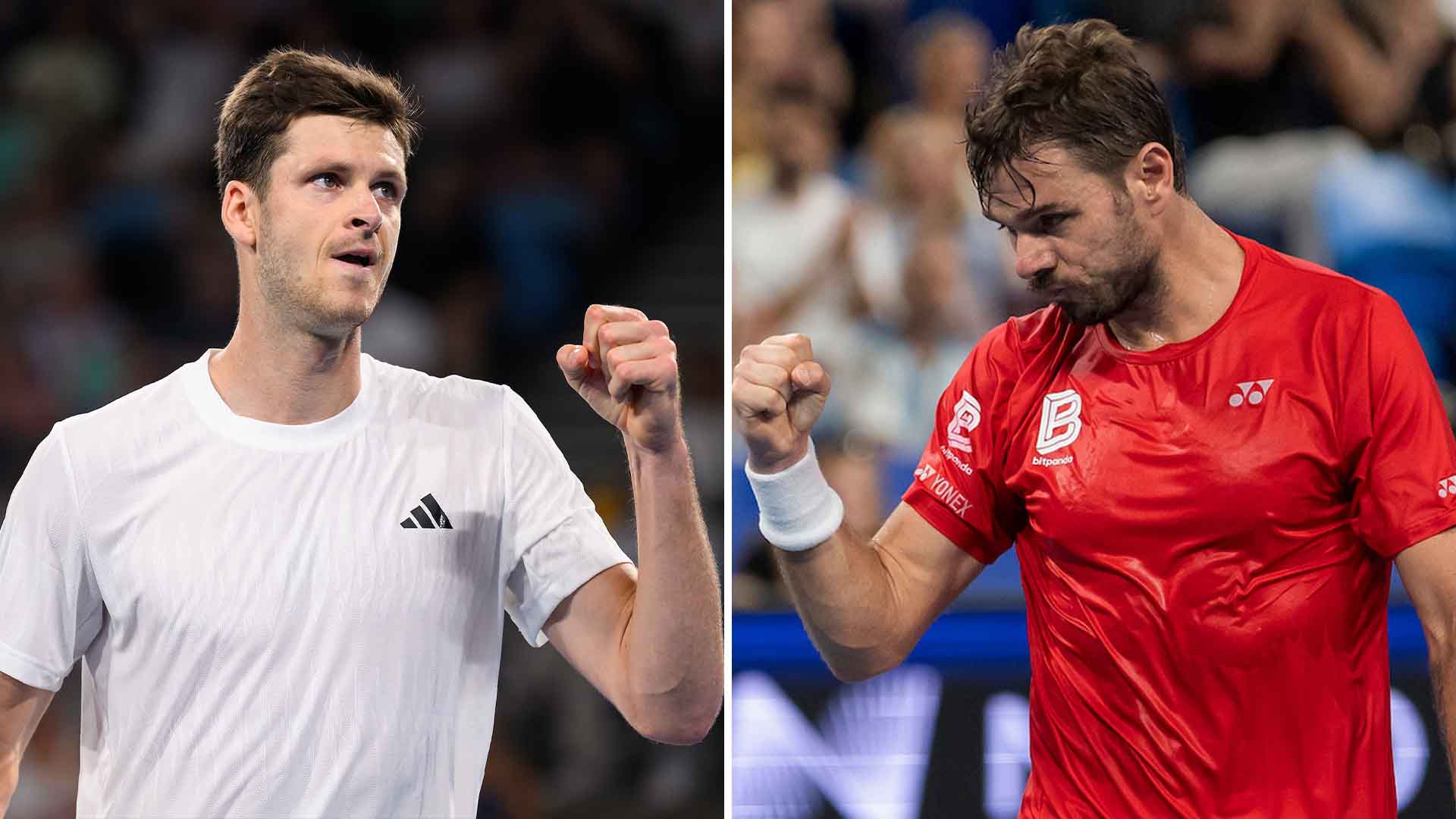
In the humid buzz of Sydney’s Ken Rosewall Arena, the United Cup 2026 unfolded with its usual blend of national pride and punishing schedules. Jakub Paul, the 26-year-old Swiss ranked No. 81 in doubles, arrived expecting a minor role at best. But when Stan Wawrinka’s two three-hour singles epics left him sidelined from mixed doubles, Paul stepped up alongside Belinda Bencic, delivering three deciding rubbers and four total wins to propel Switzerland into Sunday’s final.
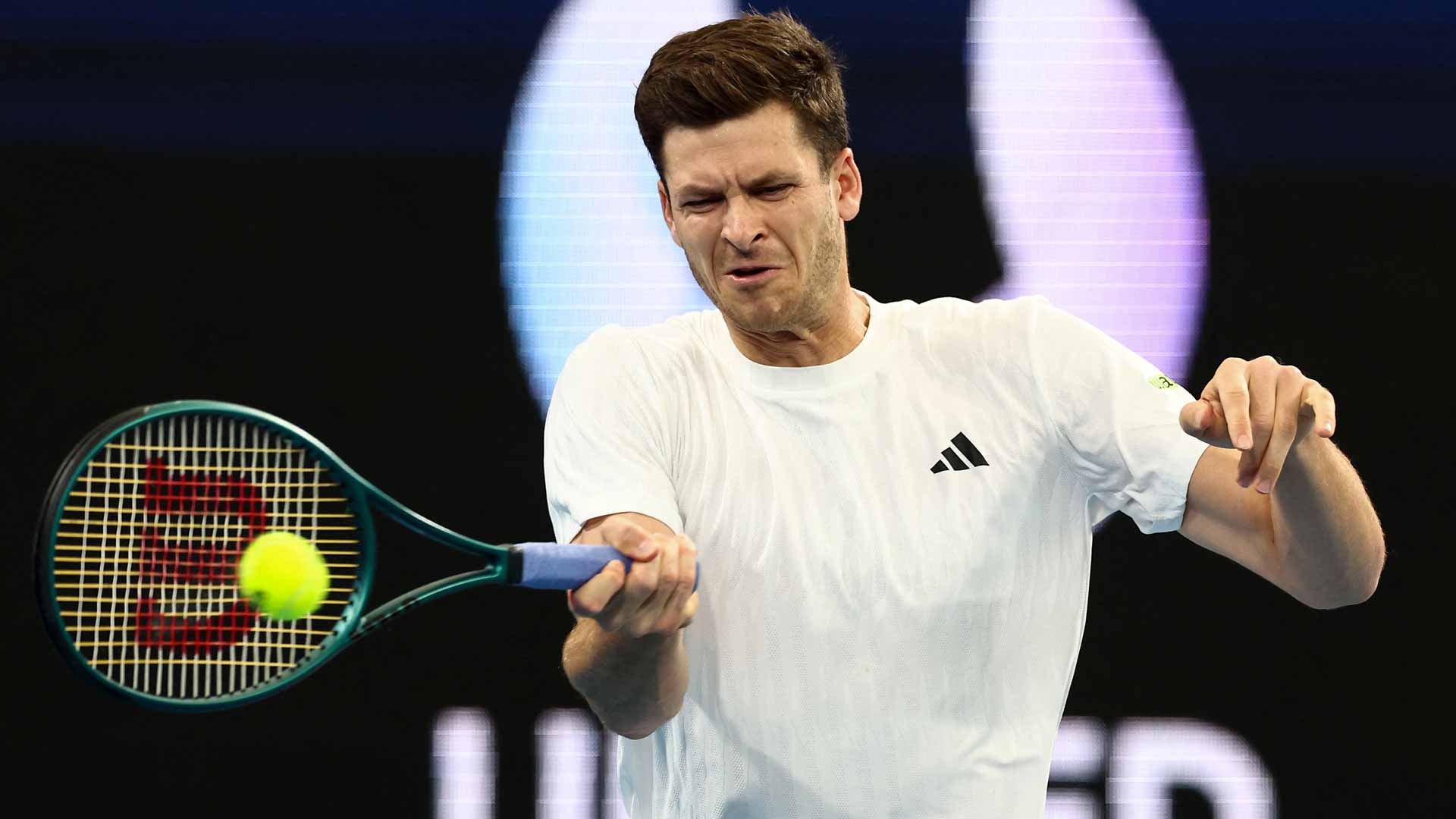
Paul’s net rushes and pinpoint volleys dismantled seeded pairs, including Grand Slam winners Edouard Roger-Vasselin and Andrea Vavassori. He poached aggressively, threading down-the-line passes that left opponents scrambling on the hard courts. The crowd’s chants swelled with each point, turning the underdog narrative into electric momentum.
“For me, it’s still surreal,” Paul told ATPTour.com after the semifinal triumph over Zizou Bergs and Elise Mertens. “I can’t really believe that we are in the final yet because I don’t think anyone expected this… But these are the moments I practise for. We knew mixed doubles was always going to be important and Stan gave me the chance to play. So I felt I had to really be ready, give my best. Of course, I never expected to win all those four matches. Now that we’re in the final, we want to give everything and let’s go for the title.”
Embracing the big-stage pressure
The weight of a deciding rubber in team competition can crush lesser players, yet Paul thrived amid the stakes. Facing pedigreed foes, he committed to bold poaches, slicing underspin returns to keep balls low and disrupt crosscourt rallies. Bencic’s steady baseline fire—her heavy topspin forehands pulling opponents wide—set up his inside-in approaches, creating a seamless one–two rhythm that overwhelmed the net.
This partnership demanded instant trust; a hesitated call could unravel a point on the skidding hard courts. Paul leaned into his doubles instincts, lunging forward on her signals without pause. The Sydney sun beat down, sweat mixing with the thrill as fans erupted for every volley winner.
“it’s just amazing to see him play and how brave he is,” Bencic said, her confidence fueling his aggression. He reciprocated the dynamic: “When Belinda tells me to go, I just go. That’s a bit the doubles player coming out in me. If you make a call, you have to stick to it because at the baseline she doesn’t know if I’m actually going to go or not. So it’s just better to go, and it’s been working out.”
Roots in the Swiss mountains
Paul’s story started simply in Chur, where he trailed his father and brother to the local club, racket in hand. Talent soon pulled him away at 13 to an academy in Kreuzlingen, three hours distant, despite his reluctance to leave home. Dorm life tested him, but he adapted, staying five years and building the resilience that now defines his game.
By 18, he relocated to Biel for the Swiss Federation’s training hub, refining shots on diverse surfaces. That year, his junior breakthrough—qualifying for the US Open boys’ draw and claiming two wins—drew a rare invitation. Roger Federer, spotting the potential, arranged a practice through Severin Lüthi, hosting him for an evening near the mountains.
“Roger actually saw that,” Paul recalled. “Once I got back home Severin Lüthi called me and said that Roger would like to practise because he had a house quite close to where I live in the mountains. He invited me for an evening and of course I went.” The session left an indelible mark, blending inspiration with the quiet drive that carried him to Sydney.
Weighing career crossroads ahead
At No. 341 in singles and a recent peak of 288, Paul grapples with diverging paths. Challengers tempt with ranking climbs, but doubles at No. 81 unlocks Slams and steadier pay. Combining events works for now, though clashes—like a Saturday doubles final bleeding into Sunday singles qualifiers elsewhere—strain recovery on the tour’s relentless circuit.
“It’s not an easy decision but at the moment I still want to push in singles,” he said. “I still feel I have potential and a couple of months ago I was at my highest rank of 288. On the other hand, doubles is going much better being Top 80 and I have the chance to play Slams, so it gets very interesting. I’m still playing Challengers where’s it’s possible to combine singles and doubles. If I play a doubles final on Saturday and then have to play singles qualies in a different city on Sunday, it’s difficult. For now I can still manage it, but in the end I have to pay my bills and if I can make more money in doubles, I might have to switch.”
For this final, though, his mind locks on mixed doubles with Bencic, where tactical tweaks—like preempting opponents’ 1–2 patterns with slice serves—could etch his name in Swiss tennis lore. The arena’s anticipation builds, a humid pulse mirroring his steady heartbeat, as Paul eyes not just victory but a pivot in his unfolding career.