Rafael Jodar’s steady climb at the Australian Open

The 19-year-old Spaniard turns a five-set scare into momentum, channeling UVA lessons and family grit to eye an upset over Jakub Mensik in Melbourne.
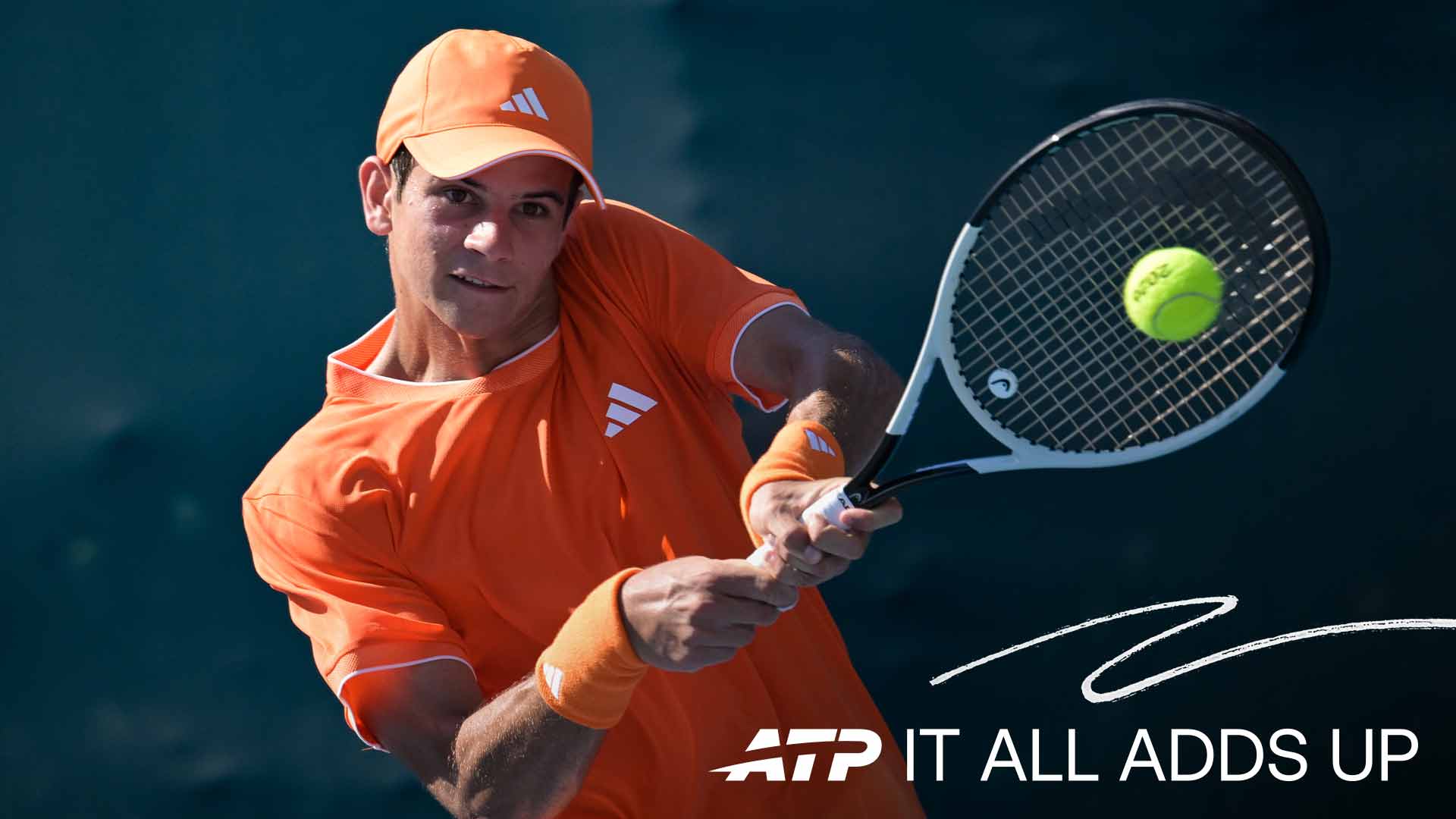
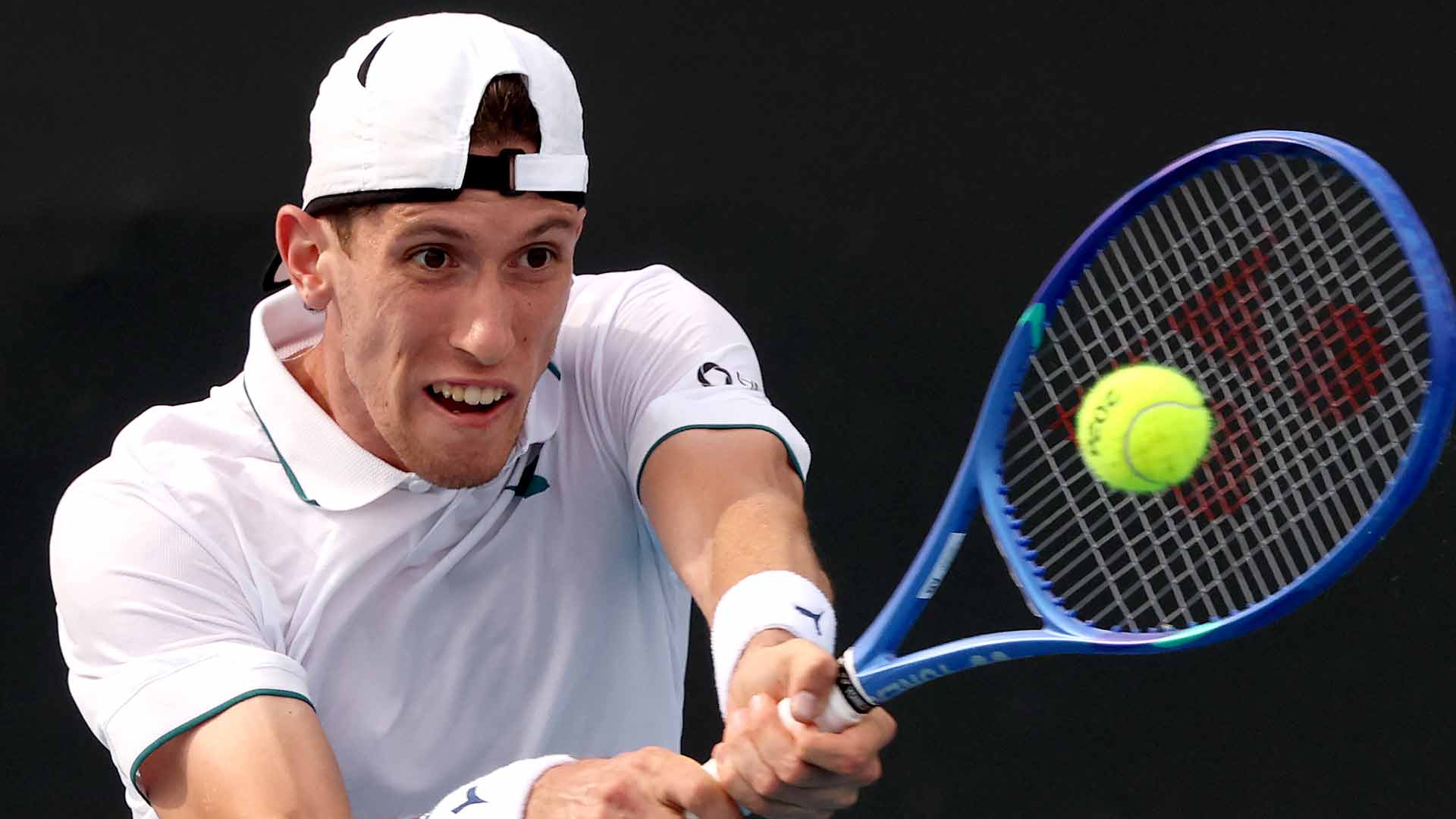
On Melbourne Park’s sun-drenched hard courts, Rafael Jodar faced the kind of unraveling that tests new blood. The 19-year-old Spaniard, qualifying for his first Grand Slam main draw, surrendered a two-set lead to Rei Sakamoto in the opener. But with the crowd’s hum building tension, he steadied his heavy topspin forehand, mixing crosscourt loops to reclaim the decider in a gritty 6-3, 4-6, 6-3, 6-4, 6-2 win that thrust him into the second round.
Last July’s Wimbledon final loss lingered in Carlos Alcaraz’s words, a reflection that rippled far beyond London. The Spaniard spoke of embracing setbacks with pride, a clip Andres Pedroso, University of Virginia’s head coach, forwarded to his squad—including Jodar, the highly touted recruit fresh from a US Open boys’ singles crown.
“In the last year I’ve been through different situations that I learned from,” Alcaraz said. “Right now I’m in a position that I’ve spoken a few times already that, okay, I just accept everything that is coming to me in the way it comes. Like, okay, I just lost a final in a Grand Slam, but I’m just really proud about being in a final.”
Acceptance anchors his early pro tests
Pedroso’s program at Virginia revolves around that acceptance, urging players to own their styles, flaws included, amid match chaos. Jodar absorbed it during his lone college year, where hard-court rallies demanded quicker feet than his Madrid clay roots. Against Sakamoto, as the Japanese qualifier’s flat backhand fired back, Jodar shortened his swings, using underspin slices to disrupt rhythm and stay present for the next point.
“We believe the best players in the world accept who they are, accept their game styles, they accept their strengths and their weaknesses—especially their weaknesses—and they accept all the circumstances that happen in a match,” Pedroso said. “When you do a really good job of accepting what happens and who you are, you’re going to do the best job of being totally present for the next point.”
This mindset powered Jodar’s comeback, his inside-out forehands from the ad side opening angles that forced errors in the fifth. The Plexicushion surface amplified his spin, dipping shots low to pin Sakamoto deep, turning a potential exit into a statement of resolve. Off the court, assistant coach Brian Rasmussen, traveling with him in Australia, sees that poise extending to four-hour grinds.
Virginia forged his rapid adaptation
Jodar’s path to UVA came loaded with expectations after dominating juniors, but college tennis hit like a new language—raucous crowds, team stakes, English lectures for an only child from Spain. His debut against Connor Thomson of South Carolina, an ATP Next Gen Accelerator qualifier, brought yelling fans and inside-in pressure that left him reeling. Yet even in loss, he lit up for the team’s victory, a sign of the maturity that defines him.
“College tennis is a completely different sport with all the yelling and screaming and it’s just a very hectic environment and Rafa was just a fish out of water,” Pedroso recalled. “He looked at me a couple times during the match and said, ‘Coach, where am I? This is a different sport’. The best part about him is he ended up losing the match, but we ended up winning and he was so genuinely happy for the team.”
Acclimatization came fast; cramps and an ankle issue aside, he toppled the nation’s top college player, his 1–2 serve-forehand pattern carving breaks on fast indoor hard. Turning pro after that season, Jodar carried those lessons to the 2025 Next Gen ATP Finals, sharing courts with Rafael Nadal and Martin Landaluce, where tactical shifts against varied spins sharpened his baseline command. In Melbourne, that experience echoed as he varied depths against Sakamoto—deep crosscourts followed by short slices—to draw the net and finish with down-the-line passes.
Family roots fuel mental endurance
Back in Madrid, Jodar’s father built humility into every triumph, sending him to rally with club youngsters post-victory, feeding balls and fostering joy over accolades. This grounding shielded him through Virginia’s culture shock and into pro circuits, where small details compound over 24-hour days. Rasmussen stresses how Jodar checks boxes academically, socially, and on court, forging confidence for marathons like his five-setter.
“If we just stay in there and do the right things mentally each and every point, their level is eventually come back down and ours is eventually going to raise,” Rasmussen said. “I think what makes Rafa so special is he knows he can do that over the course of four, five hours because he’s proven that to himself time and time again, whether it was back in Madrid with his dad or in his 12 months at UVA.”
“He’s the most mature 19-year-old you’re going to meet out there. He really knows what he wants and that’s the way he was raised,” Pedroso added. “Just a very simple life, working hard, treating people right, doing the right thing and just an all-around good human being, but totally focused on what he wants to do and his dream is to become a world-class pro.”
Jodar’s 2026 launch has been blistering: 10 wins in 11 matches, a Challenger final in Canberra where aggressive returns targeted second serves, and now No. 134 in the PIF ATP Live Rankings—up from barely inside the top 900 a year prior. Against Sakamoto, he converted 7 of 14 break points, often via wide serves into one–two combos that wrong-footed his foe. The heat-slowed recovery between points tested stamina, but his looped forehands kept pressure on, reclaiming control after the third set swing.
“I just try to give my best, try to give the best level I have that day and as Coach Pedroso would say, I just try to accept all things that come,” Jodar told ATPTour.com post-match. “There are things that you cannot control, but if you have the best mental toughness that day, you can give yourself a chance to win that day.”
Thursday’s second-round clash with 16th seed Jakub Mensik looms, the Czech’s ace-heavy serve demanding deep chip returns and low slices to neutralize power. Jodar’s 6-foot-2 frame and solid delivery will counter with high-kick serves to the body, mixing in backhand down-the-lines to avoid baseline traps. A win here nets 45 points, projecting him inside the top 110 and seeding future Challengers, his tactical nous—honed in Madrid drills and UVA intensity—positioning him to extend this surge.
In a tour of young phenoms navigating Slam weights, Jodar’s arc stands out for its quiet depth, accepting slips to fuel ascent. His Australian Open survival wasn’t mere luck; it was the product of embraced weaknesses turning into weapons. As Melbourne’s stages deepen, this Spaniard’s resolve promises to reshape Next Gen narratives, one accepted point at a time.
“I just want to enjoy every time that I’m playing tennis,” Jodar said. “That’s the first goal when I step on a court. It hasn’t changed at all. I just have to keep going and start the season the best way possible.”