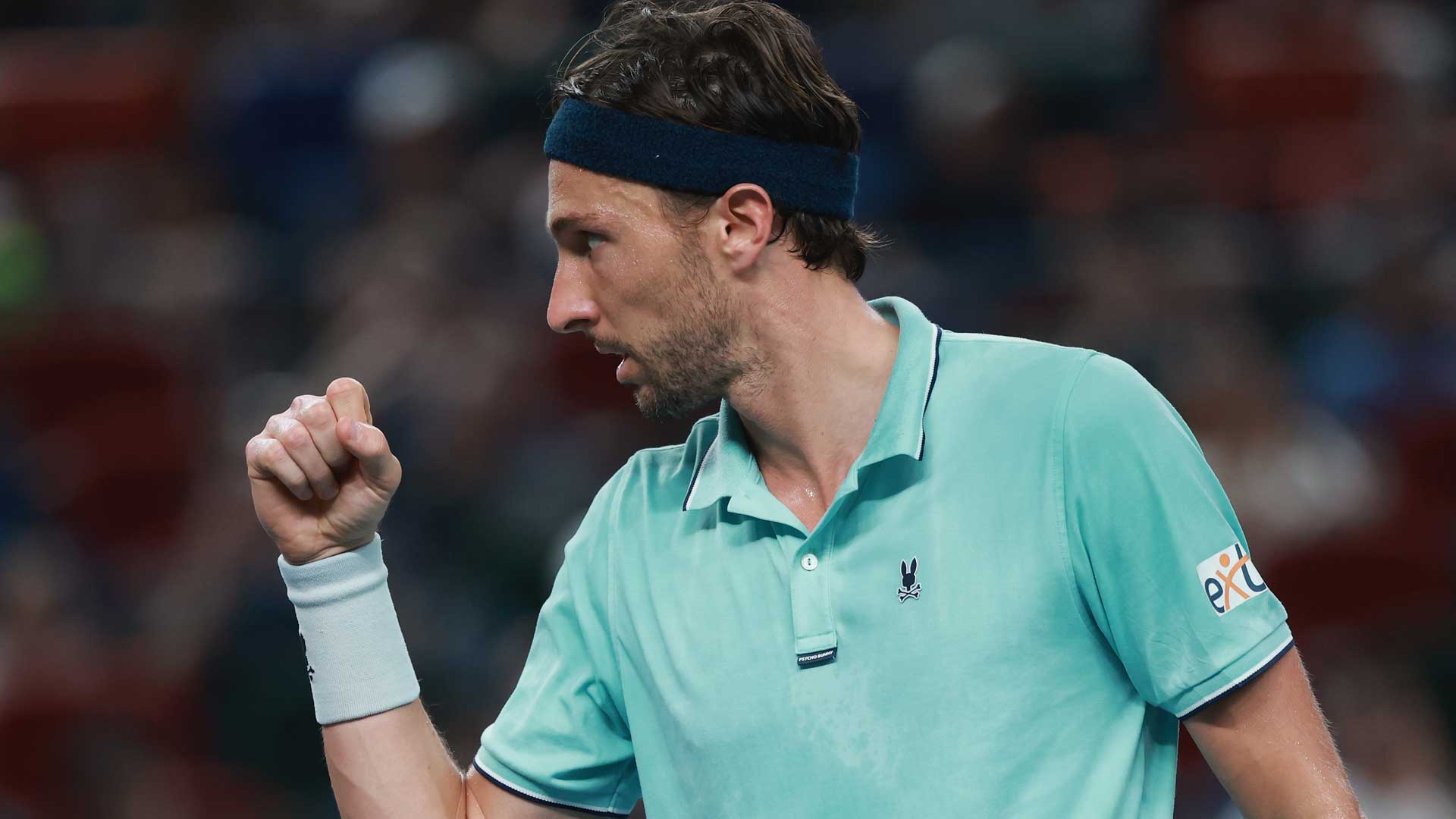
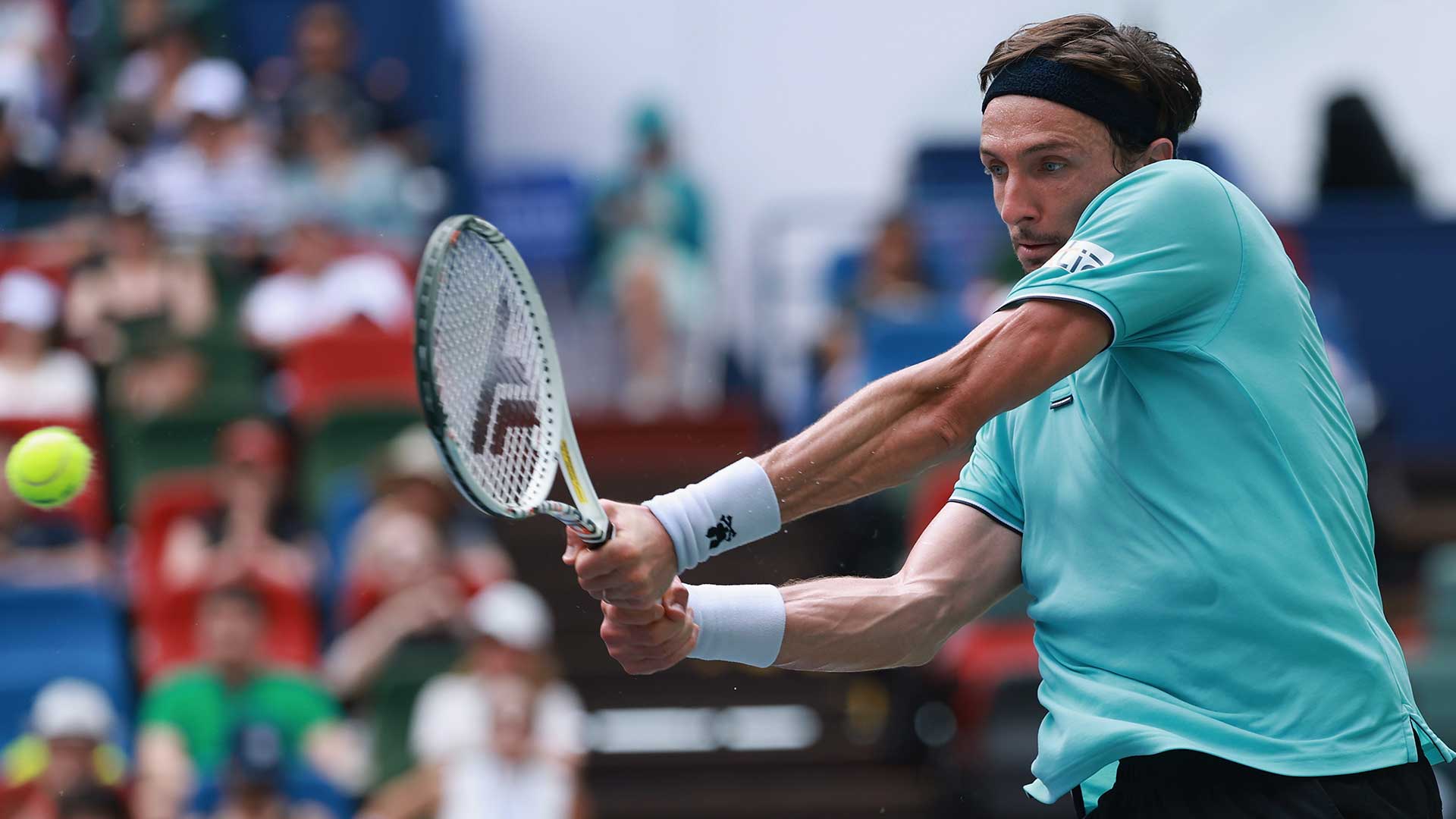
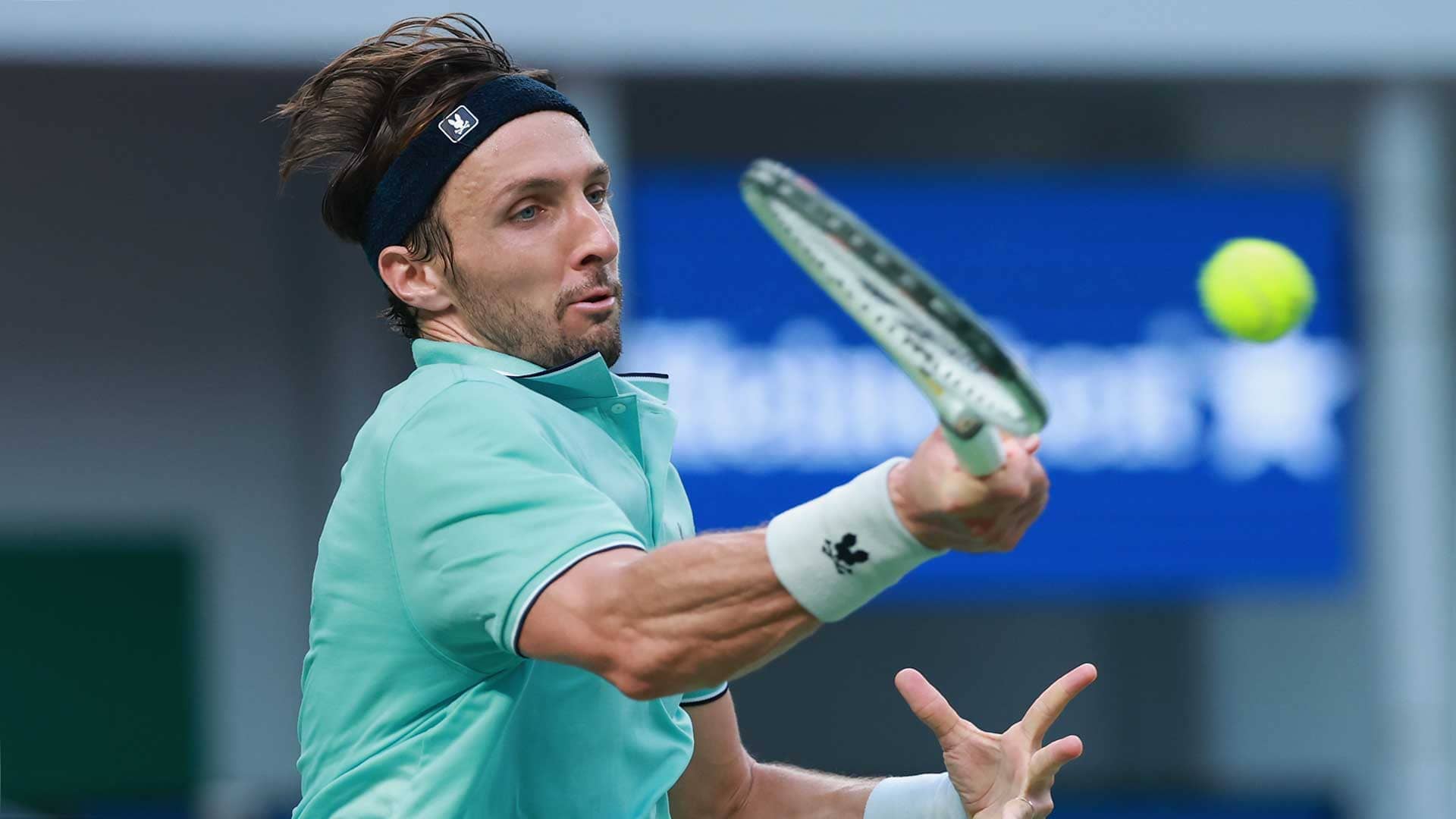
Rinderknech channels Wimbledon grit to upset Zverev again

In Shanghai’s humid evening glow, Arthur Rinderknech turns the tide on Alexander Zverev once more, his net-rushing aggression exposing the world No. 3’s deepening fatigue in a comeback that echoes their Wimbledon clash.
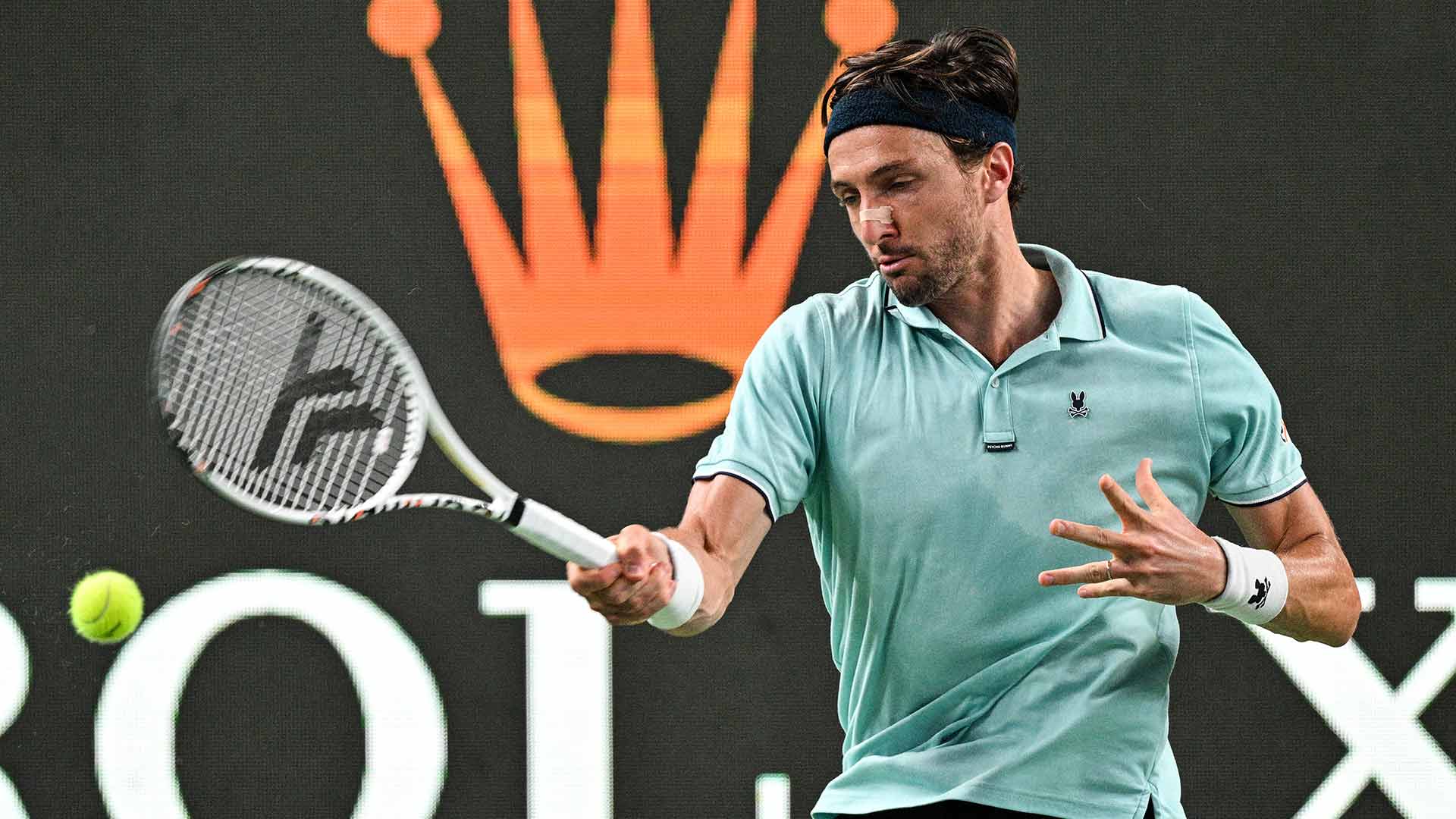
Under the arc lights of the Shanghai Masters, Arthur Rinderknech summoned the bold resolve that toppled Alexander Zverev at Wimbledon earlier this year, rallying from a set down to secure a 4-6, 6-3, 6-2 victory on Monday. The 30-year-old Frenchman, now with a career-high 23 wins in 2025, pressed forward relentlessly in the later sets, claiming 24 of 29 points at net while Zverev hunched between rallies, his steady baseline game unraveling under the physical toll. This second straight triumph over the world No. 3 not only boosts Rinderknech’s 3-18 record against Top 10 opponents but marks his third fourth-round appearance at an ATP Masters 1000 event, following runs in Toronto and Paris last season.
Rekindling bold net assaults
Rinderknech’s approach echoed the five-set epic on Wimbledon’s grass, where he first dismantled Zverev with a mix of power and precision, but here on the grippy hard courts, he adapted swiftly after dropping the opener to the German’s probing crosscourt returns. By the second set, the Frenchman sliced inside-out forehands to stretch angles, then charged the net on short balls, finishing with crisp volleys that drew cheers from the capacity crowd as Zverev scrambled with defensive lobs. His one–two patterns—kick serves to the deuce side followed by down-the-line passes—disrupted the 28-year-old’s rhythm, conserving energy while forcing errors from a visibly labored opponent who bent low, wiping sweat in the humid air.
Fresher legs carried Rinderknech through the decider, where underspin slices kept Zverev pinned back, setting up aggressive inside-in forehands that pierced the lines. The tactical shift from Wimbledon‘s slower surface to Shanghai’s quicker pace amplified his all-court threat, turning potential vulnerabilities into decisive edges as the match tempo quickened under the lights.
“This is huge,” Rinderknech said. “I had my first Top 5 win at a Grand Slam at Wimbledon against Sascha and it happens again. I guess I am a bit lucky against him and able to play my best tennis. I need to play my best tennis to beat a guy like Sascha, at No. 3 for many years, such a steady player and a very good player. I am very happy.”
Zverev’s strain widens the field
With Jannik Sinner‘s Sunday retirement due to cramp leaving Zverev as the draw’s highest-ranked player, the German entered carrying the weight of a grueling season, yet this upset highlights the mounting pressure in his chase for year-end glory. He departs fourth in the PIF ATP Live Race To Turin, holding a 1,475-point lead over 10th-placed Felix Auger-Aliassime, the first outsider to the Top 8 cutoff now that ninth-placed Jack Draper sits sidelined for the rest of the year. As a two-time Nitto ATP Finals champion, Zverev’s baseline metronomy has defined his campaign, but the visible fatigue—pauses between points, climbing unforced errors—signals how high-stakes demands can erode even the most consistent games.
Rinderknech, surging five spots to No. 49 in the PIF ATP Live Rankings, now faces Jiri Lehecka, who dispatched Denis Shapovalov 6-4, 6-4 and has reached the last 16 at six of nine Masters 1000 events this year. The Czech’s flat baseline strikes will test the Frenchman’s net rushes, but Rinderknech’s mental lift from repeating against Zverev could spark a deeper run, especially with his improved stamina on these courts.
Emerging runs fuel Shanghai’s fire
Amid the top seeds’ stumbles, #NextGenATP American Learner Tien sustained his momentum, outlasting Cameron Norrie 7-6(4), 6-3 to notch his seventh win in eight matches, building on a maiden ATP Tour final in Beijing last week. The left-hander’s topspin forehands and timely drop shots kept the Briton guessing on the hard courts, propelling Tien to a career-high No. 36 as he eyes a next-round clash with Daniil Medvedev or Alejandro Davidovich Fokina, both defensive specialists who thrive in extended rallies. His surge mirrors Rinderknech’s resilience, injecting youthful energy into a tournament where upsets and withdrawals have leveled the path, setting up clashes that reward adaptability over raw power.
As Shanghai progresses, these tales of tactical evolution and recovered poise underscore how mental edges often decide deep-stage battles, with Rinderknech and Tien poised to exploit the opened draw in pursuit of breakthroughs under the relentless lights.