John Beddington’s Quiet Command Shaped Tennis’s Grand Stages

In the shadow of roaring crowds and high-stakes rallies, John Beddington built the tournaments that tested players’ mental edges and tactical depths, his steady hand turning chaos into legacy across five decades of the sport’s evolution.
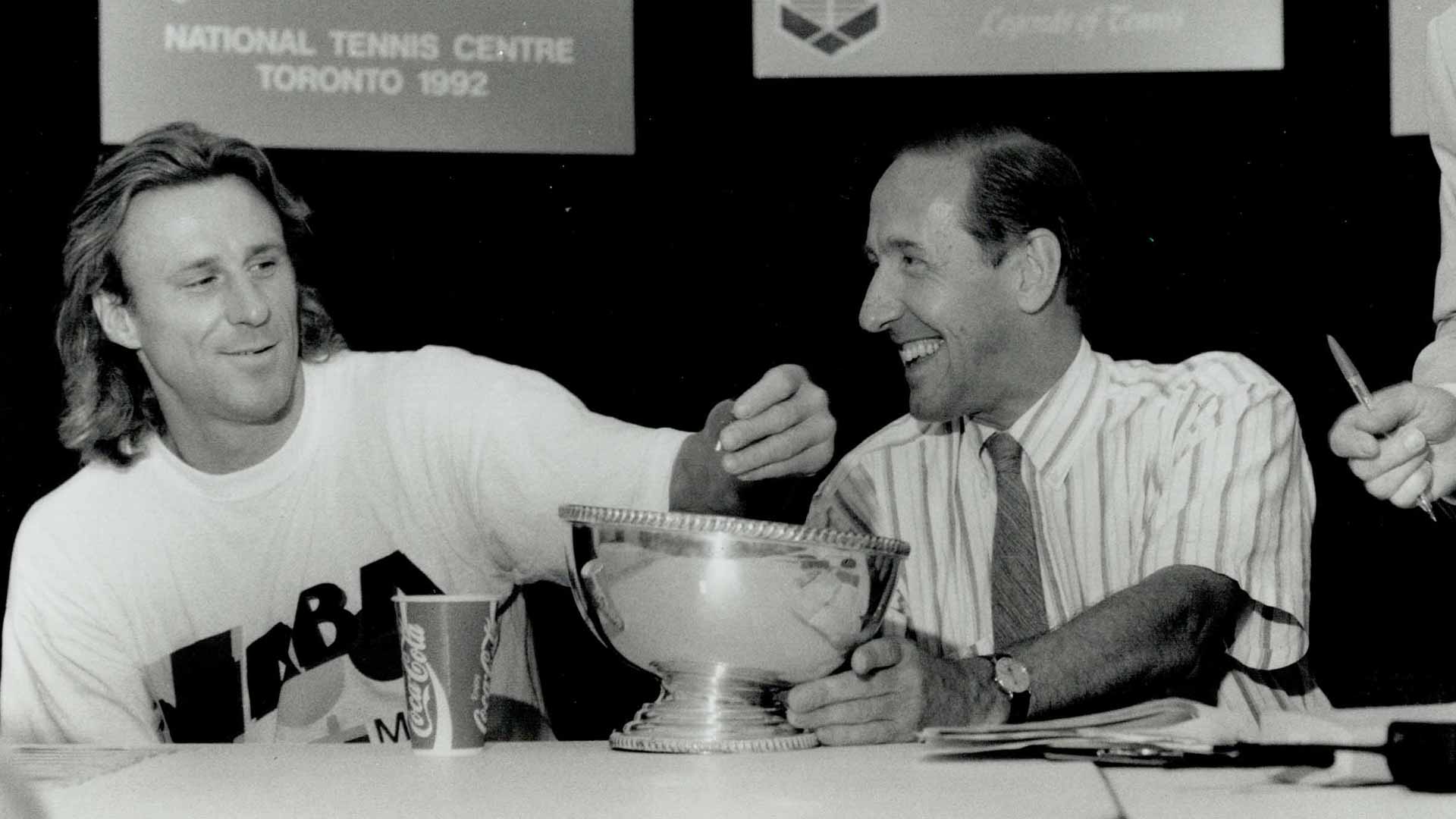
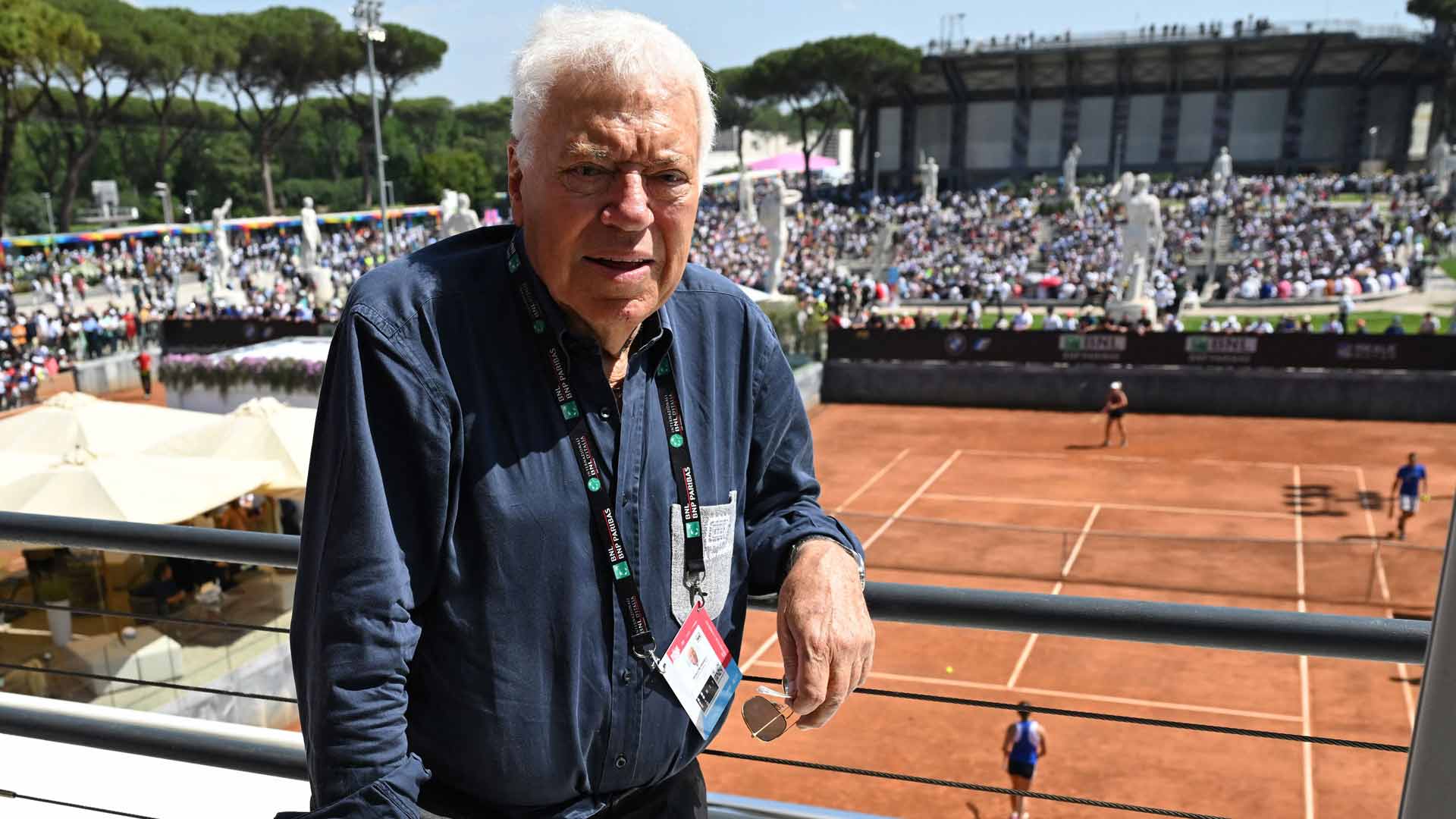
John Beddington, the longtime tennis administrator who was one of the first tournament directors of the event that is now called the Nitto ATP Finals, passed away last week at age 83. His career spanned more than five decades, a relentless pursuit that wove through the psychological undercurrents of elite competition, from the Open Era’s raw breakthroughs to the polished tension of modern Masters events. Beddington’s influence touched the world’s top players, their inside-out forehands slicing through pressure-packed points, while also extending to children discovering the game’s rhythms on local courts, his efforts leaving tennis richer and more accessible.
Steering early masters through open-era turbulence
Beddington took the reins as tournament director for the Commercial Union Grand Prix Masters from 1972 through 1976, navigating the sport’s post-1968 upheaval where players adapted to professional circuits blending grass’s quick bounces with emerging hard-court speeds. His oversight crafted year-end showcases that demanded mental resilience, as battle-weary competitors arrived ready to unleash crosscourt winners or down-the-line passes to cap grueling seasons. The atmosphere hummed with the uncertainty of sponsorship shifts and player demands, yet Beddington’s preparations ensured focus stayed on the court, where a well-timed slice backhand could disrupt an opponent’s aggressive setup.
Later, he secured Barclays as title sponsor when the event moved to The O2 in London, transforming the indoor arena into a cauldron of intensity under spotlights that amplified every one–two serve-return exchange. Crowds fed off the electric tension, their cheers echoing the psychological release of points won through tactical adjustments, like varying spin to counter flat groundstrokes. Beddington’s vision turned logistical hurdles into seamless spectacles, allowing stars to channel the season’s accumulated fatigue into defining performances.
“I got to know John through the Canadian Open. We stayed in touch over the years,” Ivan Lendl said. “John was a great guy, I always enjoyed seeing him at the All England Lawn Tennis Club. John did a fantastic job in Toronto and Montreal. I appreciated his wicked sense of humor and was very sad to hear about John’s passing.”
Elevating Canadian opens amid tour pressures
Three years after the London relocation, Beddington became Executive Vice President of Tennis Canada, holding the position until 1995, and directed what is now the National Bank Open Presented by Rogers. This role plunged him into the North American swing’s demands, where summer heat intensified the mental strain of mid-season matches on fast outdoor hard courts, players calibrating aggressive inside-in forehands to exploit angles or underspin approaches to neutralize power serves. He elevated the event to ATP Masters 1000 and WTA 1000 status, his foresight smoothing transitions that mirrored a serve-volley’s precision, setting up points with crowd energy pulsing through Toronto and Montreal venues.
Lendl, a former No. 1 in the PIF ATP Rankings, captured the Canadian title six times between 1980 and 1989, thriving in rallies that tested endurance and tactical nuance, like angling returns wide to open the court for volleys. Beddington’s stewardship buffered the tour’s relentless pace, fostering environments where competitors could reset amid jet-lag and heat, their focus sharpened for the psychological battles of tiebreakers. Valerie Tetreault, Vice President of Communications, Professional Events, and Tournament Director of the National Bank Open in Montreal, highlights how his dedication fueled the sport’s growth on both sides of the border.
“The word trailblazer is sometimes used too often, but in John’s case it is absolutely fitting. He dedicated his life to the growth of our sport both in Canada and on a global level,” Tetreault said. “His influence on our flagship WTA and ATP 1000 tournaments, the National Bank Open presented by Rogers in Toronto and Montreal, cannot be understated and their growth into the prestigious, world-renowned events they are today is in large part down to him. His legacy in Canadian tennis is enormous, and he will be remembered for the incredible footprint he leaves behind on our sport.”
Honors and charitable ripples beyond the baseline
Two years ago, Beddington received the Golden Achievement Award from the International Tennis Hall of Fame and the International Tennis Federation at Wimbledon, the grass-court fortnight’s serene intensity providing a fitting backdrop for recognizing his role in the sport’s global expansion since 1968. He reflected on the fortune of a long career, surrounded by mentors and friends who shared in tennis’s worldwide surge, from wooden-racket slices to graphite-powered groundstrokes dominating crosscourt exchanges. His co-founding of the ATP Champions Tour at Royal Albert Hall and launching of other events extended that reach, blending veterans’ tactical wisdom—like opportunistic lobs with defensive underspin—with the thrill of exhibition play under London’s lights.
Beyond elite circuits, Beddington raised nearly £2 million for charities, serving as patron for Give It Your Max to introduce youth to tennis’s disciplines, steering them from street distractions toward footwork drills and basic one–two patterns that build focus and resilience. The organization’s Instagram post captures the depth of his impact, noting how his kindness and vision will echo in programs touching young lives far from center courts. He is survived by his wife, Roseann Madden Beddington, and sons David Paul Madden Beddington and James Edward Beddington.
“John’s kindness, vision, and enthusiasm will be deeply missed, but his impact on the tennis world - and on the lives he helped to change through our programmes - will continue to be felt for many years to come.”
Beddington’s blueprint endures in tournaments where players still navigate surface shifts with mental acuity, from Wimbledon’s early net rushes to the Nitto ATP Finals' round-robin versatility, each point a nod to the structures he built. As the sport evolves, his legacy promises to inspire administrators facing new pressures, ensuring the game’s tactical heart beats stronger for generations ahead.