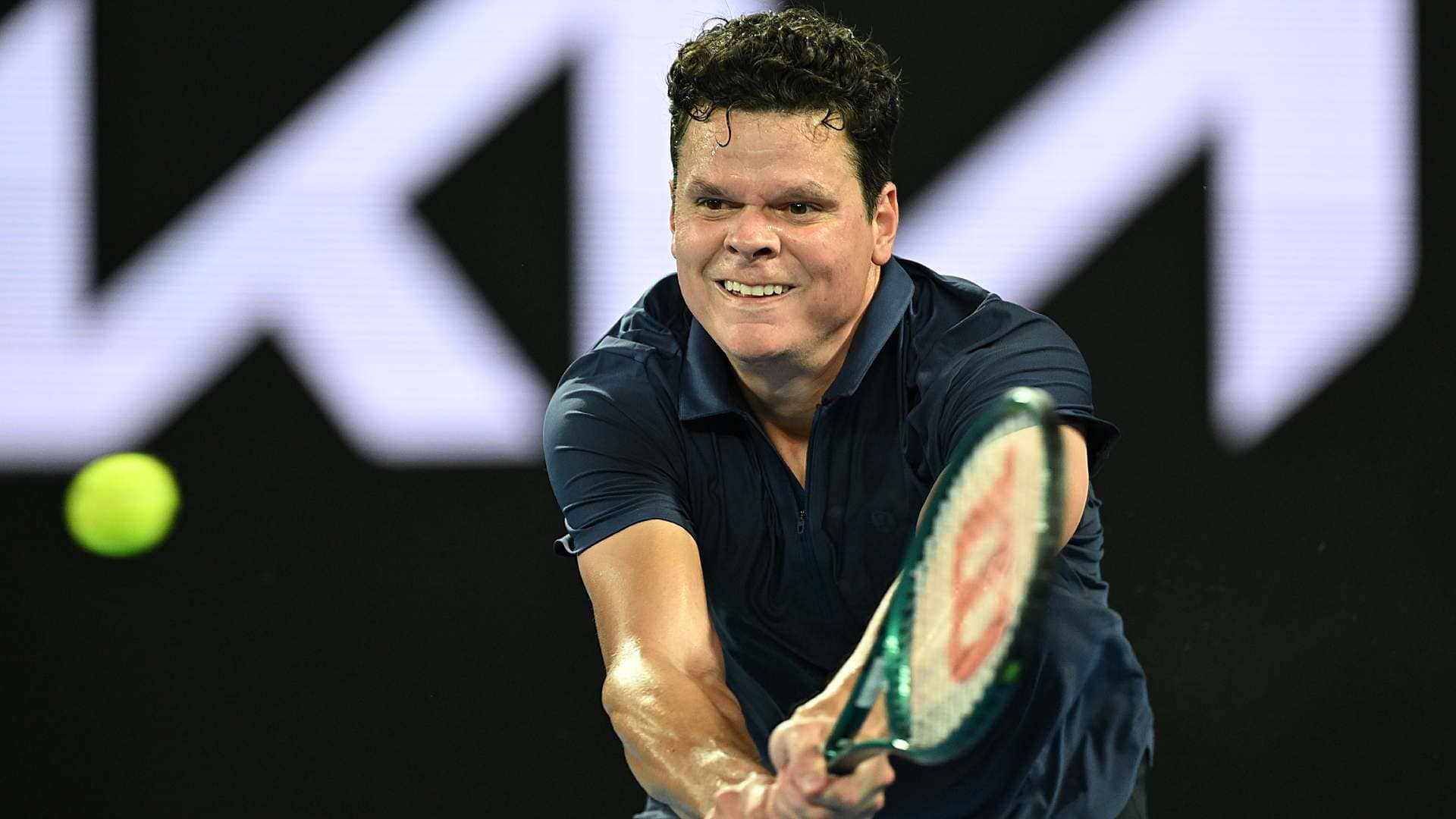
Raonic Hangs Up His Racket After a Thunderous Run

Milos Raonic’s retirement from tennis stirs reflections on a career built on booming serves and quiet grit, as his wife Camille’s words turn the page on a Canadian icon’s journey.
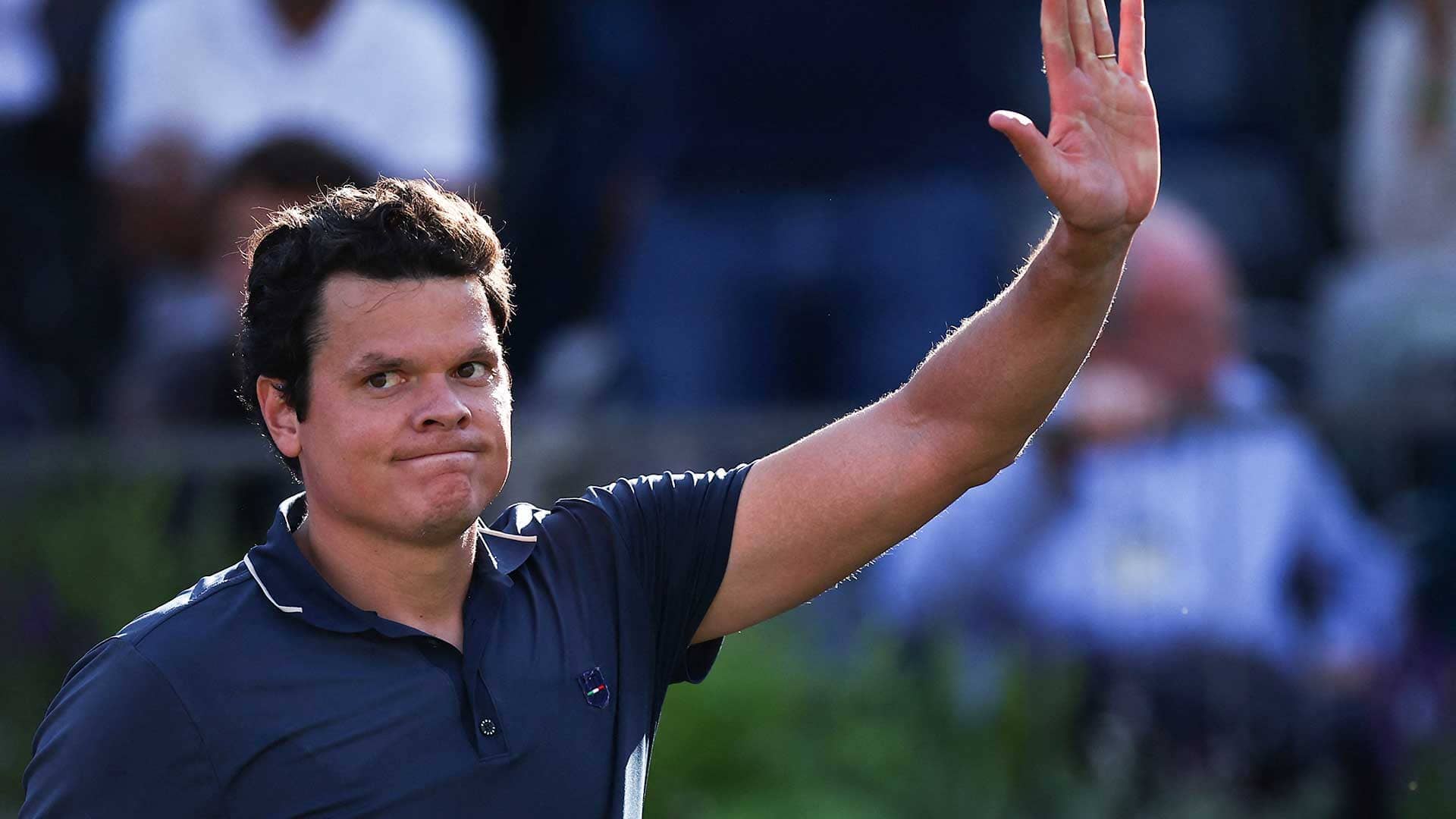
In the humid haze of Melbourne on January 16, 2026, as the Australian Open courts hum with early-round intensity, Milos Raonic‘s retirement lands like a serve that clips the baseline—decisive and final. The Canadian giant, who once ruled with a cannon of a serve and a career-high No. 3 ranking, steps away after eight tour-level titles, his body finally outpacing the fire that drove him through injury after injury. Fans who packed arenas for his Davis Cup stands now absorb the shift, the air thick with the what-ifs of a talent that redefined expectations.
“Your powerful serve became your signature, your relentless work ethic set you apart and your quiet determination propelled you to the world’s biggest stages,” Camille Raonic wrote. “You broke records, shattered expectations and redefined what was possible for Canadian tennis.”
Camille Raonic, married to him since April 2022, shared her tribute on social media, her words a steady anchor amid the announcement’s emotional swell. She posted on Friday, framing his career as a beacon that lit paths for others, her note arriving just as the tour’s spotlight dimmed on his final chapter. That gratitude echoes through the quiet moments post-match, where the roar of crowds fades into personal relief.
Pressure mounts in injury’s shadow
Raonic’s 2025 season played out as a grueling test of will, calf and back woes pulling him from clay-court battles and grass warm-ups alike. He gutted through Toronto qualifiers, the home crowd’s cheers fueling crosscourt forehands laced with heavy topspin, yet withdrew before the main draw—a pattern that wore on his resolve. Those near-misses built a mental fortress, each rehab hour a reminder of the isolation in carrying a nation’s tennis dreams.
On hard courts where his game sang loudest, he snagged a top-20 scalp in Indian Wells, weaving slice backhands into inside-out patterns to throw off aggressive returns. But majors brought the real strain; Wimbledon’s slick grass betrayed his net approaches, his mind locked in a duel against doubt. This tactical dance, blending power with precision, kept him in the fight, even as the calendar pressed forward.
Wife’s tribute eases the final turn
Camille’s Instagram post, shared via View this post on Instagram (14), captures the release that follows years of push. Her emphasis on his career’s reach—“meant so much to so many”—honors the fans who turned out for his one–two serve assaults at Rogers Centre. In honoring her during his farewell, Raonic signals the pivot from court warrior to family anchor, her words softening the edge of departure.
His serve, often clocking 150 mph, wasn’t mere force; it orchestrated rallies on fast surfaces, kick variants to the body forcing weak crosscourts for his down-the-line finishers. Adjustments across terrains—topspin loops on clay, underspin slices on grass—showed a player who evolved beyond raw athleticism. As he exits, that blueprint lingers, inspiring young Canadians to blend height with hustle on indoor hard courts.
Legacy serves up new beginnings
Raonic’s arc from Thornhill prodigy to global contender leaves Canadian tennis richer, his 300-plus weeks in the top 10 a foundation for the next wave. The psychological weight he shouldered—resets after breakdowns, triumphs in the breach—mirrors the tour’s relentless rhythm, where every hold feels earned. With retirement, the atmosphere he owned, from serve toss tension to winner’s roar, passes on, fueling emerging talents ready to claim the baseline.