Raonic Steps Away from the Baseline

Milos Raonic’s retirement at 35 closes a career of thunderous serves and quiet resolve, a path from lucky discovery to the edge of greatness shadowed by the body’s quiet rebellion.
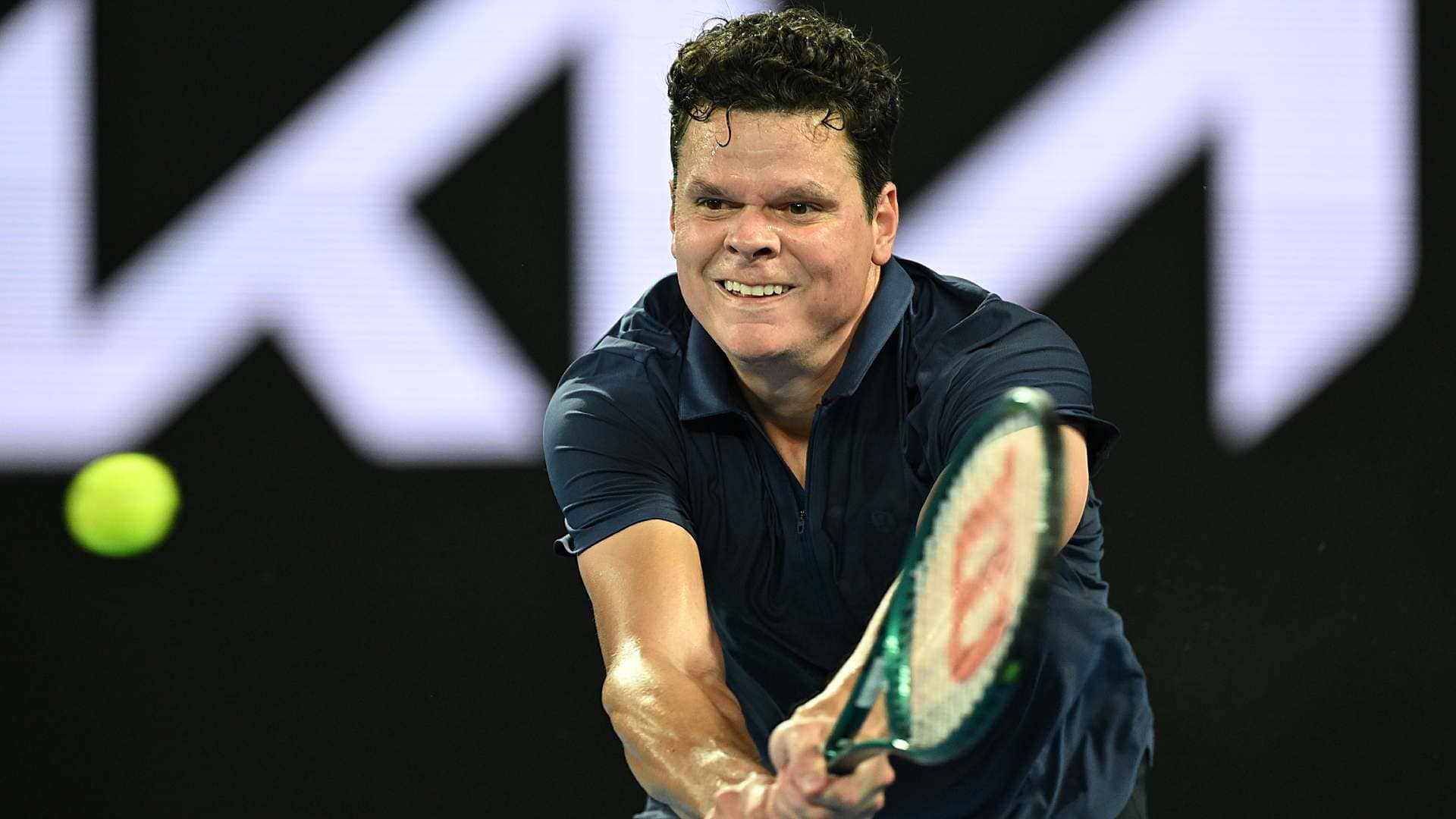
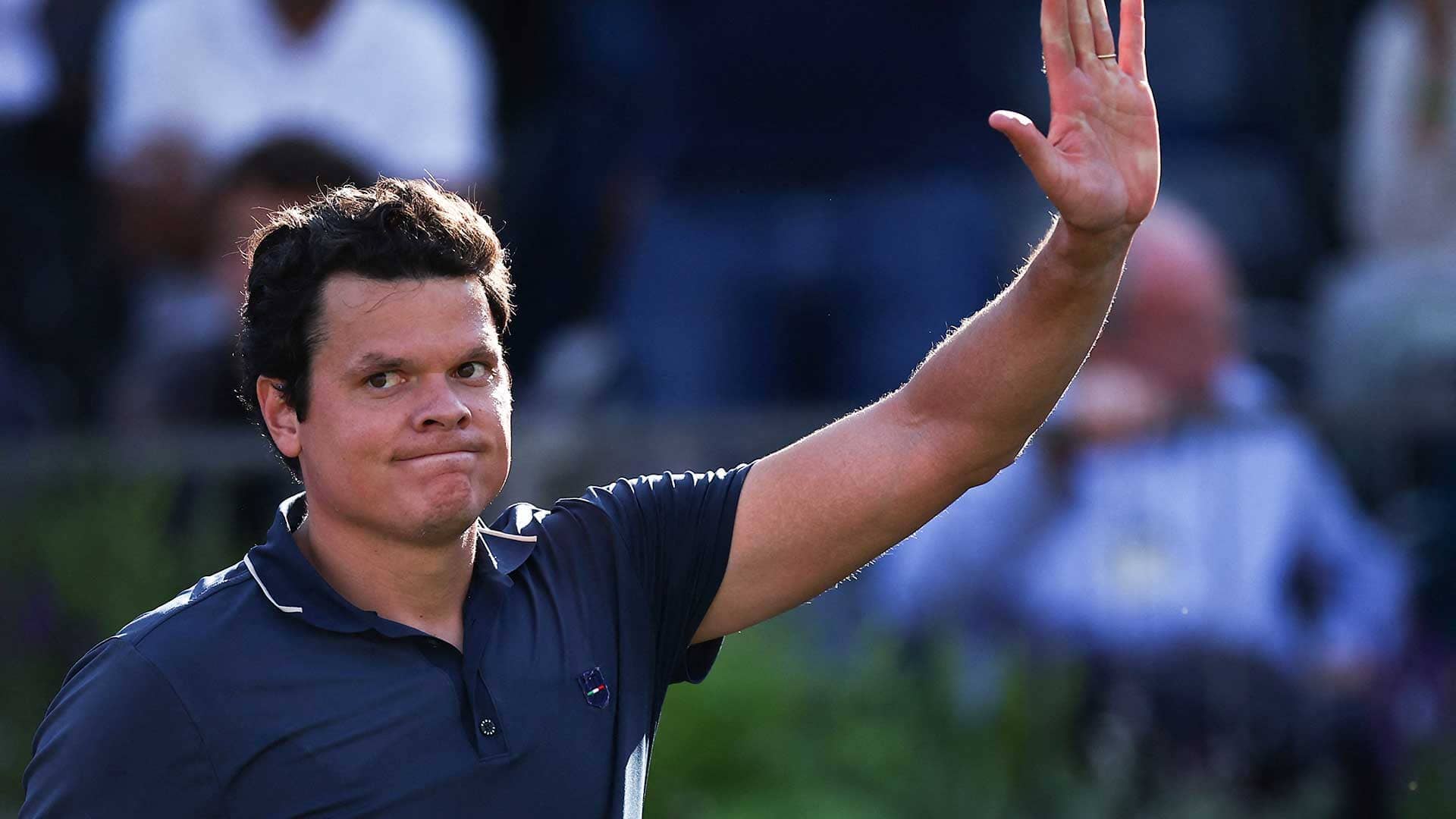
Milos Raonic announced his retirement on social media Monday, drawing the curtain on a career that crested at No. 3 in the PIF ATP Rankings. The Canadian’s words landed like a final, unreturnable serve, raw with the mix of gratitude and inevitability that marks the end of any obsession. At 35, he reflected on a sport that consumed him since age eight, turning chance into a profession built on daily drills and unyielding focus.
His journey wove through triumphs and setbacks, where booming serves dictated rallies and injuries tested limits. Raonic’s game, anchored by that 1–2 pattern of serve and forehand, forced opponents into hurried blocks on fast courts. Yet beneath the power lay a mental rhythm, each recovery a step toward reclaiming the court.
“The time has come, I am retiring from tennis. This is a moment you know will come one day, but somehow you never feel ready for it. This is as ready as I will ever be. Tennis has been my love and obsession for most of my life. I have been the luckiest person to get to live out and fulfill my dreams. I got to show up every day and focus on just getting better, seeing where that will take me, and playing a game I was introduced to at 8 years old by complete luck. Somehow, this became my entire obsession and childhood, and then became my profession and life.”
Raonic captured eight tour-level titles, his serve a constant that pinned returners deep and opened angles for inside-out winners. Crowds at major venues felt the tension in his focused resets, the way he channeled doubt into precise placement. That luck he mentioned fueled a drive that reshaped his tactics across surfaces, from grass slicks to hard-court bounce.
Power meets the pull of limits
Raonic’s career arced through psychological depths, where raw velocity clashed with the fragility of constant rehab. Early on, his inside-in forehands blasted crosscourt, but foot injuries demanded shifts to shorter swings and more slice backhands for recovery time. The mental grind of abbreviated seasons turned every practice into a negotiation with his frame, yet he pressed on, adapting serves with added kick to draw weaker replies.
In 2016, that balance tipped toward brilliance, a year where momentum gathered like a building rally. He reached the Wimbledon final after defeating Roger Federer in the semi-finals, mixing down-the-line passes with net rushes to disrupt the Swiss’s rhythm on grass. The Centre Court air hummed with the stakes, each hold amplifying the internal push against fatigue.
That season extended to the semi-finals of the Australian Open, where Melbourne’s pace suited his flat bombs, and the Nitto ATP Finals, holding serve through varied placements against elite fields. Finishing at career-high No. 3 came from those tactical evolutions—more drop shots on slower hard courts, underspin lobs to buy time. His eight titles spanned venues, but the obsession he described kept him evolving, turning potential breakdowns into deep runs.
2016 summit amid rising strain
The 2016 campaign crystallized Raonic’s threat, a psychological peak where expectations thickened the air before every match. At Wimbledon, his upset over Federer showcased adjustments: wide slice serves to exploit backhand vulnerabilities, followed by heavy topspin forehands that pulled the 17-time champion off the baseline. The 6-3, 6-7(5), 6-4, 7-6(4) win echoed in the stands, a roar that masked his quiet battle with mounting pressure.
Across the Australian Open semis, he unleashed one–two patterns that overwhelmed on the hard courts, aces skidding low to force scrambles. Indian Wells saw him in the final, varying pace with crosscourt returns to counter slower conditions. The Nitto ATP Finals run demanded mental steel, sustaining form as the year-end grind whispered retreat, but his focus propelled him to No. 3.
Raonic’s height turned leverage into art on fast surfaces, 140-mph deliveries forcing defensive postures. Opponents schemed around his firepower, yet his adaptations—like looping topspin to jam returns—kept him ahead. That year etched a blueprint for power players, blending brute force with calculated patience.
The time has come, I am retiring from tennis. This is a moment you know will come one day, but somehow you never feel ready for it. This is as ready as I will ever be. Tennis has been my love and obsession for most of my life.
I have been the luckiest person to get to live out…— Milos Raonic (@milosraonic) January 11, 2026
Last rally fades in Paris
As years piled on, Raonic’s appearances thinned, each laced with the weight of longevity. His final match unfolded at the 2024 Olympics in Paris, a first-round loss 7-6(2), 6-7(5), 6-7(1) to Dominik Koepfer, where the court’s grip slowed his serves and extended points into marathons. Tiebreaks captured the career’s close margins, his underspin lobs buying moments against aggression.
Retirement eases that load, freeing space to reflect on a path from Toronto courts to global echoes. The tennis circuit shifts without his artillery, but his influence lingers in how young servers study his patterns—wide placements pulling foes before down-the-line finishes. Raonic’s exit on January 11, 2026, quiets the boom, yet opens doors to whatever obsession follows the game.