Swiatek’s Tiebreak Nerve Secures Australian Open Start

In a match that tested her resolve more than her racket, Iga Swiatek clawed through a gritty first-set tiebreak to outlast Yuan Yue 7-6(5), 6-3, kicking off her Australian Open bid with poise amid rising pressure.
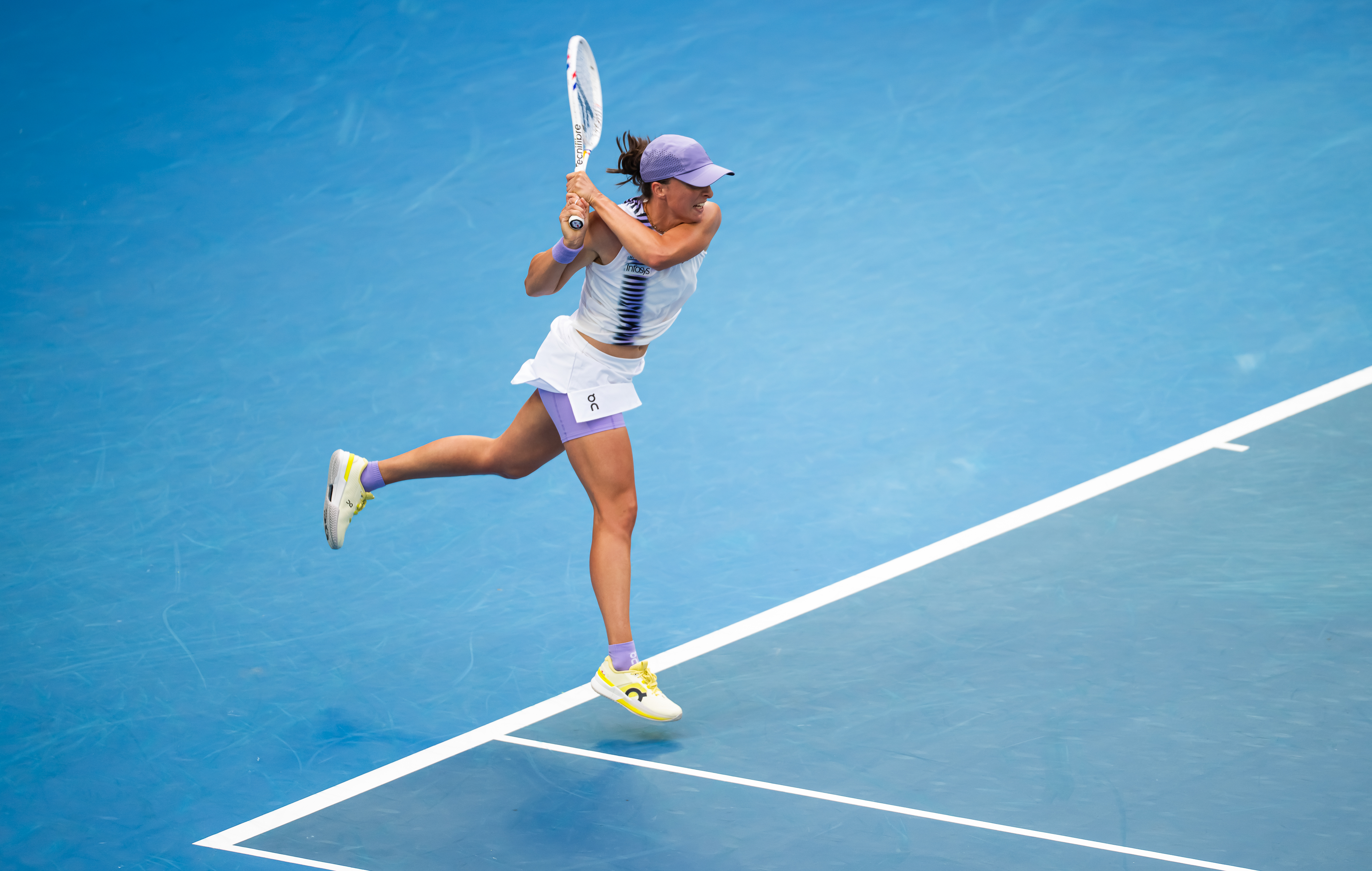
MELBOURNE, Australia—Under the glare of Rod Laver Arena’s lights, Iga Swiatek stepped into her Australian Open opener carrying echoes of a dominant Beijing win over Yuan Yue just months earlier. There, she had dispatched the Chinese qualifier 6-0, 6-3 in a brisk 74 minutes. This time, on the faster hard courts of Melbourne, Yuan mounted a fiercer resistance, forcing a tiebreak and snagging nine games across two hours before Swiatek prevailed 7-6(5), 6-3 to set up a second-round meeting with Marie Bouzkova.
The six-time Grand Slam champion’s composure surfaced in the clutch, as she captured three of the final four games and the tiebreak to claim the opener. Yuan, riding momentum from three qualifying victories, broke early and held for a 2-0 lead, her flat groundstrokes skimming low and matching Swiatek’s power in extended rallies. Swiatek racked up 21 unforced errors to Yuan’s 13 in that set, yet converted just enough to tie at 3-3 before Yuan broke again to serve for the set at 5-3.
Australian Open: Scores | Draws | Order of play
Yuan’s early fire tests Swiatek’s defense
Yuan’s aggressive baseline game amplified the surface’s speed, her down-the-line backhands piercing through as she converted three of seven break points—a far cry from their Beijing clash where she had only one chance. Swiatek scrambled with crosscourt redirects laced with heavy topspin, buying time against the onslaught, but the pressure mounted as the crowd sensed a potential upset. Yuan consolidated her second break to edge ahead, her flat shots forcing Swiatek into defensive slices that disrupted rhythm but exposed vulnerabilities on the Plexicushion courts.
Swiatek reset quickly, shortening points with inside-out forehands to level the score and reel off three of the next four games, her footwork keeping her in rallies longer than Yuan anticipated. The tiebreak arrived with tension thick in the air, points alternating until Swiatek pulled ahead 5-4. On the 10th point, a fierce exchange ended with an incidental net cord that drew the Pole forward; she adjusted swiftly, smashing a backhand winner—one of her 15 in the set—to earn double set point.
Yuan saved the first with an ace that kicked awkwardly off the hard court, but Swiatek’s crosscourt backhand with bite sealed the 7-5 tiebreak, her precision leaving Yuan doubting calls on several winners. That shift highlighted Swiatek’s tactical adaptability, varying depths to counter the flat hitting and disrupt trajectories on a surface where spin grips just enough to unsettle opponents.
Momentum builds into second-set dominance
Carrying the tiebreak’s surge, Swiatek broke twice early in the second set for a 3-0 lead, her deep returns exploiting Yuan’s second serve—she won 21 of 34 points there at a 62% clip. Yuan, hampered by a lower back issue, took a medical timeout but fought back, claiming three of the next four games, including a marathon 16-point affair that dragged on for 10 minutes to trim the deficit to 4-3. The qualifier’s resilience narrowed the gap, her holds blending power with improved movement after the break.
Swiatek absorbed the push, dominating her first serve at 72% points won and breaking again at 4-3 with a sharp return that forced a weak reply. She closed out the match efficiently, capturing 40 of 82 return points overall while holding Yuan to 36%, her one-two patterns—serve followed by inside-in forehands—now fully synced to the court’s pace. Yuan’s effort, converting breaks under duress, added depth to the underdog narrative, but Swiatek’s adjustments exposed movement limits in the longer exchanges.
Streak extends amid tactical evolution
This victory marked Swiatek’s 25th straight Grand Slam first-round win on the WTA Tour, a run that underscores her growth beyond clay into hard-court mastery. Her 24 winners across the match, paired with fewer errors in the decider, reflected an evolution: mixing topspin loops with occasional underspin slices to vary pace and keep Yuan off-balance. The psychological lift from navigating the early pressure could fuel a deeper Melbourne run, especially against Bouzkova’s steady all-court game in the heat ahead.
As the tournament heats up, Swiatek’s ability to turn defensive scrambles into offensive volleys hints at a player refined by the tour’s demands, transforming potential cracks into confident strides on these unforgiving courts.