Noskova’s resolve shines as Zheng bows to elbow pain

Beijing’s hard courts witness a Czech’s calculated push forward, her poise unraveling a local hero’s comeback bid and opening doors to deeper tournament glory.
Full screen
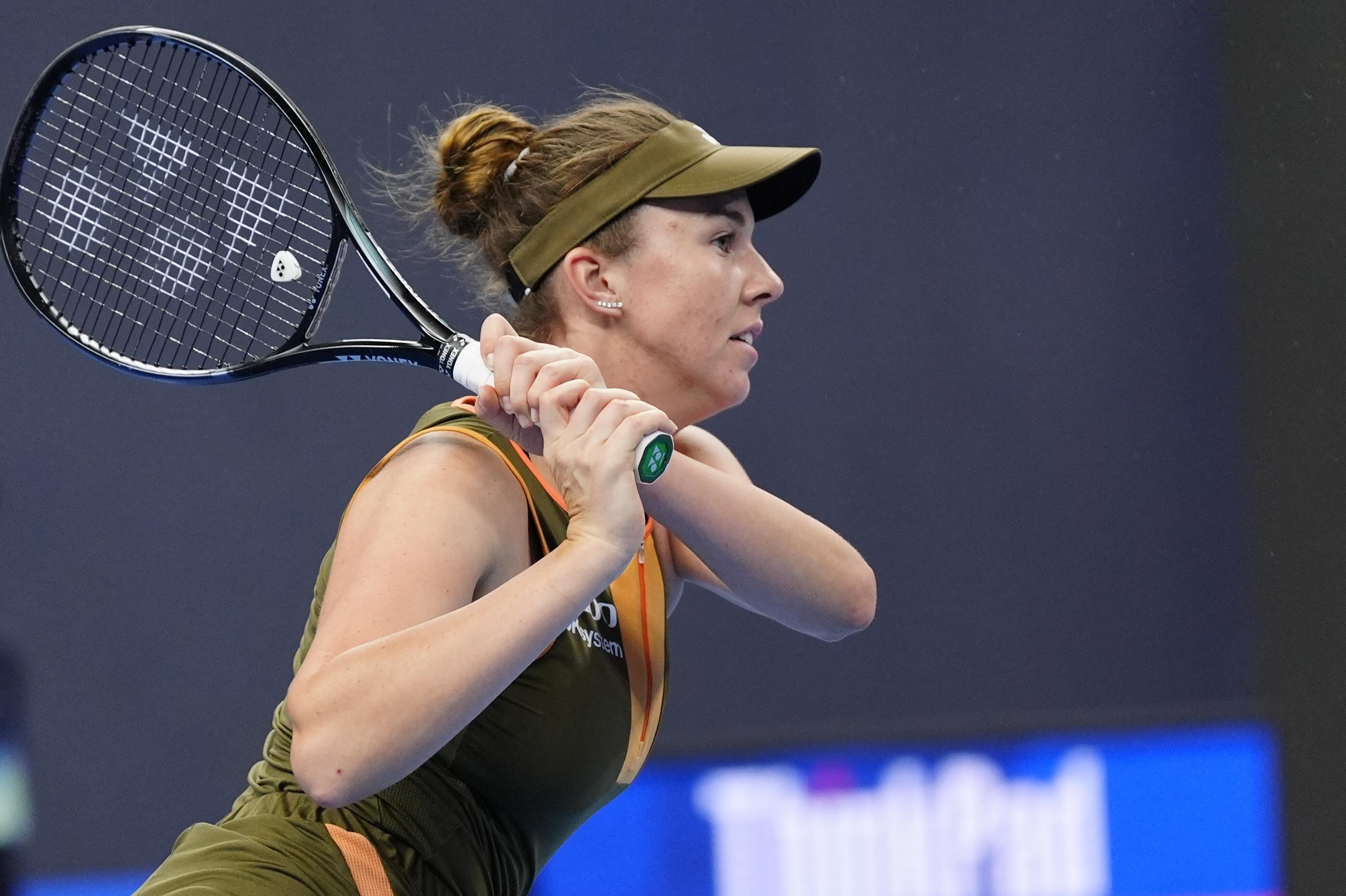
Under the autumnal glow of Beijing’s stadium lights, Linda Noskova etched her name into the China Open’s narrative with a victory born of persistence rather than celebration. The 26th seed navigated the third-round tension against seventh-seeded Zheng Qinwen, claiming the first set 6-4 through deep crosscourt forehands that probed the Chinese player’s recovering elbow. Zheng, fueled by home-crowd fervor, countered with a 6-3 second-set surge, her inside-out backhands landing with renewed authority on the medium-paced hard courts. Yet as Noskova built a 3-0 lead in the decider with steady one–two combinations—serves slicing wide followed by down-the-line returns—Zheng’s discomfort escalated, leading to a retirement that silenced the supportive roars and advanced the Czech to the last 16.
She outlined plans for an MRI to gauge the impact of these outings, balancing optimism with caution in her pursuit of full strength. The mental strain of pushing through, evident in her gritted determination during the second set, underscored the psychological layers of elite recovery, where crowd energy clashes with personal fragility. “I need to double-check with the MRI to see how is going after two matches, there is one three-set matches, how it’s going inside with my elbow,” she added, her voice steady yet revealing the internal debate. Playing on demands breaking barriers, she noted, yet arriving at a third set proved too taxing this time; with rest, she believes healing will follow.
Zheng confronts recovery’s sharp edges
The withdrawal cast a shadow over Zheng’s return, her first since Wimbledon elbow surgery, where she defied team advice to thrill Beijing’s passionate fans. Each rally’s repetition amplified the ache, transforming initial twinges into a forceful reminder of her body’s limits amid the tour’s demanding cadence. Noskova adapted seamlessly, shortening points with underspin slices on returns to disrupt Zheng’s rhythm and conserve energy on a surface that favors baseline endurance.“Because keep playing by a lot of repetition, I start to feel a bit more, which is normal,” Zheng reflected post-match. “I already expected that. I decided when the pain’s going higher, for don’t damage the area, I should stop. I kept thinking about it in the second set, so I keep pushing, pushing, until I say, like, OK, that’s it.”