Murray’s serve tease echoes Federer rivalry’s edge

Roger Federer’s timeless service motion draws fresh applause online, yet Andy Murray’s sly remark exposes the subtle reads that once turned their matches into chess-like standoffs on court.
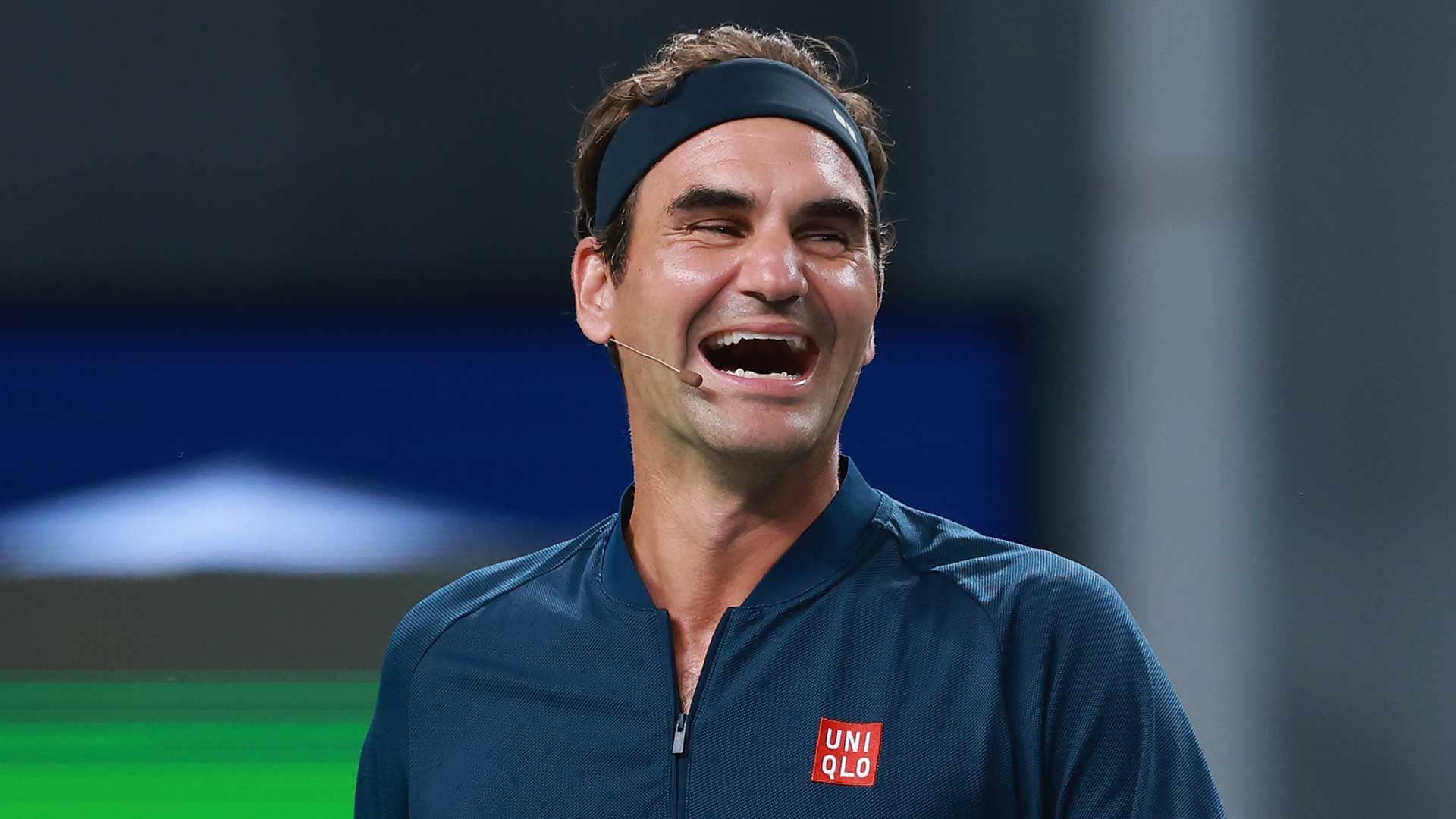
Long after his final competitive swing, Roger Federer‘s serve endures as a symbol of grace under pressure, its fluid arc a reminder of the artistry that secured 20 Grand Slam titles. On Monday, the Swiss star shared an Instagram video of that motion in action, the ball rising predictably before exploding with spin and depth, as if the baseline still awaited his command. The clip, posted amid a packed schedule of appearances, quickly pulled in admirers—and one old adversary ready to poke at a familiar flaw.
Banter uncovers tactical vulnerabilities
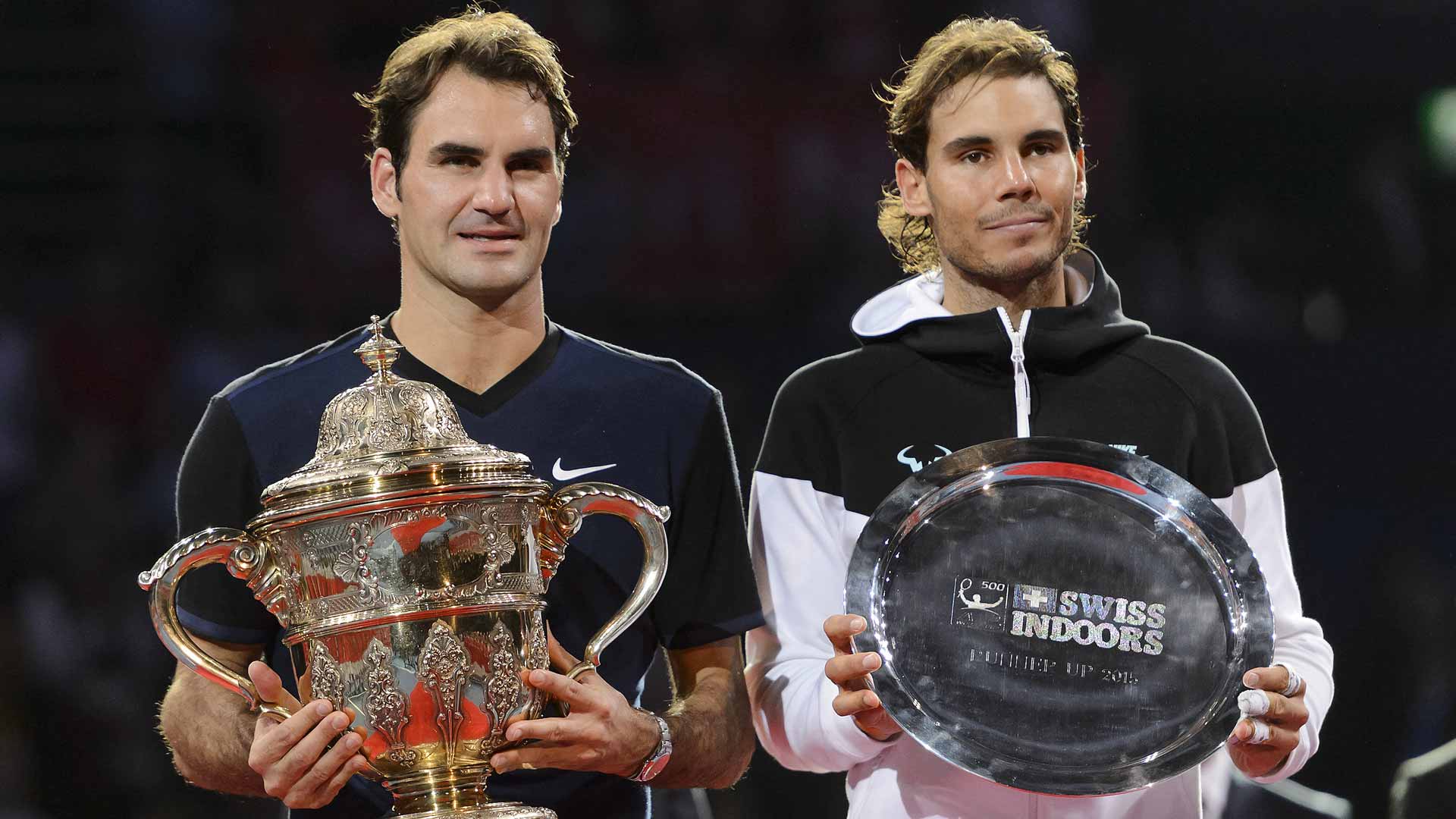
Andy Murray, the Scot whose dogged returns often chipped away at Federer’s poise, jumped into the comments with trademark wit, targeting the toss’s telltale height that returners like him learned to anticipate across their 25 clashes. Federer held a 14-11 edge in those encounters, but Murray’s ability to step in early, firing crosscourt replies to jam the follow-up, frequently disrupted the Swiss’s rhythm on hard courts and grass alike. This exchange, lighthearted yet laced with history, highlights how a server’s predictability could shift momentum, turning a routine hold into a prolonged baseline battle.
The video’s appeal lay in its simplicity, Federer‘s form unchanged by time, yet Murray‘s line landed like a well-timed lob, inviting fans to revisit the psychology of those duels.
If you could have disguised your toss better you would have been some player.
Surfaces tested serve-return mastery
On Wimbledon’s slick grass, Federer’s kick serves pulled wide, forcing Murray to stretch and slice underspin back just to stay in points, a tactic that preserved his 14-11 lead in early meetings. Clay courts flipped the script, slowing the ball enough for the Scot’s topspin loops to build pressure, exposing any minor toss variance during extended rallies at events like the French Open. Hard courts, blending speed and bounce, demanded constant adjustments—Federer’s inside-out forehands off the serve clashing with Murray’s deep, angled returns that kept the net at bay.
These adaptations, honed over years, reveal the mental fortitude required; Murray’s patience often broke Federer’s hold percentage below 85 in key sets, while the Swiss countered with down-the-line aces to reclaim control. The former No. 1 in the PIF ATP Rankings thrived when his patterns held firm, but rivals like Murray turned observation into opportunity.
Travels bridge eras of competition
Federer has crisscrossed the globe lately, lending his presence to the Laver Cup he co-founded, where Team Europe’s floodlit intensity in Berlin echoed the team dynamics he once mastered in singles. From there, he headed to the Shanghai Masters, its humid courts hosting Valentin Vacherot‘s surprising run to the title, a display of aggressive one–two punches—serve into slicing forehand—that nodded to Federer’s own blueprint. Watching the Monegasque navigate upsets, Federer stayed connected to the tour’s pulse, his insights subtly shaping the next wave amid roaring crowds and baseline grinds.
This peripatetic role sustains his influence, blending quiet observation with the camaraderie that outlasts rankings. As the 2025 season presses on, such moments—online jabs and courtside nods—remind players and fans alike that tennis’s core tensions, from toss disguise to rival respect, evolve yet endure, fueling fresh rivalries on horizons yet to unfold.