Mboko rallies past friend Eala in Hong Kong drama

Trailing 4-1 in the third against her closest tour companion, Victoria Mboko tapped into resilience and precision to claim a 3-6, 6-3, 6-4 victory, a clash that pulses with the promise of future showdowns.
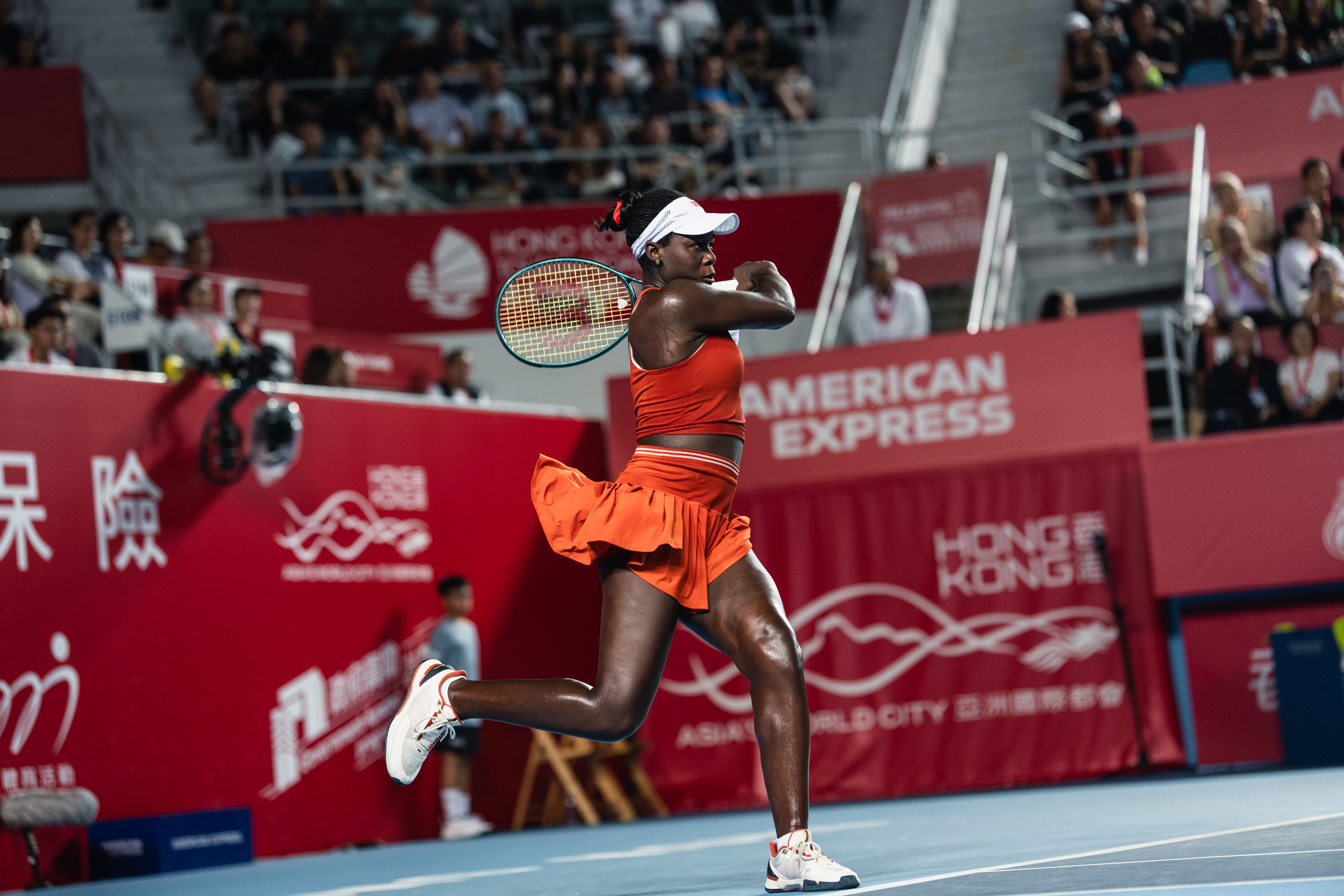
Under the sticky humidity of the Prudential Hong Kong Tennis Open, 19-year-old Canadian Victoria Mboko turned a tense second-round battle into a personal triumph, overcoming a 4-1 third-set deficit to edge 20-year-old Alexandra Eala 3-6, 6-3, 6-4 over 2 hours and 27 minutes. Their professional debut carried echoes of a deep friendship forged in junior days, blending off-court warmth with on-court ferocity on the outdoor hard courts. Both have surged into the Top 100 this year on the back of stunning WTA 1000 runs, setting the stage for a matchup rich in stakes and sentiment.
Friendship tempers competitive fire
The two have shared more than just courtside battles; bubble tea outings and wholesome adventures have defined their bond since before their junior breakthroughs. Eala holds a prior edge from the 2022 US Open girls’ semifinals, where she prevailed 6-1, 7-6(5), but this pro-level encounter tested their rapport amid rising expectations. Mboko later shared how facing such a sweet girl made the duel a little emotional, yet it fueled her drive through the electric crowd’s hum.
In the opening set, Eala grabbed a swift 3-0 lead with aggressive returns and net rushes, her flat inside-out forehands pinning Mboko deep. The Canadian clawed back but faltered on game point at 4-4, firing a backhand wide after Eala’s tenacious defense, allowing the Filipina to break and seal the frame. As fans followed the unfolding action via the Hong Kong scores, the early tension hinted at the psychological layers beneath their technical exchanges.
“She’s such a sweet girl and we have so many great memories together off the court,” Mboko said. “We’ll go and get bubble tea together, we do the most wholesome things together.”
Serve tweaks unlock second-set surge
Mboko’s first-serve percentage leaped from 58% to 87% in the second set, stabilizing her game and creating cleaner rallies on the pacey surface. This adjustment paid off with a single break at 4-2, as Eala’s volley sailed long under pressure from Mboko’s deeper returns. The Canadian held firm from there, evening the match and shifting momentum toward a decider, her improved placement blunting Eala’s return aggression.
The third set began with Mboko’s serve dipping again, three double faults in the second game surrendering a break and handing Eala a 4-1 edge built on swarming volleys and blistering forehand sequences. Hard-court speed favored Eala’s flat-hitting early, forcing Mboko into defensive scrambles that tested her adaptability. Yet, as the tournament draws revealed the competitive depth ahead, Mboko confronted the deficit not just as a scoreline but as a call to recalibrate amid the season’s grind.
Backhand winners drive the turnaround
With the wall closing in, Mboko elevated her level, stringing together five straight games anchored by flawless backhand down-the-line winners that pierced Eala’s defenses. These shots, executed with laser focus, disrupted patterns and extended rallies on her terms, turning crosscourt exchanges into opportunities. At 4-4, a superb defensive lob forced the key break, flipping the set to 5-4 and exposing Eala’s positioning lapses under duress.
Serving for the win, Mboko’s eighth ace brought up match point, her serve reclaiming its edge as a one–two weapon alongside those backhand strikes. This precision echoed her Montreal title run in August, where she toppled four Grand Slam champions—Sofia Kenin, Coco Gauff, Elena Rybakina, and Naomi Osaka—on home soil, honing resilience against top-tier pressure. Eala’s March semifinal charge at Indian Wells, upsetting three major winners including Jelena Ostapenko, Madison Keys, and Iga Swiatek, had similarly marked her ascent, making this clash a true test of emerging talents.
“It feels unbelievable to come back in a match like that,” Mboko said afterwards. “Alex was playing such incredible tennis, and of course the ambience in the crowd was very electric. It was very intense so I think it really pushed me more and more to fight as much as possible.”
Post-match, Mboko praised her opponent’s amazing play in the on-court interview, underscoring the sportsmanship that defines their connection. The order of play had scheduled this mid-afternoon showdown, but its intensity lingered, foreshadowing a rivalry that could shape the tour’s next chapter. Now in back-to-back Asian quarterfinals after Tokyo, she faces No. 6 seed Anna Kalinskaya next, aiming for her first semifinal since Montreal’s glory, where tactical evolutions like her backhand reliability could propel her deeper into the hard-court swing.