Keys Survives Triple-Tiebreak Epic Against Shnaider

Madison Keys battled back from the brink in Brisbane, outlasting Diana Shnaider in a three-hour saga of tiebreaks to earn her first such victory and set up a charged rematch with Aryna Sabalenka.
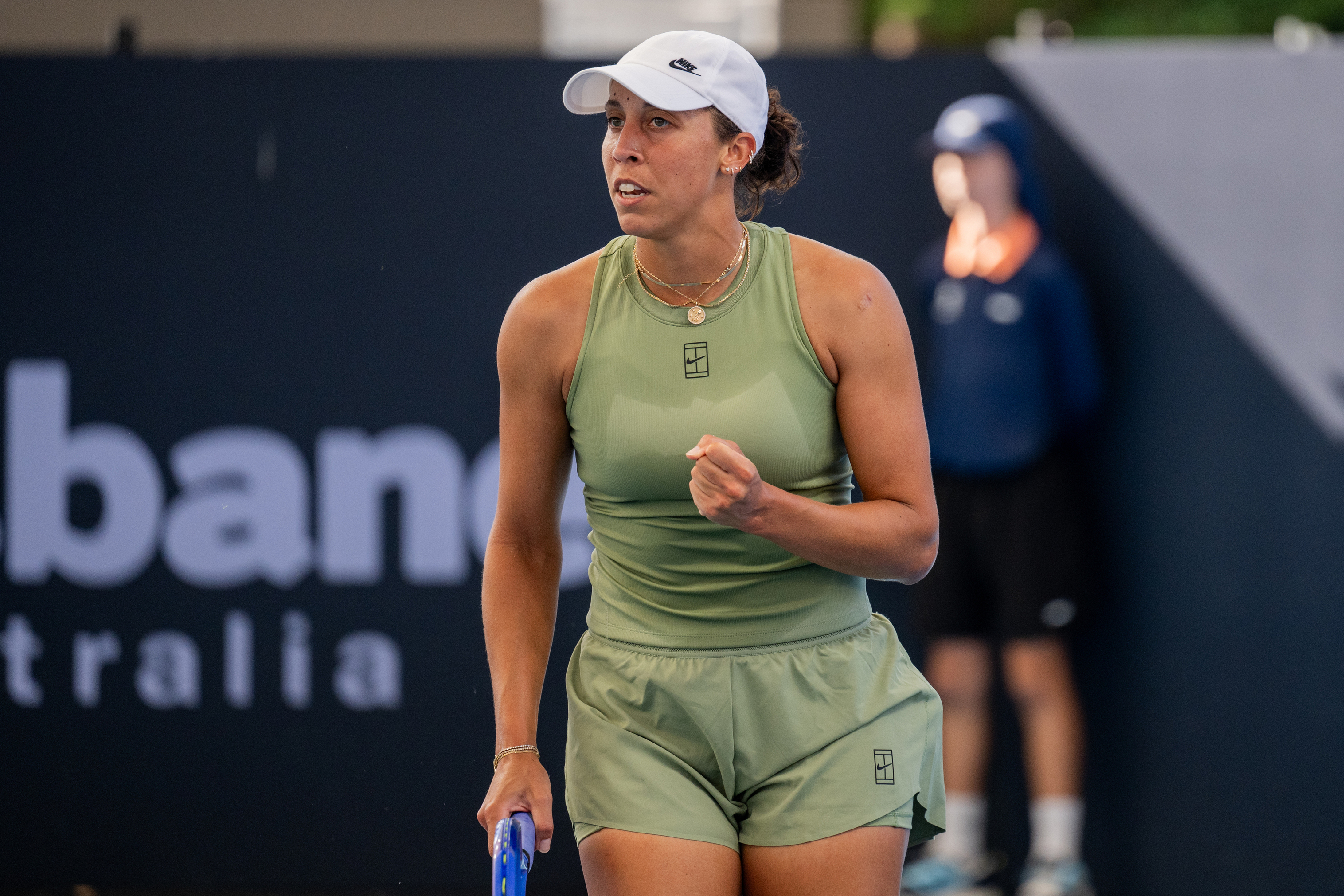
In the humid haze of Pat Rafter Arena, Madison Keys faced a test of will against Diana Shnaider in the Brisbane International’s third round. The No. 5 seed trailed a set and 4-2 in the second, her shots scattering wide as the Russian’s probing returns exposed early rust on the hard courts. Yet Keys rallied, forcing three tiebreaks in a 6-7(5), 7-6(5), 7-6(5) marathon that stretched nearly three hours, claiming her first triple-tiebreak win and the 12th on the WTA Tour this decade.
Shnaider broke first in each set, her crosscourt forehands pinning Keys deep and turning rallies into grueling exchanges. The American’s heavy topspin faltered under pressure, but she struck back with aces and inside-out winners to level the scorelines. Both called for medical timeouts—Shnaider for her left wrist at 3-2 in the decider, Keys off-court after the second—yet the Florida native tallied 38 winners to her opponent’s 17, including nine aces that sliced through the thick air.
“That had a little bit of everything,” Keys said in her on-court interview. “it’s good to start the year off with a little bit of drama—so glad we got that out of the way. Diana played such a great match, I had to come back and figure out how to get myself back into that match.”
“It was trying to stay in every single point, and I knew if I could give myself an opportunity, if I had the chance, then momentum switches so quickly. Really trying to keep the score as close as possible and give myself the best opportunity, then when that opportunity finally came round, to take advantage of that.”
Resilience shifts the second-set momentum
As fatigue set in, Keys sharpened her focus, erasing the deficit with a tighter 1–2 pattern that neutralized Shnaider’s baseline speed. Her flat serves found the lines more often, and she began landing those hefty forehand blows to pull the Russian off the court. The crowd’s energy surged with each hold, the arena pulsing as the American forced the tiebreak and cleaned up her errors from the opener.
This pivot wasn’t mere survival; it drew on Keys’ experience from past Australian Open deep runs, where mental resets turned deficits into opportunities. Shnaider remained solid in longer points, but the seed’s nine aces overall disrupted that rhythm, her delivery kicking up just enough to jam returns. By set’s end, the match felt even, with Brisbane’s grippy surface rewarding the one who could sustain depth without overcooking shots.
Net approaches seal decider’s tension
In the third, Keys ventured forward more, a bold adjustment that shortened points and caught Shnaider off guard. She reeled off three straight games to lead 3-1, crisp volleys cutting off rally extensions and flipping the dynamic on its head. The reigning Australian Open champion scrambled now, her service winners saving two match points at 5-4 as the sun dipped low.
Shnaider’s fightback kept the pressure on, her down-the-line passes testing Keys’ movement, but the American’s volleying proved decisive in the tiebreak. This victory boosts her to 3-0 against the 20-year-old, following straight-sets wins in Miami’s 2024 second round and Queen’s 2025 quarters. With the quarterfinal rematch against No. 1 Aryna Sabalenka looming—a 2025 Australian Open final repeat where Keys edged 6-3, 2-6, 7-5 despite a 5-2 head-to-head deficit—the hard courts of Brisbane preview Melbourne’s demands.
Sabalenka’s power looms large, her 6-0, 6-1 Indian Wells semifinal rout last year a stark reminder, but Keys’ adjustments here signal readiness. The Belarusian leads overall, yet this gritty comeback fortifies the American’s resolve, turning early-season drama into momentum for the majors ahead.
Rare triple tiebreaks mark WTA endurance
Triple-tiebreak matches underscore the tour’s parity, with just 11 before this Brisbane clash since 2020. Sofia Kenin outlasted Alison Van Uytvanck 7-6(5), 6-7(2), 7-6(2) in Lyon’s semifinals that year. Ajla Tomljanovic upset Elise Mertens 7-6(5), 6-7(5), 7-6(4) in Birmingham’s first round in 2021.
Kristina Kucova defeated Ekaterine Gorgodze 6-7(4), 7-6(7), 7-6(3) in Gdynia’s quarters, while Rebeka Masarova stunned Ana Bogdan 6-7(9), 7-6(2), 7-6(9) at the US Open opener. Greet Minnen edged Nuria Parrizas Diaz 7-6(4), 6-7(1), 7-6(2) in Luxembourg’s first round, and Angelique Kerber clinched Strasbourg’s final 7-6(5), 6-7(0), 7-6(5) over Kaja Juvan in 2022.
Peyton Stearns beat Katie Boulter 7-6(5), 6-7(2), 7-6(5) in Austin’s opener in 2023, Camila Giorgi topped Kaia Kanepi 7-6(4), 6-7(4), 7-6(4) in Miami, and Ekaterina Alexandrova rallied past Madison Brengle 6-7(4), 7-6(5), 7-6(7) at Wimbledon. Caroline Dolehide outdueled Stearns again 6-7(1), 7-6(5), 7-6(2) in Guadalajara, and Leylah Fernandez overcame Elena Rybakina 6-7(2), 7-6(3), 7-6(3) in Washington’s semifinals in 2025. Keys’ addition to this list highlights her growth under duress, priming her for the Australian Open swing where every point counts.