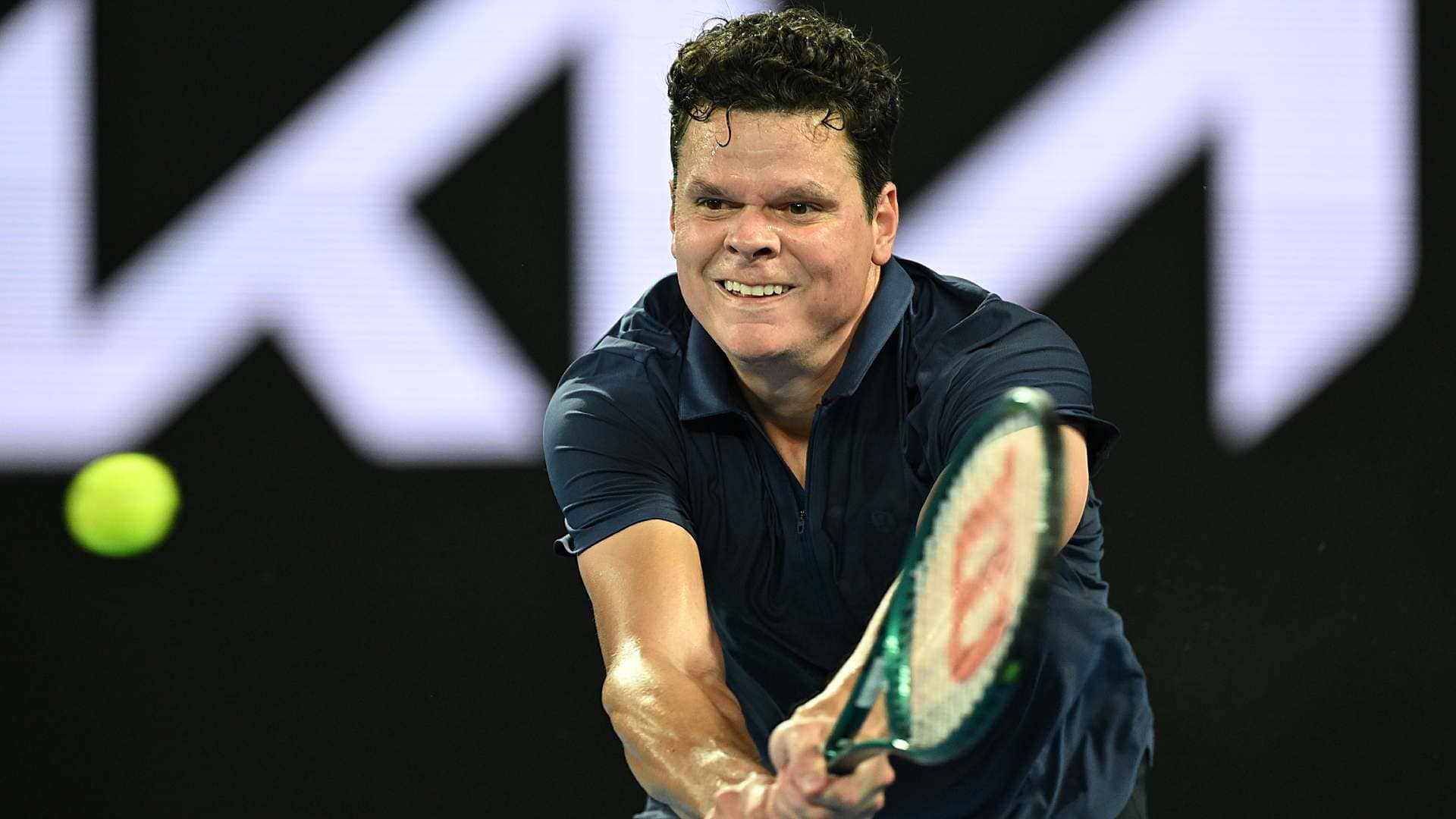
Jamie Murray Bows Out After Doubles Dominance

The Scot’s left-handed volleys and net instincts fade into retirement, leaving a legacy of partnerships forged in high-stakes rallies and family-fueled grit.

Jamie Murray‘s retirement announcement slices through the ATP calendar like a well-disguised drop shot, quiet yet decisive. At 40, the former No. 1 in the PIF ATP Doubles Rankings steps away after 36 years on court, his Instagram post a simple nod to a life spent reading angles and rushing the net. The weight of those decades hangs in the air, from early morning practices to the roar of major finals, each match a blend of instinct and calculation.
His career, marked by seven major titles and 34 tour-level wins, built on the precision of a lefty serve that kicked wide, setting up one–two patterns with partners. Murray’s game thrived on adaptation—poaching crosscourt on grass, extending rallies with heavy topspin lobs on clay, always one step ahead in the doubles dance. That final push through 2025 tested his resolve, turning every point into a quiet battle against time.
“My tennis journey comes to an end after 36 years,” the seven-time major champion wrote. “I feel very fortunate and privileged for all the amazing experiences this great sport has given me.”
Family ties fuel the net rush
Two of those titles came alongside his brother Andy Murray, their partnership a rare fusion of singles power and doubles cunning on fast surfaces. The Murray brothers turned family expectations into fuel, blending Andy’s baseline firepower with Jamie’s net instincts to overwhelm returns down the line. Those matches carried an extra layer of intensity, the crowd’s energy amplifying the psychological edge of playing kin under pressure.
From his first ATP crown in 2007 at San Jose with Eric Butorac, Jamie honed a style that disrupted rhythms with low, skidding slices, forcing opponents into uncomfortable inside-out replies. Over 2007 to 2024, he claimed at least one trophy in 16 of 18 seasons, a run sustained by mental resets after tough losses and tactical tweaks mid-tiebreak. His climb to world No. 1 as the first British player there anchored him through slumps, each ranking point a testament to unflinching focus.
“Thanks Mum, Dad, Andy, Ale, Alan, Louis and Thomas for all your incredible support, efforts and sacrifices throughout my career that allowed me to achieve everything I could in the game.”
Final volleys at Flushing Meadows
The US Open in 2025 became his last stage, partnering Ivan Dodig on the hard courts where humid nights thickened every lob and smash. Dodig’s steady returns complemented Murray’s aggression, their one–two setups slicing through defenses with crosscourt passes that hugged the lines. In Arthur Ashe Stadium, the echoes of volleys mixed with crowd surges, each winner pulling him deeper into the farewell rhythm.
Murray adjusted formations on the fly, holding the net longer to intercept down-the-line shots, his overheads booming like punctuation on long points. The tournament’s grind—tiebreaks swinging on millimeters, lobs hanging in the lights—mirrored the career’s emotional arc, from debut nerves to seasoned calm. As sets folded, the release felt tangible, a pivot from court tempo to open horizons.
Stepping into uncharted rallies
“For everybody else that’s helped/supported me - I appreciate all of you! Excited to enter the real world,” he added, the words carrying the lightness of a player unburdened by rankings. Retirement shifts him from split-second poaches to life’s broader court, where partnerships extend beyond the baseline. His influence lingers in the next generation’s net rushes, a subtle blueprint for turning pressure into precision that will echo in future doubles draws.