Ignacio Buse’s quiet ascent in Peruvian tennis

From family courts in Lima to Challenger triumphs across continents, Peru’s Ignacio Buse channels legacy and grit into a breakout season, sealing a Davis Cup upset while eyeing deeper runs in 2026.
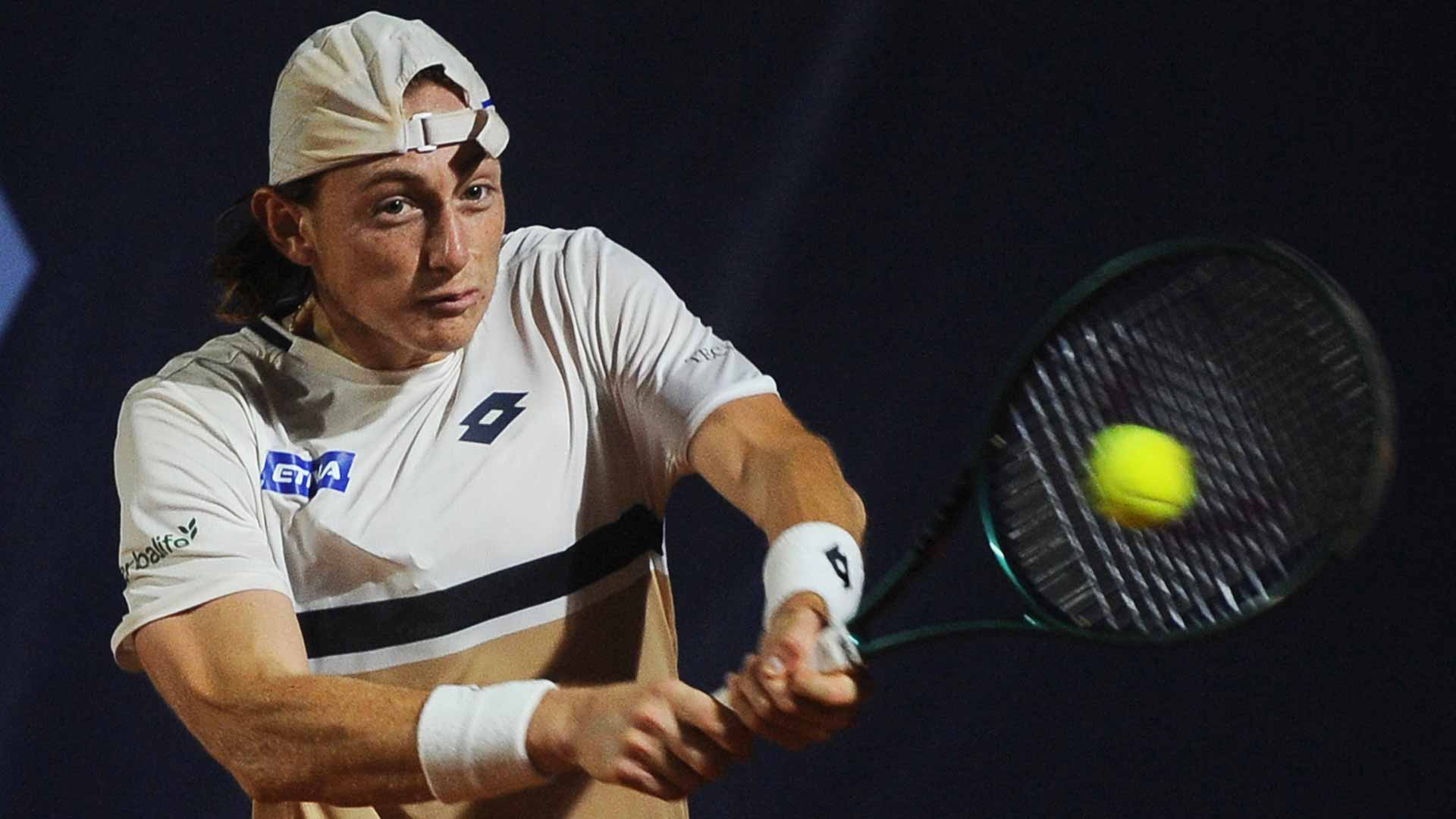
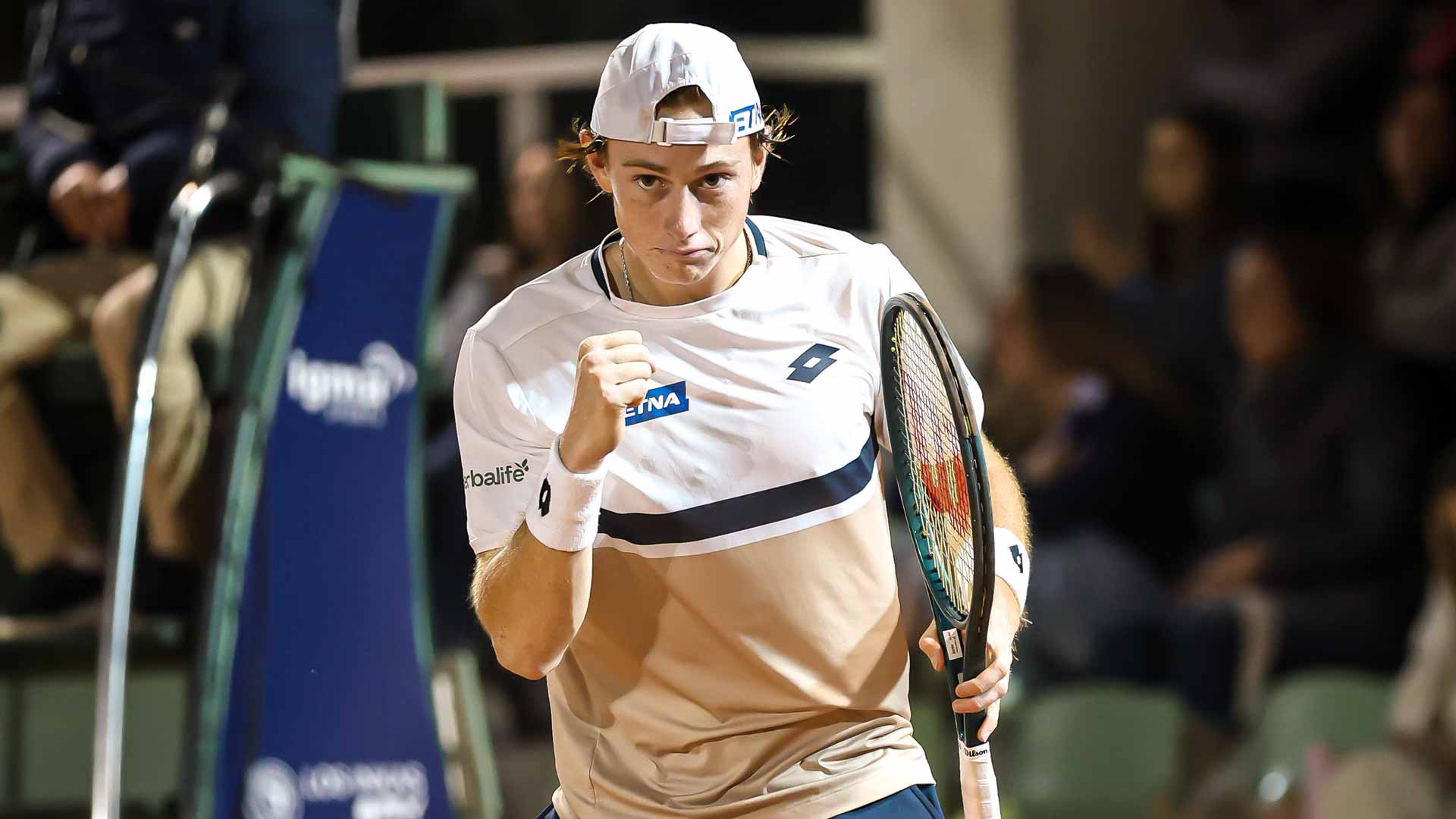
On a mild September day in Lima, south of the city center, Peru’s Davis Cup team battled underdog status against Portugal. A vocal home crowd filled the stands at Estadio Hermanos Buse, the Buse Brothers Stadium honoring Ignacio’s grandfather Eduardo and twin brother Enrique, both former players. Buse delivered the decisive victory over Nuno Borges, his steady crosscourt forehands and patient baseline play clinching the tie on the clay surface that amplified the roar of national celebration.
Family legacy fuels early fire
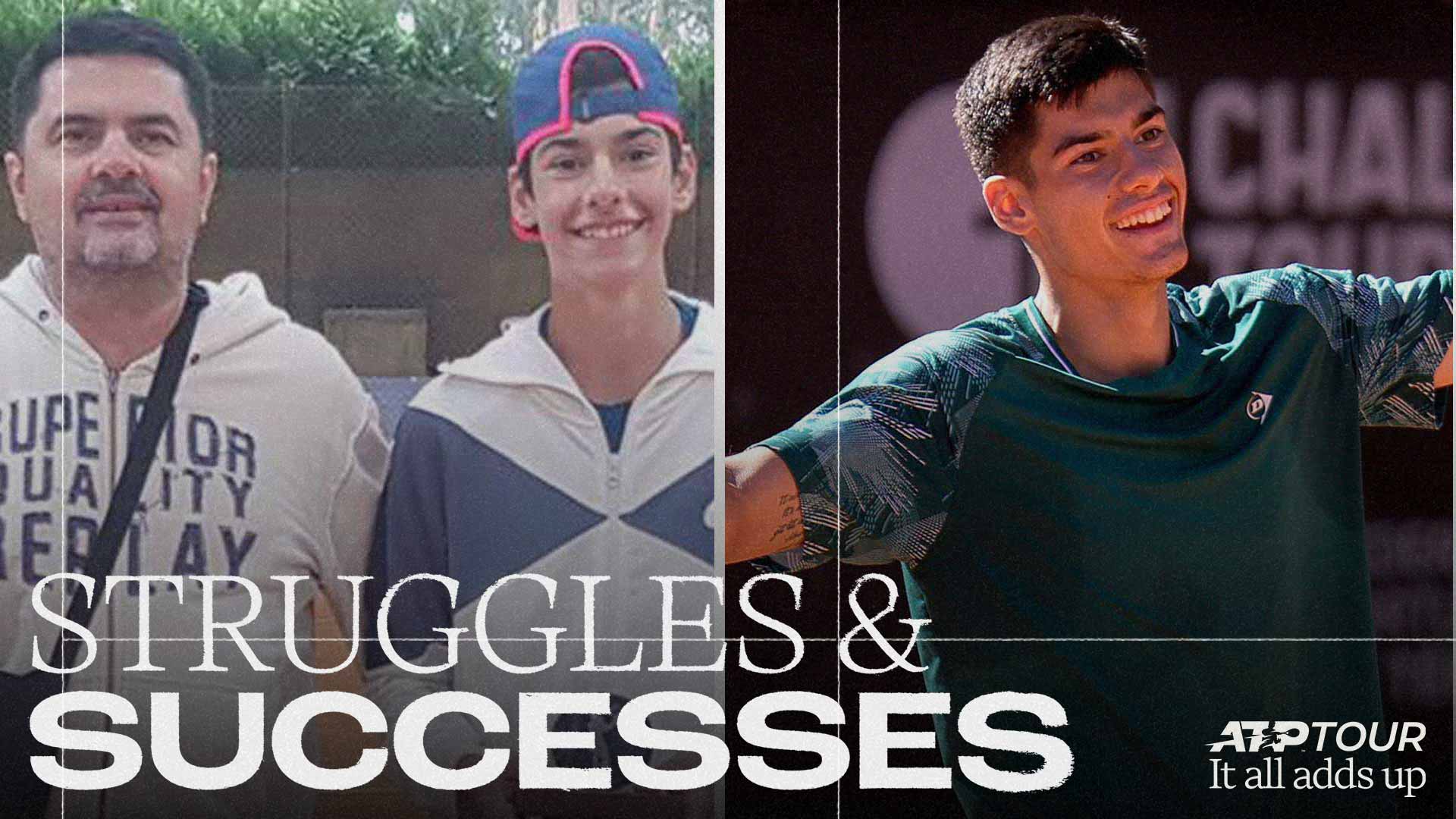
Eduardo Buse first carved the family imprint on tennis in 1942, competing on the grass courts of New York’s West Side Tennis Club at the US National Championships. Ignacio never met his grandfather, yet that pioneering resolve echoed through the generations, shaping a household steeped in the sport’s demands. Buse’s own start unfolded across town at Country Club de Villa, where his father Hans, a coach who shifted to Miami in 2019 to work at Royal Palm Tennis Club, sparked his passion through rigorous drills and playful rivalries.
Those sessions built more than strokes; they instilled a mental toughness essential for navigating varied surfaces and high-stakes moments. As Peru’s top-ranked player at World No. 111 in the PIF ATP Rankings, Buse relies on that foundation amid the Challenger Tour’s grind, where two titles this year highlighted his adaptability—from clay’s sliding rallies to hard courts’ sharp angles.
“I always remember the best moments with my dad,” Buse told ATPTour.com. “Before we started practice, we played mini tennis and that was such a battle for me. Sometimes I was confused with the situation, sometimes getting pissed. My dad just wanted to practice and I was so happy playing mini tennis against him.”
Pro pivot demands bold belief
By his teens, Buse had risen into the junior Top 10, facing a crossroads in 2022 between U.S. college tennis and turning professional. Visa issues blocked the academic path, propelling the 18-year-old into the pros from a nation with only five Top 100 players since 1973—a leap that tested his resolve amid sparse support. His Challenger debut arrived outside the Top 1,400, but in his second event, a home qualifier in Lima, he stretched top seed Federico Coria, a former Top 50 player, to a third set with probing inside-out forehands that disrupted the Argentine’s rhythm.
That near-upset ignited confidence, transforming doubt into drive as Buse honed his game in Barcelona, viewing his father as his chief mentor. The 2025 season began unevenly, with early losses challenging his Top 150 goal, yet steady improvements followed—crisp 1–2 combinations on serve pressuring returns, and underspin slices varying pace to unsettle opponents on faster surfaces.
His maiden Grand Slam at this year’s US Open captured that evolution, where he traded heavy groundstrokes with sixth seed Ben Shelton in New York, using down-the-line backhands to exploit openings before the American’s power prevailed in straight sets. Relocating to Spain sharpened his tactical edge, blending defensive depth with opportunistic net approaches that fueled mid-season surges.
“I was starting to believe in myself that I could do it,” he reflected on that early Challenger push.
“It was like a dream, but it never seemed realistic. I always saw it really far,” Buse said of the pro path. “Then I wanted to go to college and when I couldn’t go to college—basically there was a problem with the residence—there I said, ‘Okay, I will go professional’, when I was 18.”
Ignacio Buse has left his mark in Seville #ATPChallenger | @CopaSevillaCh pic.twitter.com/WIwdw9HkV5
— ATP Challenger Tour (@ATPChallenger) September 6, 2025
Humility grounds rising ambitions
Buse’s parents embedded humility as his guiding principle, a trait he proves through actions rather than words, maintaining poise whether facing top seeds or underdogs. This mindset sustains him through the tour’s physical toll, from South American clay swings to European hard-court battles, where he adjusts mid-match—luring aggressive returns with drop shots before countering with inside-in winners.
The Davis Cup triumph over Borges exemplified this balance: a 68% first-serve rate paired with 42 winners, mostly crosscourt, turned the rubber into a statement of controlled aggression on the family stadium’s forgiving court. As he eyes wrapping 2025 inside the Top 150, Buse extends that philosophy to his wider family, admiring uncle Gaston Acurio, the renowned chef whose foundation aids aspiring cooks in Peru, training them for global opportunities without seeking acclaim.
“First of all, always be humble,” Buse emphasized. “I learned it from my dad and mom also. I don’t think saying you’re humble means you are humble. You have to demonstrate with facts. It has to be natural.
“If you are known more in the world, that doesn’t mean you are above the others. That’s the most important thing. That’s why sometimes society is confused in those terms. I feel that we all have the same importance.”
“He’s not my idol just because of how he cooks or whatever, but he always wants to help people,” Buse said of Acurio. “He has a foundation in Peru for the people that want to be a chef who have no money. He helps him, forms them and then they work in a restaurant around the world.
“For me, what he does there is an example that he not only cares about the world, but also about humanity.”
With Christmas nearing, Buse anticipates a family feast featuring Acurio’s grandmother-rooted recipes, a joyful pause to savor the year’s breakthroughs like his June Heilbronn Challenger title, won with tactical patience and explosive forehands under the sun.
“It’s like an event,” he said. “He’s such an amazing chef. It’s always so delicious. He made all his recipes and a lot of his recipes came from his grandmother that I didn’t get to meet.”
“If you would have told me that today I would be at the ranking I am, I would tell you that I don’t believe you. I wanted to end in the Top 150, more or less,” Buse admitted. “It was the goal we set. I think the start of the year was not as we imagined, but we managed to keep improving, keep believing in the process.”
That process, rooted in family echoes and personal grit, positions Buse to carry Peru’s hopes further, his game evolving with the quiet assurance that turns underdog tales into enduring legacies on courts worldwide.