Prado Angelo Feels the Aura of Tennis’s Elite

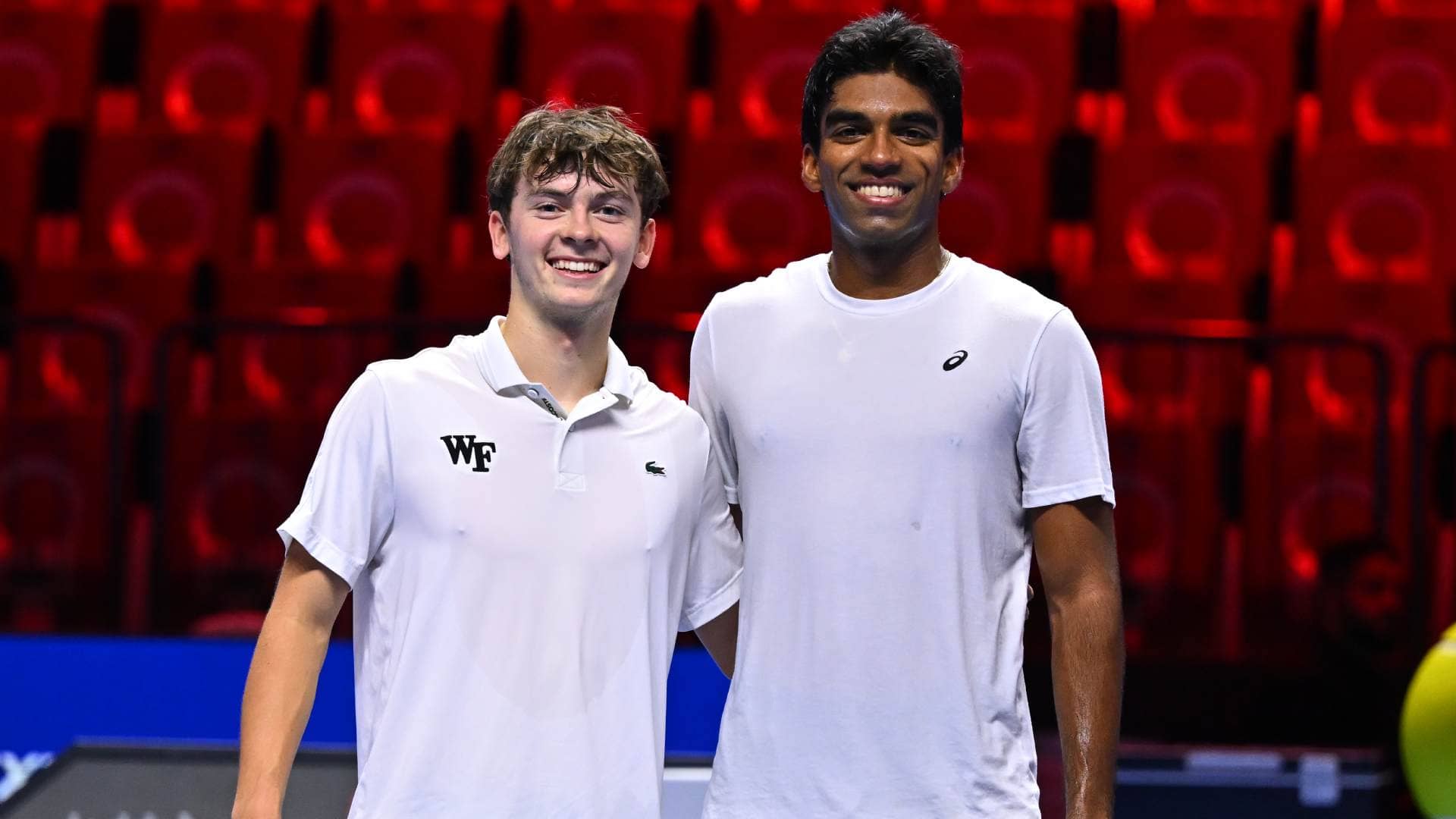
From Bolivian football fields to indoor rallies in Jeddah, Juan Carlos Prado Angelo chases the intangible edge he first sensed trading shots with Jannik Sinner and Carlos Alcaraz. As an alternate at the Next Gen ATP Finals, his aggressive forehand drives ambitions toward Grand Slam qualifiers and a top-200 breakthrough.
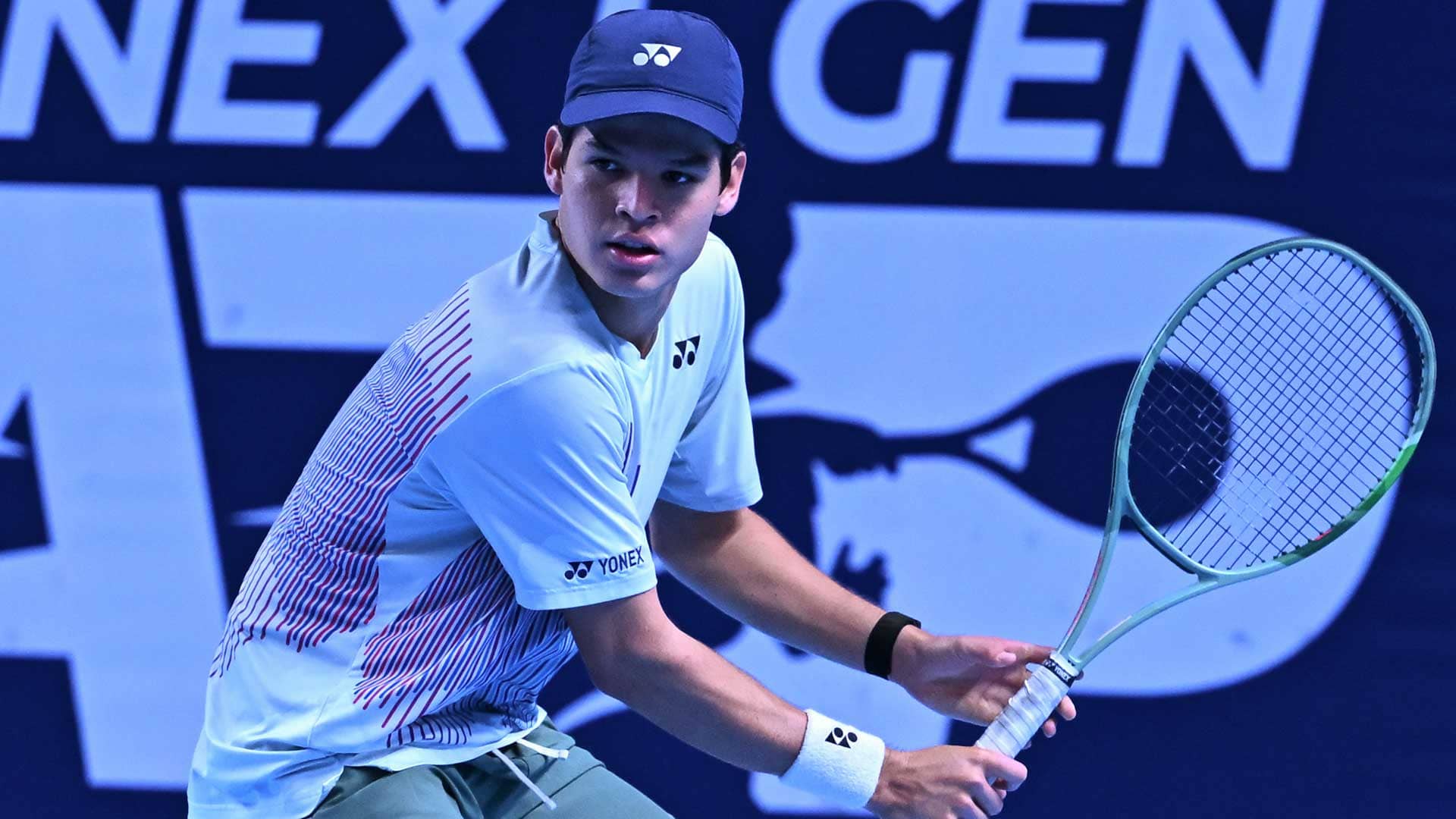
Juan Carlos Prado Angelo still remembers the moment it all felt different. Racquet in hand, trading groundstrokes with Jannik Sinner and Carlos Alcaraz, the young Bolivian sensed something beyond pace, power or technique.
That electric session unfolded in 2024 at the Nitto ATP Finals, where he stepped in as a sparring partner amid the year’s brightest lights. For the then-19-year-old, those rallies unpacked how elites blend heavy topspin with inside-out forehands to dictate points, absorbing the 1–2 punch of serve followed by deep crosscourts.
“Alcaraz and Sinner are something different, something special,” Prado Angelo said in Jeddah. “You feel their aura. You feel nervous, but it’s a really good experience. It is memorable. It was the ‘Wow’ moment I had been waiting for.”
Football’s pull yields to tennis’s grip
Now serving as an alternate at the 2025 Next Gen ATP Finals presented by PIF in Jeddah, the World No. 209 Prado Angelo stands among rising talents, his path a stark contrast to the football-dominated childhood that nearly derailed it all. Thirteen years into the sport, he navigates constant travel and adaptation, far from Bolivia’s sun-baked fields where soccer held sway. The shift demanded early sacrifices, turning casual hits into full commitment that tested his resolve from the start.
He started playing at seven and a half, a surprise since no one in his family touched a racquet. They had just moved to a place with a court, and from there it began. Like many South American kids, his schedule revolved around football, with tennis squeezed into the gaps.
By ages 11 or 12, the dual pursuits clashed, football’s team rhythms pulling against tennis’s solitary intensity, forcing a choice that echoed through his developing game. He split days—football on Mondays, Wednesdays, Fridays; tennis on Tuesdays and Thursdays. Tennis felt intuitive at first, and he was good, so it hooked him deeper.
His coaches from both sides pushed for a decision, and his father nearly lost it when he picked the racquet. Bolivia runs on football passion, but Prado Angelo chose tennis, inspired by Roger Federer’s fluid backhands and net approaches. That pivot meant mastering slice serves on clay-heavy courts, where low bounces rewarded his budding forehand drive.
A coach’s steady hand shapes aggression
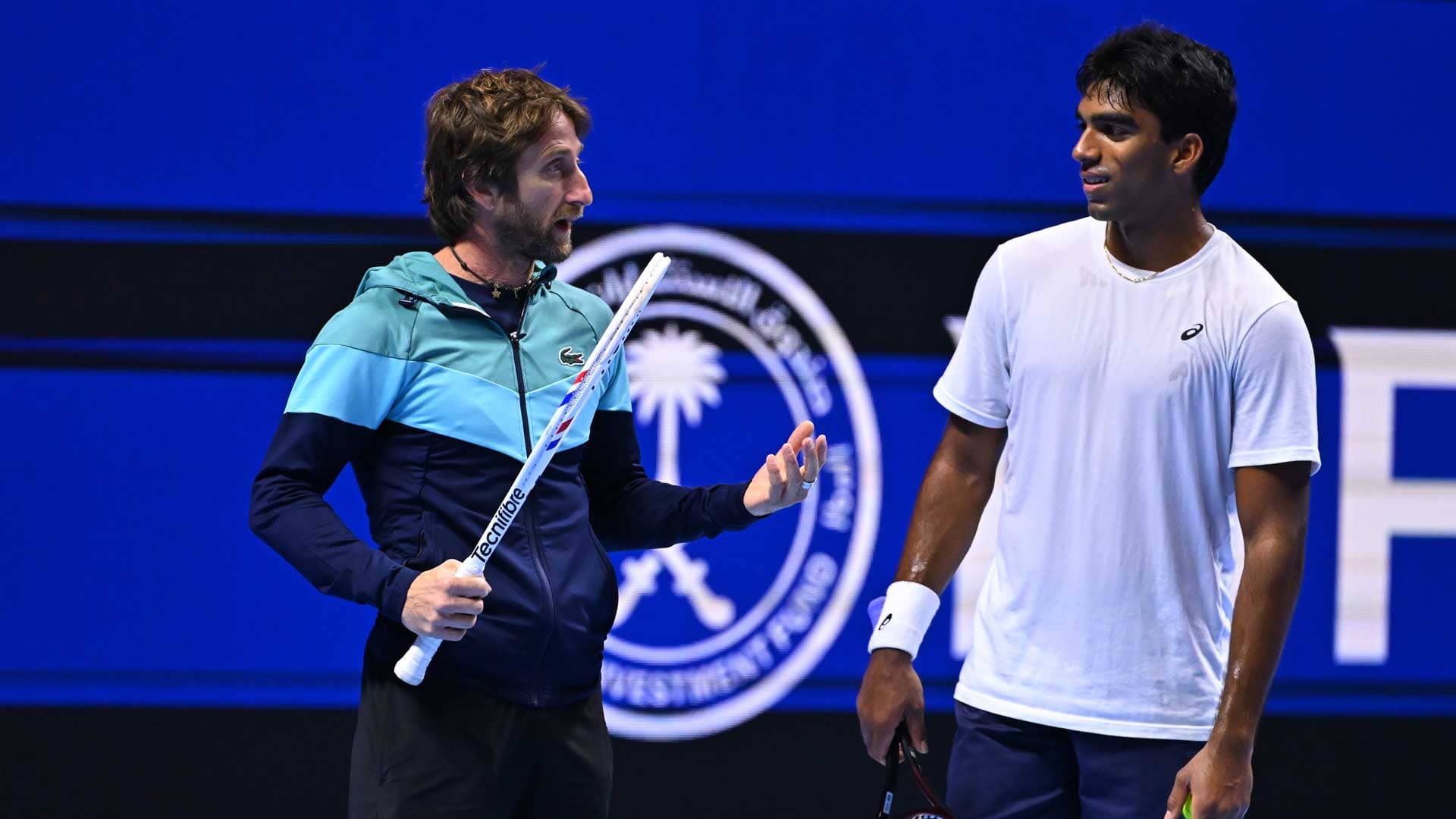
Central to his progress is the enduring bond with Hermann Ritter, who runs an academy in Santa Cruz and has guided him since the beginning. Ritter’s drills emphasize Prado Angelo’s forehand as a weapon, loading it with topspin for down-the-line winners or flattening it for inside-in surprises. This consistency lets him focus on matchup specifics, like countering lefty serves with early takes.
At 14, qualifying for European events sharpened his game against varied paces. He skipped many under-16 locals, jumping to ITFs, where surface shifts—from red dirt to hard courts—demanded quick footwork and spin adjustments. Those early battles built a foundation in reading tendencies, much like the aura he later felt against Sinner’s flat returns.
While Santa Cruz remains home, Prado Angelo now trains half the time in Argentina, immersing in high-level competition with a tight-knit peer group. Daily sessions there elevate his level, as seen in his Challenger title in Lima, where clay suited his heavy balls but required stamina for longer rallies. Those hits mimic elite pressures, preparing him for the points needed to crack the top 200.
In Jeddah, he keeps the eight competitors sharp, hitting with players known since childhood. He recalls under-14 battles and a tight loss to Prizmic in the Roland Garros boys’ singles final of 2023, where clay’s grip forced aggressive net play to break stalemates. These rivalries blend old grudges with new indoor tweaks, turning practice into a proving ground.
Indoor edges fuel Grand Slam ambitions
Not used to enclosed play, Prado Angelo adapts to Jeddah’s fast indoor hard courts, where the ball’s tempo quickens without South America’s humid breeze. He shortens swings on quicker points, testing underspin slices for defense and forehand angles for offense. Training with Next Gen contenders highlights their prowess in quick redirects and drop shots, areas for his growth.
The immediate calendar looms large: Australian Open qualifying beckons, sandwiched between European Challengers and Davis Cup duties. Each event piles on recovery and refocus, with hardcourt speed rewarding his power but punishing unvaried patterns. He mixes crosscourt lobs with inside-out drives to build versatility.
His goals center on playing all four Grand Slams, pushing inside the top 200 and holding it. Starting bigger tournaments, like the ATP event in Santiago, would suit his topspin on clay, letting him extend rallies into one–two setups that wear down baseliners. A deep qualifier run nets points, a Challenger title adds more, compounding toward stability.
The Next Gen atmosphere, with pro-level treatment, eases isolation, yet the alternate role sharpens his hunger. He thrives in the camaraderie, sharing dinners and drills that build resilience. For this 20-year-old from football’s heartland, the trajectory feels electric, his forehand carrying Bolivia’s dreams as he heads back to South America before Australia, ready to turn ‘wow’ moments into his own weapons.