Fonseca Measures Up to Sinner’s Fire in Indian Wells

Joao Fonseca’s tight battle with Jannik Sinner at the BNP Paribas Open reveals a young Brazilian ready to chase the sport’s elite, even if the tiebreaks slip away.

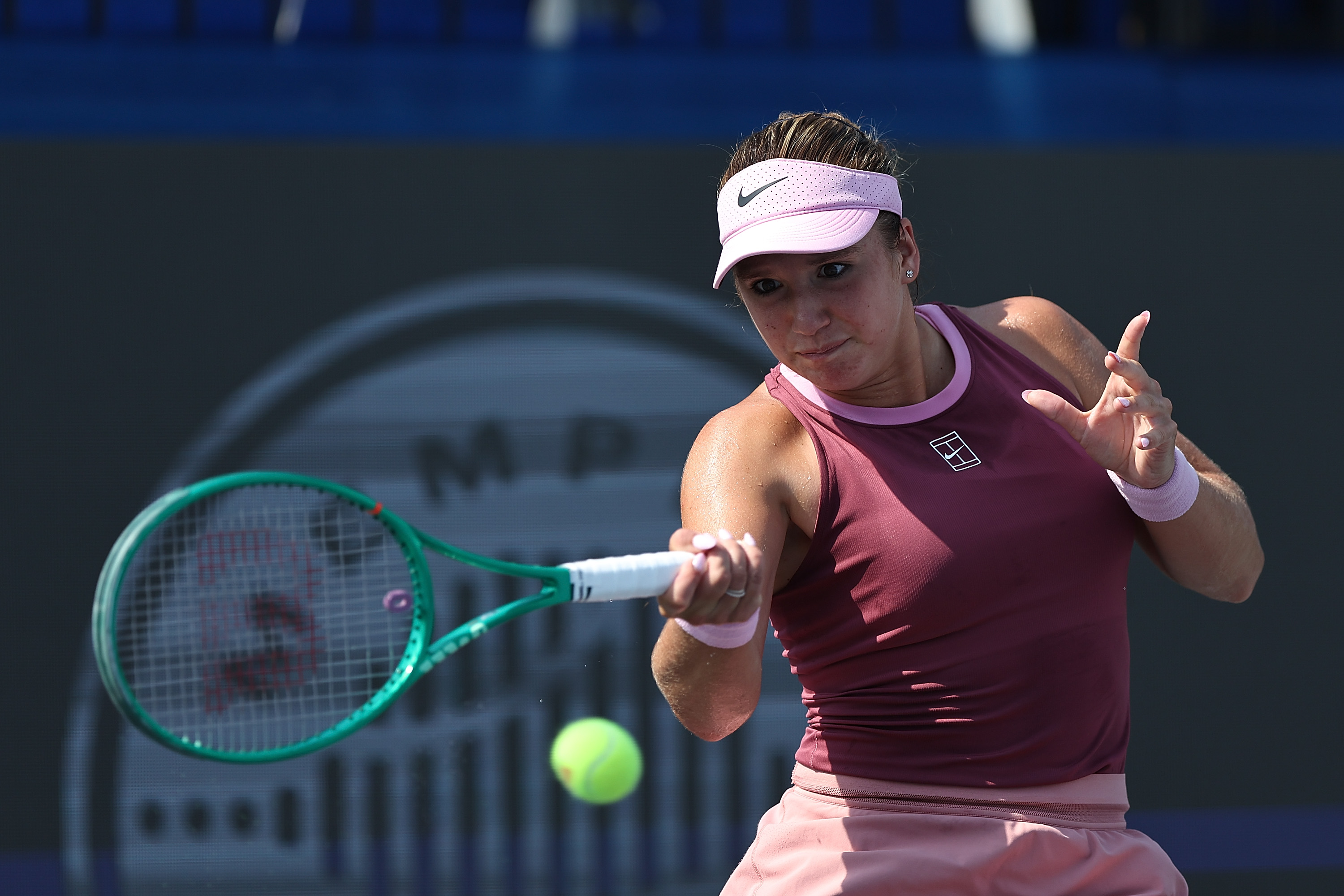
In the shadow of palm trees and under the relentless California sun, Joao Fonseca stepped onto the court at the BNP Paribas Open carrying a question that’s echoed since his breakthrough win in Rio de Janeiro in 2024: Can this Brazilian teenager challenge the dominance of Carlos Alcaraz and Jannik Sinner? On Tuesday, he got his answer in a grueling 7-6(6), 7-6(4) defeat to the World No. 2, but at 19, Fonseca left the stadium buzzing with conviction that his game belongs in their orbit. The tiebreaks told a story of near-misses and mounting intensity, where every point felt like a referendum on his ascent.
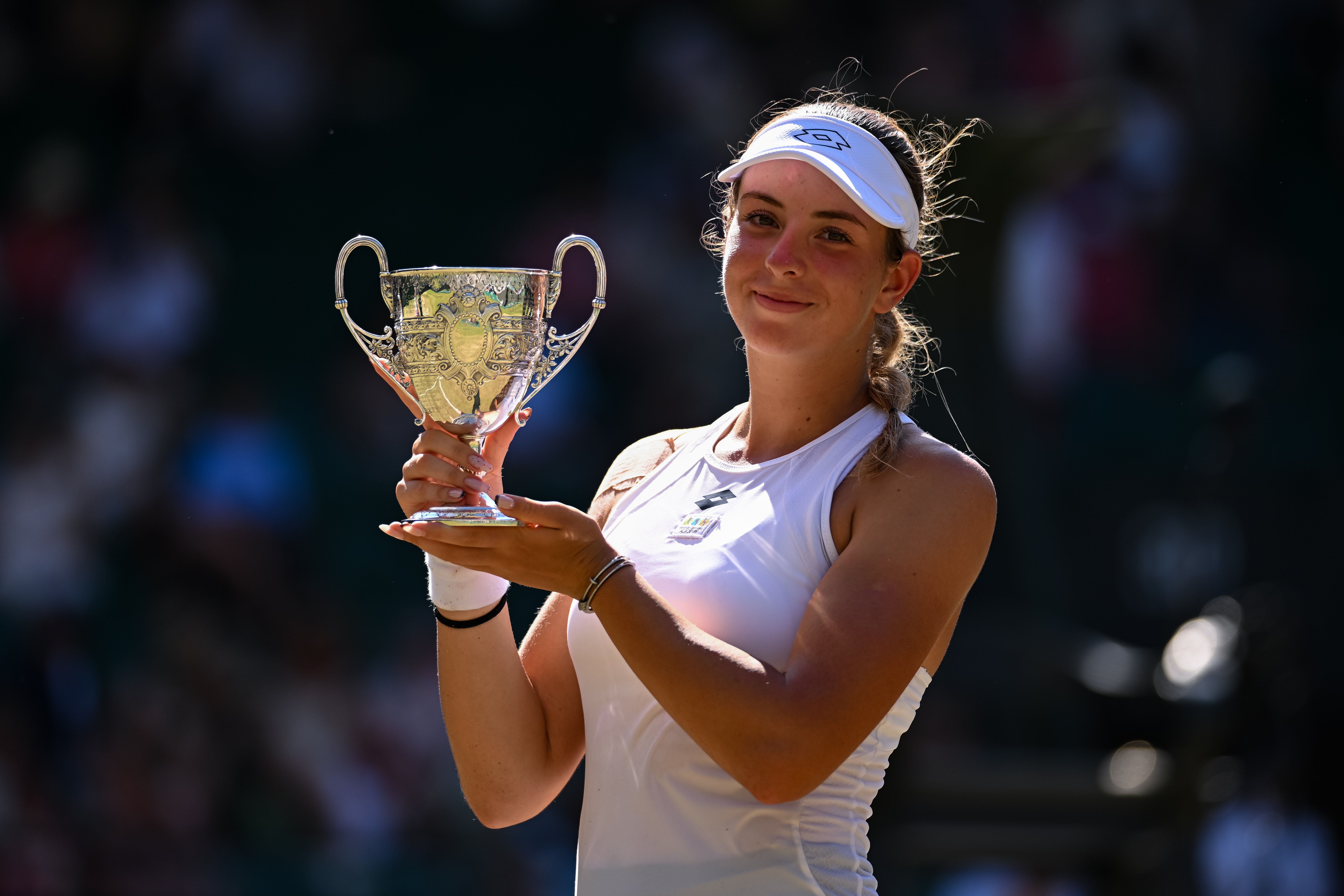
Fonseca’s path to this moment built on a foundation of rapid gains. He capped 2024 by winning the Next Gen ATP Finals as an 18-year-old, joining Alcaraz and Sinner as the only teens to claim the title. Momentum carried into 2025 with trophies in Buenos Aires and Basel, titles that sharpened the spotlight on his potential to disrupt the top tier.
“I can play against them. I can do some great matches. But there are always the little things, the little important things that you need to work every day,” Fonseca said.
“I mean, those little details are just super important, like when he played the important points, how he deals with it. So of course I still need a lot of experience, but I think the level is still there. Of course, I can play against them. [There are] many more things to improve, but I feel happy the way that I played, because I felt the level was pretty close today.”
Season’s grind forges mental steel
The weight of expectations pressed harder this week in the desert, where Fonseca reached the fourth round of an ATP Masters 1000 for the first time. Ranked No. 35 in the PIF ATP Rankings, he dispatched Tommy Paul in straight sets, saved two match points to beat Karen Khachanov, and breezed past Raphael Collignon in the opener. Each win layered confidence, but facing Sinner crystallized the season’s toll—a calendar blending South American clay echoes with European hard-court sprints, all under the gaze of a tour hungry for the next big thing.
Psychologically, the buildup tested his edges. Losses sting, yet this one refined his outlook, turning hype into fuel without letting it overwhelm. The crowd’s murmurs during his earlier victories gave way to tense silence in the tiebreaks, mirroring the internal push to stay locked in amid the pressure.
Tiebreaks expose clutch edges
On court, the match pulsed with tactical exchanges on the hard surface, where true bounces demand precision. Fonseca grabbed three set points at 6/3 in the first tiebreak, his crosscourt forehands landing heavy to stretch Sinner wide. But the Italian countered with inside-out backhands, pinning him deep and converting on a down-the-line winner that flipped the set 7-6(6), the ball’s thud echoing off the stands.
The second set built similar tension, Fonseca leading 4/3 in the breaker after a sharp one–two: a low slice serve followed by an inside-in forehand. Sinner reset with serve-volley rushes and underspin approaches, forcing errors to seal 7-6(4). These moments highlighted the hard court’s speed, where Fonseca’s topspin-heavy rallies met Sinner’s flat penetration, shortening points and amplifying the need for flawless focus.
Fonseca later broke down his opponent’s command in those spots. He noted how Sinner ramps up serve pressure, winning key points with aces and heavy groundstrokes that demand constant readiness. “I think he puts a lot of pressure… He won a lot of points serving, a lot of important points. I would say he puts a lot of pressure every time when he’s nervous. When he’s tight, he puts a lot of pressure. Doesn’t matter the time. He hits the ball strongly,” the Brazilian observed.
Intensity lessons propel the chase
The air thickened with each missed chance, the desert heat mirroring the match’s rising stakes. Sinner’s ability to thrive when tight—bombing serves and varying with drop shots—created a tempo Fonseca matched in extended rallies but couldn’t quite seize in deciders. This first ATP head-to-head debut underscored the gap in experience, yet the 19-year-old’s poise on these faster courts signals adaptations ahead, like flattening shots to counter elite defenses.
Reflecting post-match, Fonseca embraced the positives over disappointment. “You can feel the ball, just heavy. That’s a thing that I felt, the intensity of the game. it’s all the games, 100 per cent, you need to be always ready, always focused. That’s the main difference, I think the intensity, the way that he plays important points,” he said. His run ends here, but the belief endures: with refined clutch play, he’s closing in on that elite confrontation, tour stops like Basel looming as fresh proving grounds.
“As a tennis player, I can say that when we lose, we kind of feel sad or disappointed sometime, trying to figure out what I did right, what I did wrong. But of course I’m happy the way that I played,” Fonseca added. For him, crediting the opponent after a strong effort keeps the fire lit, positioning this narrow loss as a step toward tilting future scales against the top duo.