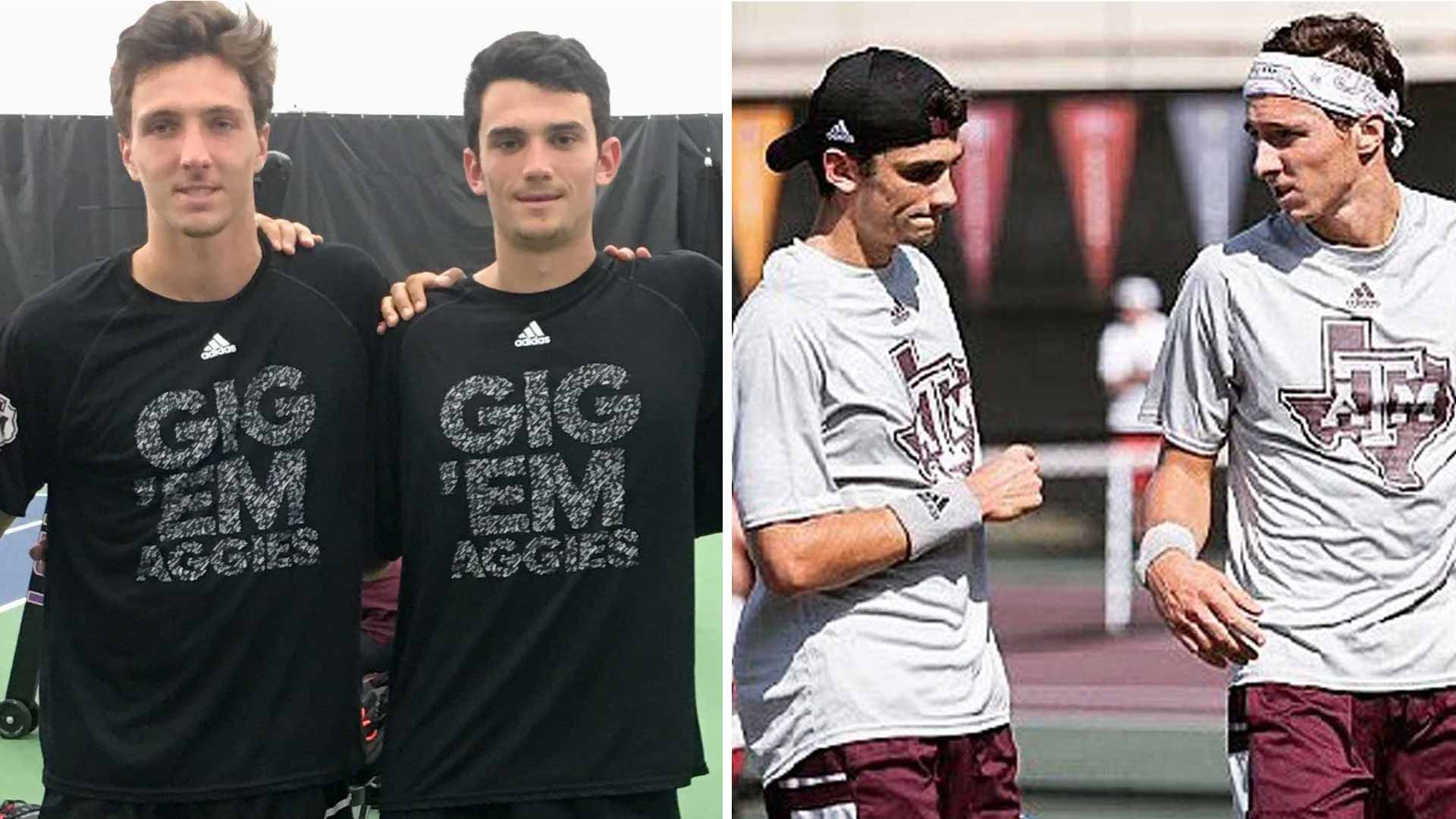
Cousins return to Paris with Shanghai’s glow

Valentin Vacherot and Arthur Rinderknech, bound by blood and a unforgettable final, step into the Paris Masters as wild cards, their recent triumph fueling ambitions on the indoor hard courts.
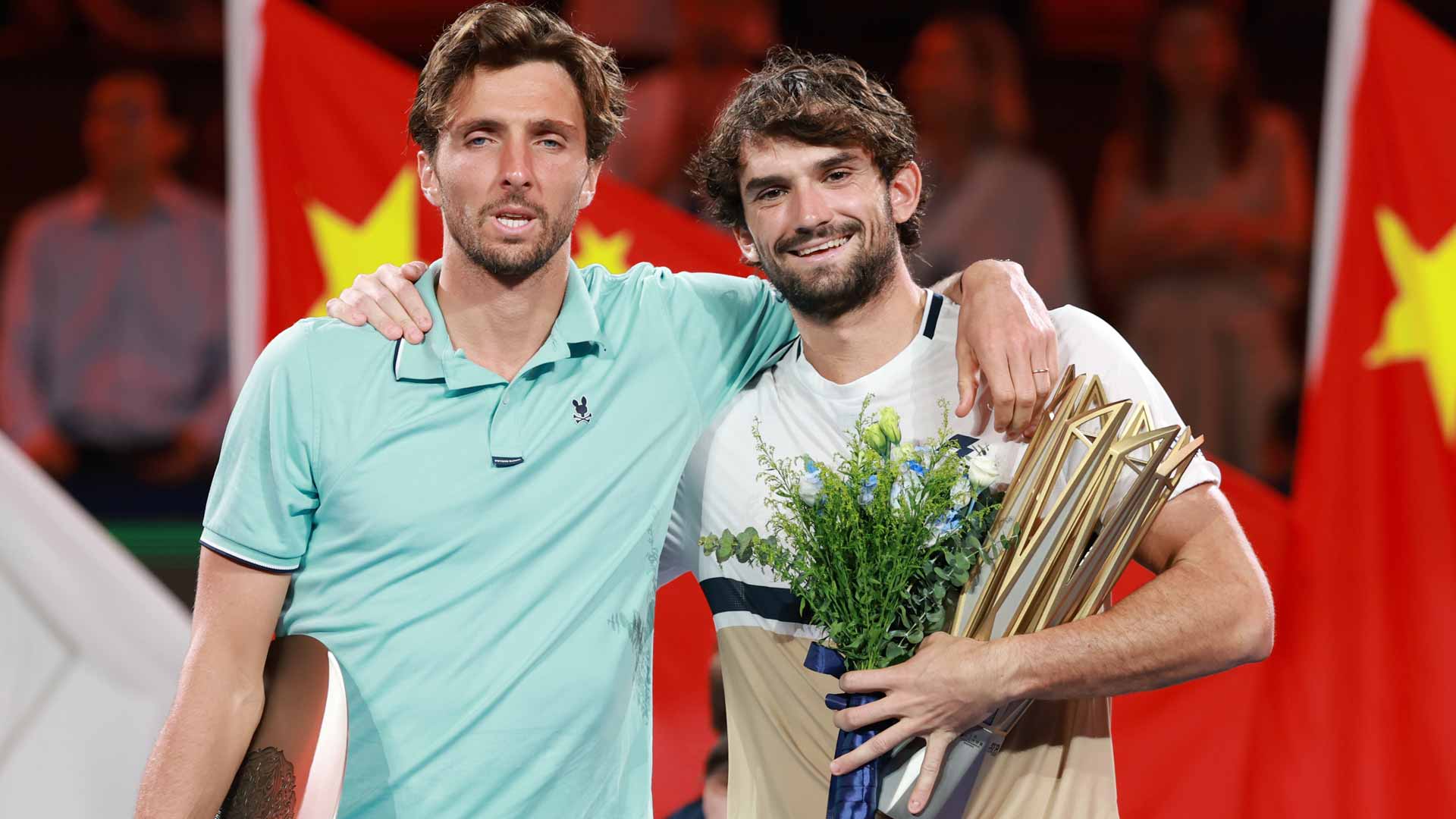
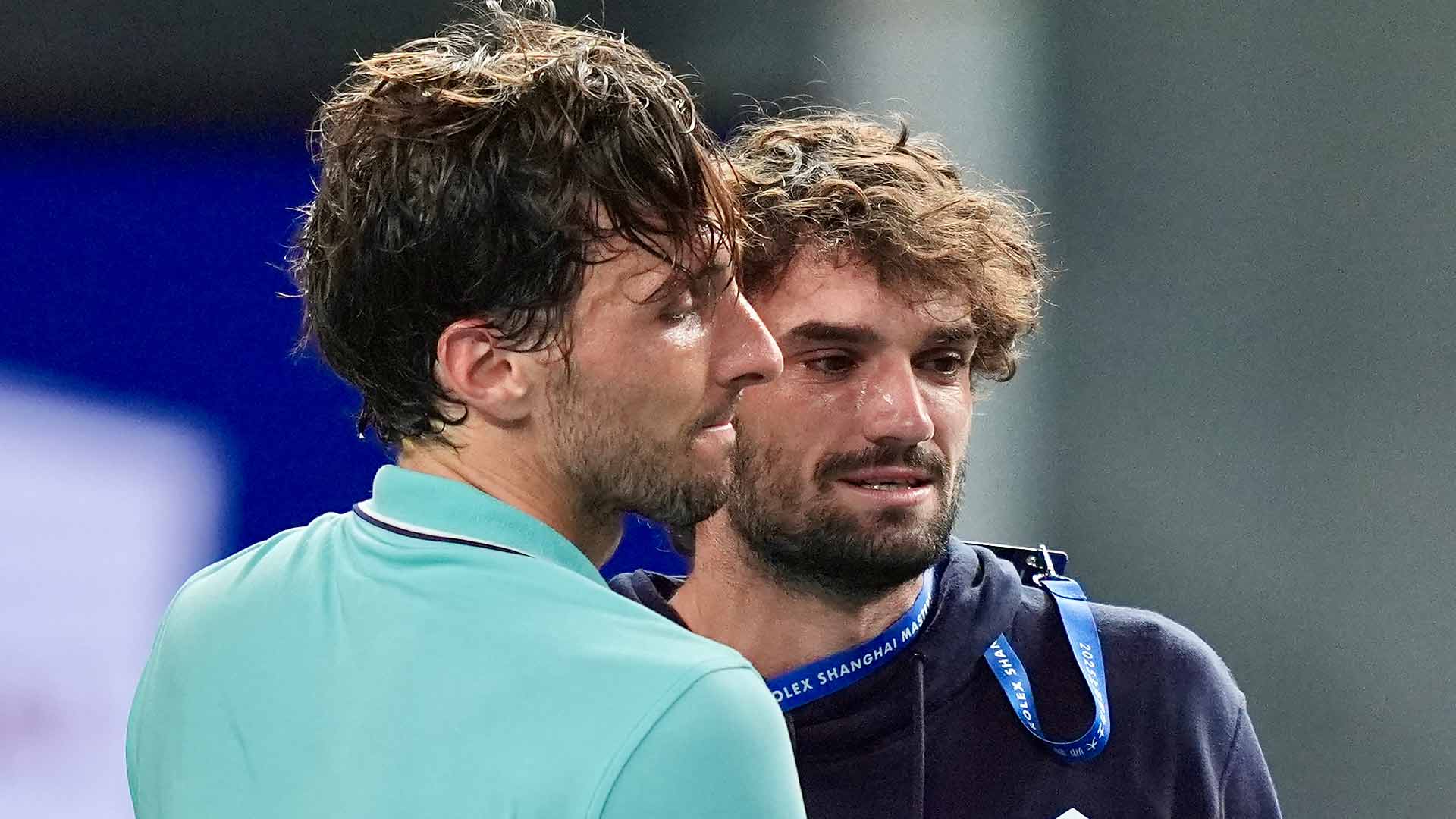
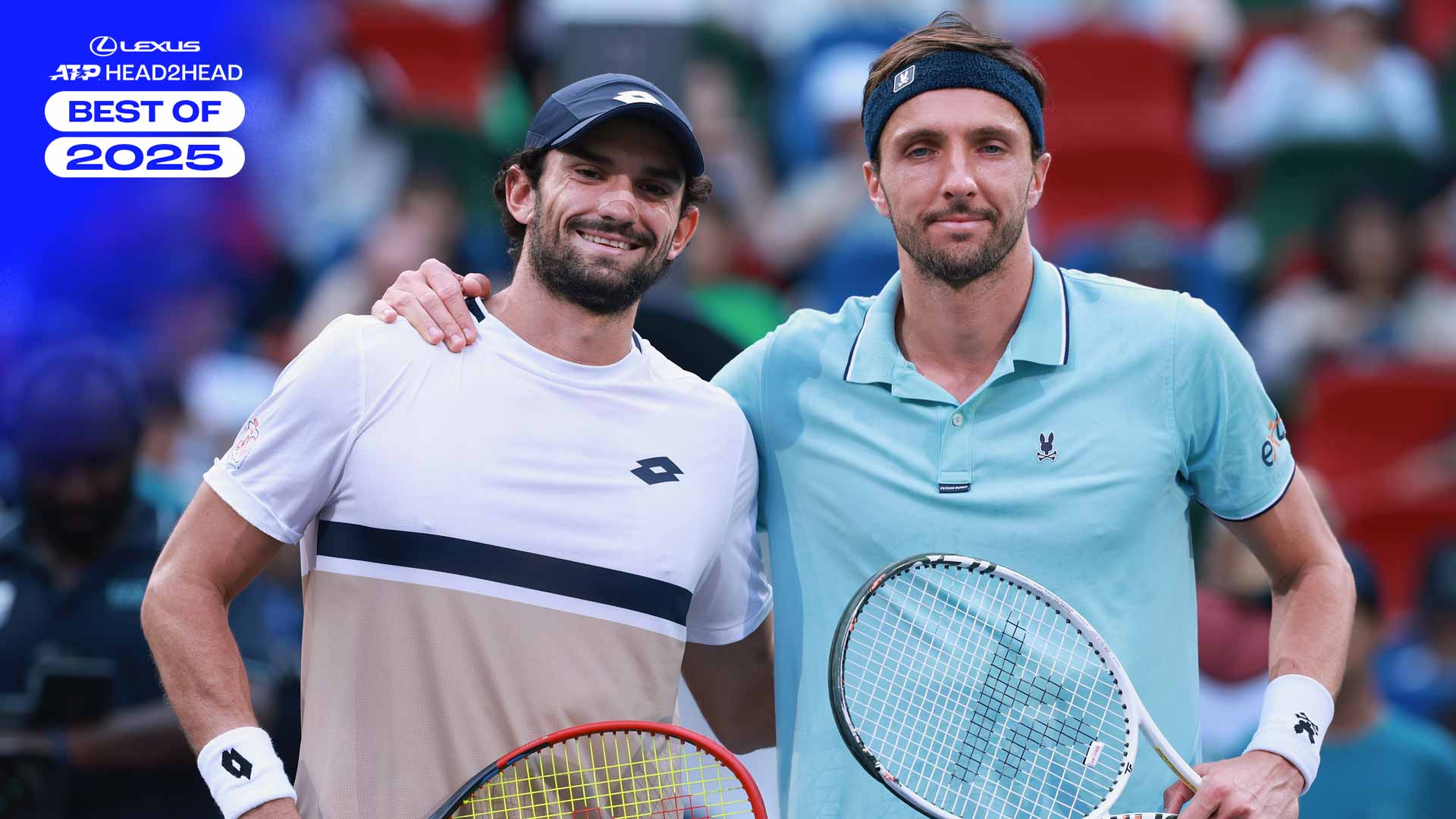
The autumn chill of Paris awaits, but the warmth of Shanghai’s family drama still propels Valentin Vacherot and Arthur Rinderknech forward. Their cousinly final there, a season highlight blending fierce competition with shared heritage, saw Vacherot claim the title while Rinderknech fought to the last point. Now, less than two weeks later, both headline the wild cards for the Paris Masters main draw, announced by organizers on Tuesday, pulling them back into the ATP Masters 1000 fray.
Adapting triumph to indoor pressure
Vacherot enters this event for the first time, his game honed on Shanghai’s outdoor surfaces now facing the quicker indoor bounce that demands sharper reflexes. From world No. 204 at the Shanghai victory, he has climbed to a career-high No. 39, each match building the tactical depth to redirect crosscourt rallies into down-the-line winners. The psychological edge from that win sharpens his focus, yet Paris’s confined atmosphere tests whether he can sustain the one–two combinations that overwhelmed his cousin under brighter skies.
Rinderknech, with a 2-3 record at the Paris Masters, draws on venue familiarity to counter the surface shift, emphasizing deeper returns to neutralize aggressive serves. Their Shanghai clash revealed Rinderknech’s resilience in extended rallies, but indoors, he must refine underspin defenses to handle the ball’s lower trajectory. This wild card spot amplifies the stakes, turning personal history into a narrative of redemption amid the season’s closing rush.
French underdogs join the main draw
Arthur Cazaux and Terence Atmane also secure main draw wild cards, bolstering France’s presence on home soil. Atmane’s run to the Cincinnati semifinals as a qualifier, where he fell to Jannik Sinner after gritty qualifiers, showcased his ability to build pressure with inside-out forehands on slower courts. In Paris, he adapts that tenacity to the faster pace, positioning returns tighter to exploit any serve hesitations from higher seeds.
Cazaux brings athletic baseline play suited to the indoor tempo, his net approaches adding variety to prolonged exchanges. These entries create a French core in the draw, where crowd energy could ignite upsets, echoing the emotional lift Vacherot and Rinderknech carry from Shanghai. The duo’s paths might intersect early, weaving national pride into tactical battles over every point.
Qualifying wild cards chase breakthroughs
Ugo Blanchet, Hugo Gaston, Pierre-Hugues Herbert, and Kyrian Jacquet earn wild cards into qualifying, where the grind tests emerging resolve against seasoned foes. Gaston relies on crafty slices to disrupt rhythms, converting practice patterns into match-winning down-the-line passes under the arena lights. Herbert, blending doubles instincts with singles aggression, counters fatigue with precise volleys at the net.
Blanchet and Jacquet embody the persistence of young talents, their bids hinging on error-free returns and varied serves to navigate the draw’s early chaos. As the Paris Masters unfolds, these French hopefuls transform wild card opportunities into potential sparks, revealing who channels late-season pressure into lasting momentum on courts that reward bold adaptation.