Djokovic Endures to Chase Turin Glory

At 38, Novak Djokovic navigates a grueling season’s end, where mental steel and tactical finesse keep him in the hunt for another ATP Finals triumph amid tightening rankings pressure.
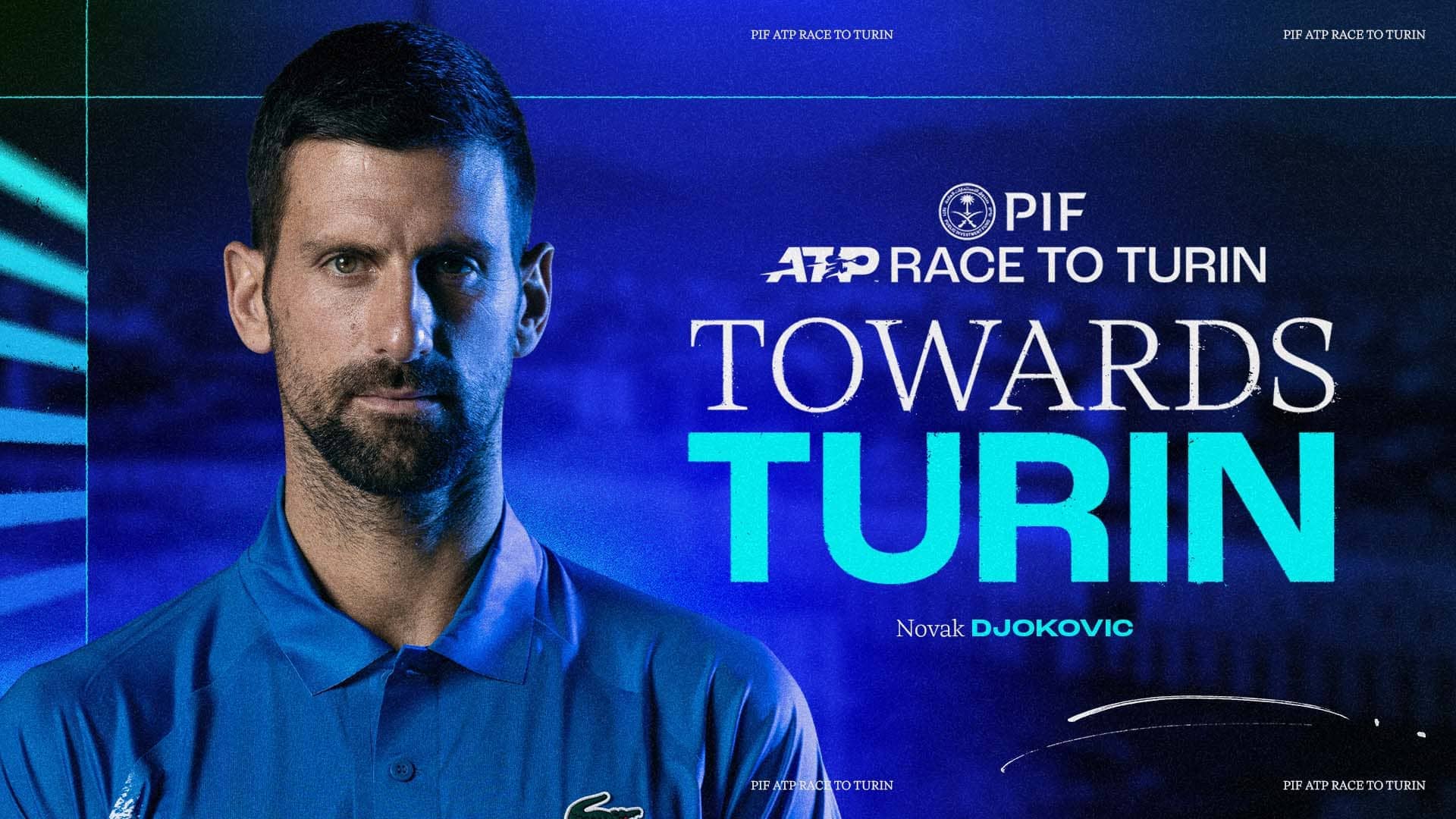
Under the autumn lights of the Rolex Paris Masters, Novak Djokovic strides onto the court with the seasoned poise of a player defying time. The 38-year-old Serb, fresh from Olympic gold in Paris, shoulders a year of highs and hurdles—injuries that forced withdrawals from Cincinnati and a straight-sets loss to Jannik Sinner in Beijing. As the PIF ATP Live Race to Turin intensifies, his pursuit of an eighth Nitto ATP Finals berth hinges on blending enduring resolve with precise adjustments, the crowd’s murmurs underscoring each deliberate step.
Mental fatigue forges sharper focus
The season’s relentless calendar has etched lines of calculation into Djokovic’s mindset, a mix of defiance after adapting from clay’s marathons to hard courts’ bursts. He describes the psychological wear from constant shifts, yet this chase renews him, transforming strain into a honed edge that propels deeper returns and sustained crosscourt exchanges. Spectators feel the quiet intensity in his measured footwork, the arena’s hush breaking with a down-the-line backhand that pierces defenses, signaling his refusal to fade.
With Turin qualification dangling, Djokovic holds fourth in the race, trailing leader Sinner by 1050 points, each match a test of legacy. He draws from past Finals, where roaring crowds fueled his aggression, to counter the solitude of recovery sessions, skipping Basel to preserve energy for the crescendo. This tactical pause masks his fire, as opponents sense the aura in a topspin forehand looping crosscourt before an underspin drop shot claims the point.
“it’s been a tough year mentally, with the Olympics and all the travel, but that’s what keeps me going—the fight to stay at the top,” Djokovic reflected amid the Paris energy.
Indoor shifts demand game evolution
Paris’s enclosed hard courts quicken the pace, prompting Djokovic to refine his arsenal against sharper bounces and low skids. He favors inside-out forehands to stretch aggressive rivals, his slice backhand with underspin disrupting flat power hitters and reclaiming control from the backline. Earlier clay swings slowed his one–two serve-forehand combo, demanding endurance over explosion; now, these tweaks align him for Turin’s similar surfaces, where efficient court coverage turns defense into dominance.
The draw’s power players test his depth, ramping up returns to neutralize big serves and following with inside-in strikes on flat-footed foes. Net approaches rise on this quicker deck, volleys converting pressure into points with subtle touch. He varies heights against heavy topspin, low slices forcing rise-ball errors, his patient point-building drawing impatient advances into lobs that hang in the arena’s echo.
Race math fuels calculated risks
Qualification’s equation presses Djokovic to reclaim points from last year’s deep runs while repelling top-10 climbers, a solid Paris haul of 500 to 1000 points potentially closing the gap. His 50-10 record veils the grind of rebuilding post-Geneva retirement, family and routine anchoring him against burnout. Baseline rallies thud with unyielding intent, crosscourt wearing down foes before down-the-line finishes, each win reshaping the race’s tight contours.
“The race is tight, but that’s what drives me—finding ways to adapt and win on any surface,” he added, voice carrying the weight of experience. As the indoor swing peaks, his adaptability promises to affirm elite longevity, Turin beckoning as both proving ground and pinnacle. For deeper tour insights, explore navigation links, or connect via icon-facebook, icon-x, icon-instagram, icon-youtube, and icon-tiktok. All content respects copyright from 1994 to 2024 by ATP Tour, Inc., with permissions governed by Terms & Conditions, Privacy, Community Social Media Policy, Modern Slavery Statement, Feedback, Cookies, and Your Privacy Choices.