Cilic’s 600th Win Echoes a Relentless Career

Marin Cilic’s straight-sets dispatch of Learner Tien at the Nexo Dallas Open clinches his 600th tour-level victory, a hard-fought marker of endurance that bridges two decades of ATP battles and personal triumphs.
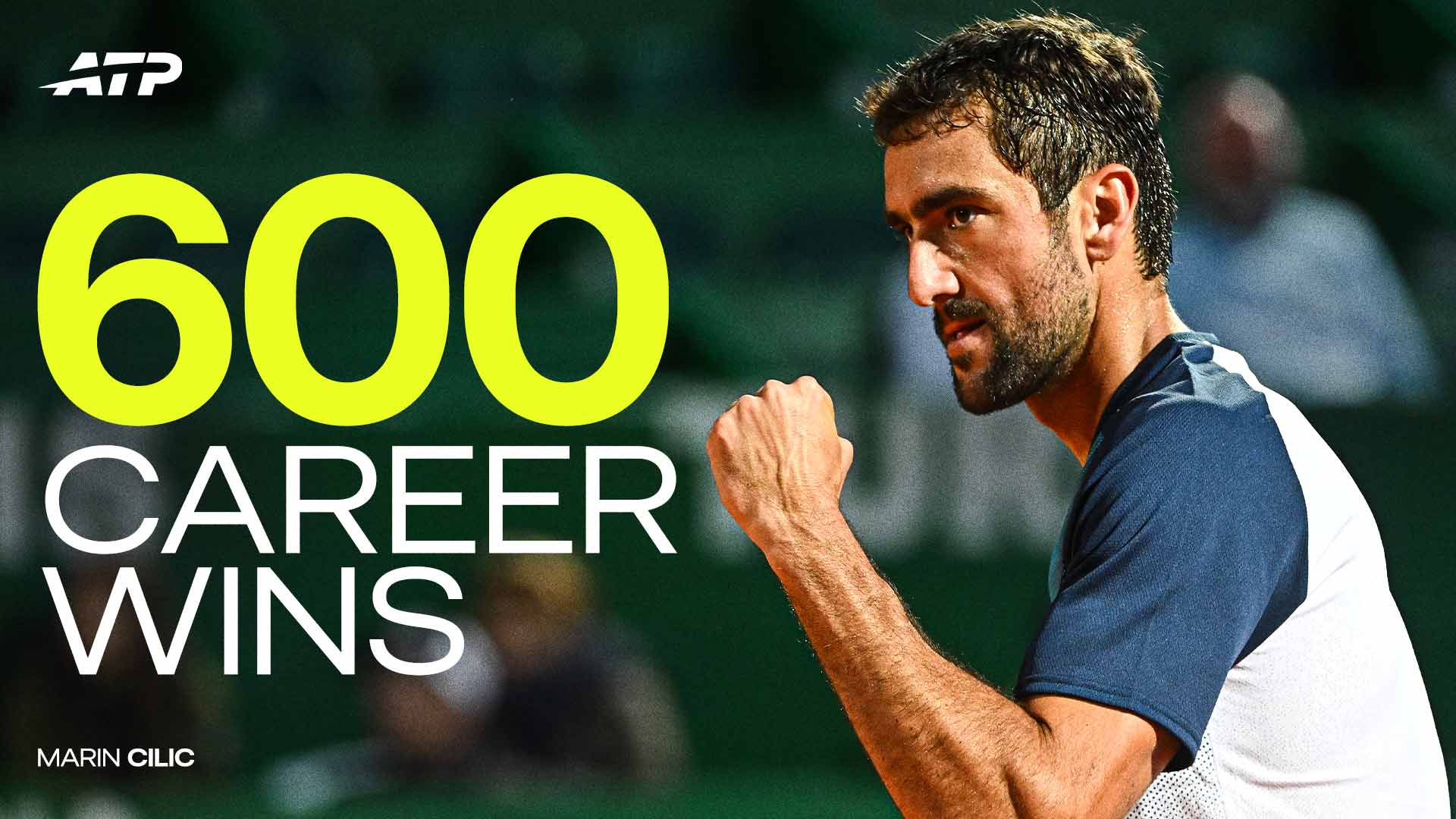
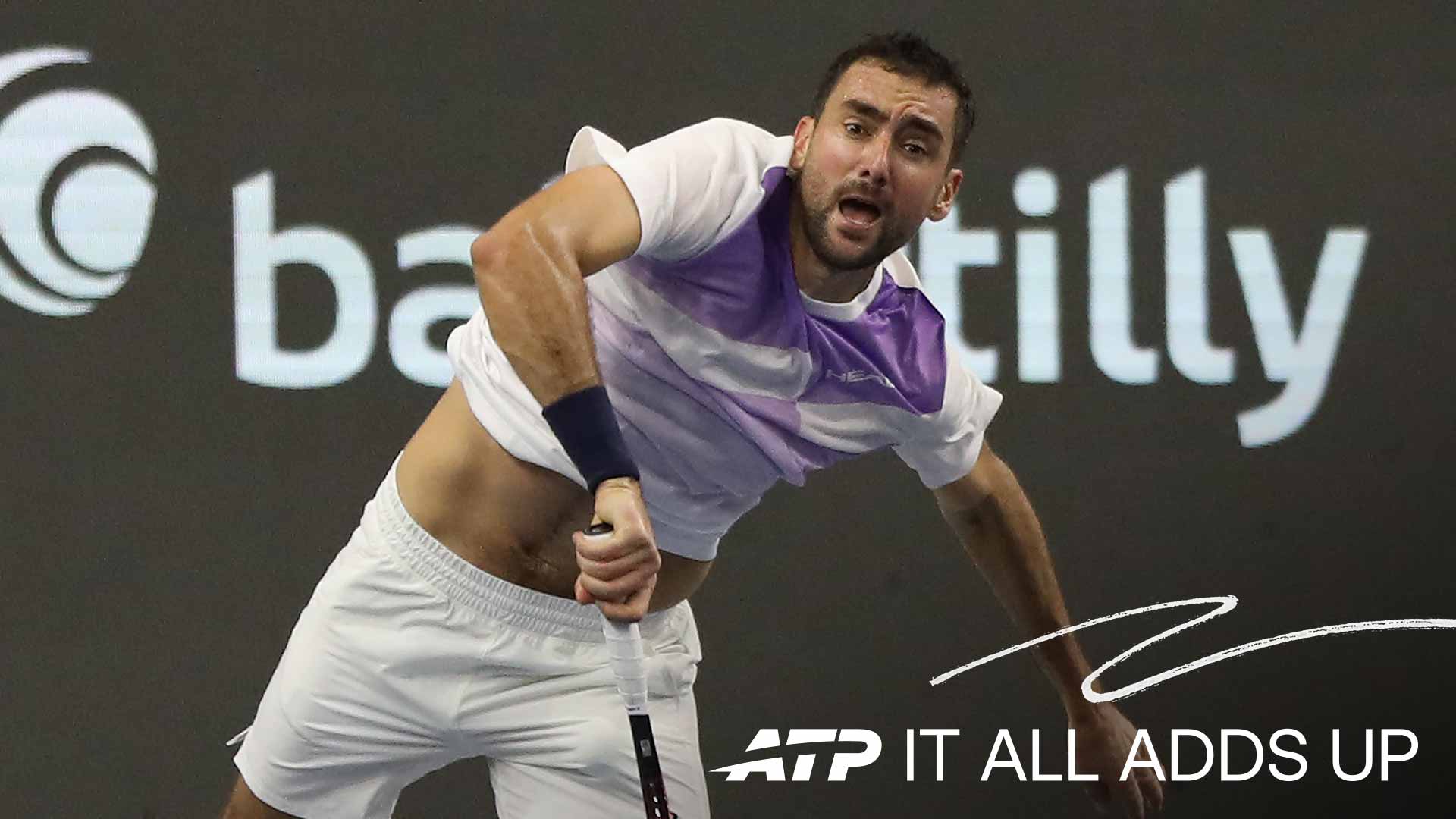
Under the steady hum of the Dallas crowd, Marin Cilic uncoiled a final forehand crosscourt, sealing his 600th tour-level win against Learner Tien at the Nexo Dallas Open. At 37, the Croatian’s milestone pulses with the weight of two decades on the ATP Tour, where his baseline firepower has weathered the sport’s fiercest storms. This victory, earned on indoor hard courts with precise depth and occasional slice backhands to disrupt rhythm, stands as proof of a game built for the long haul.
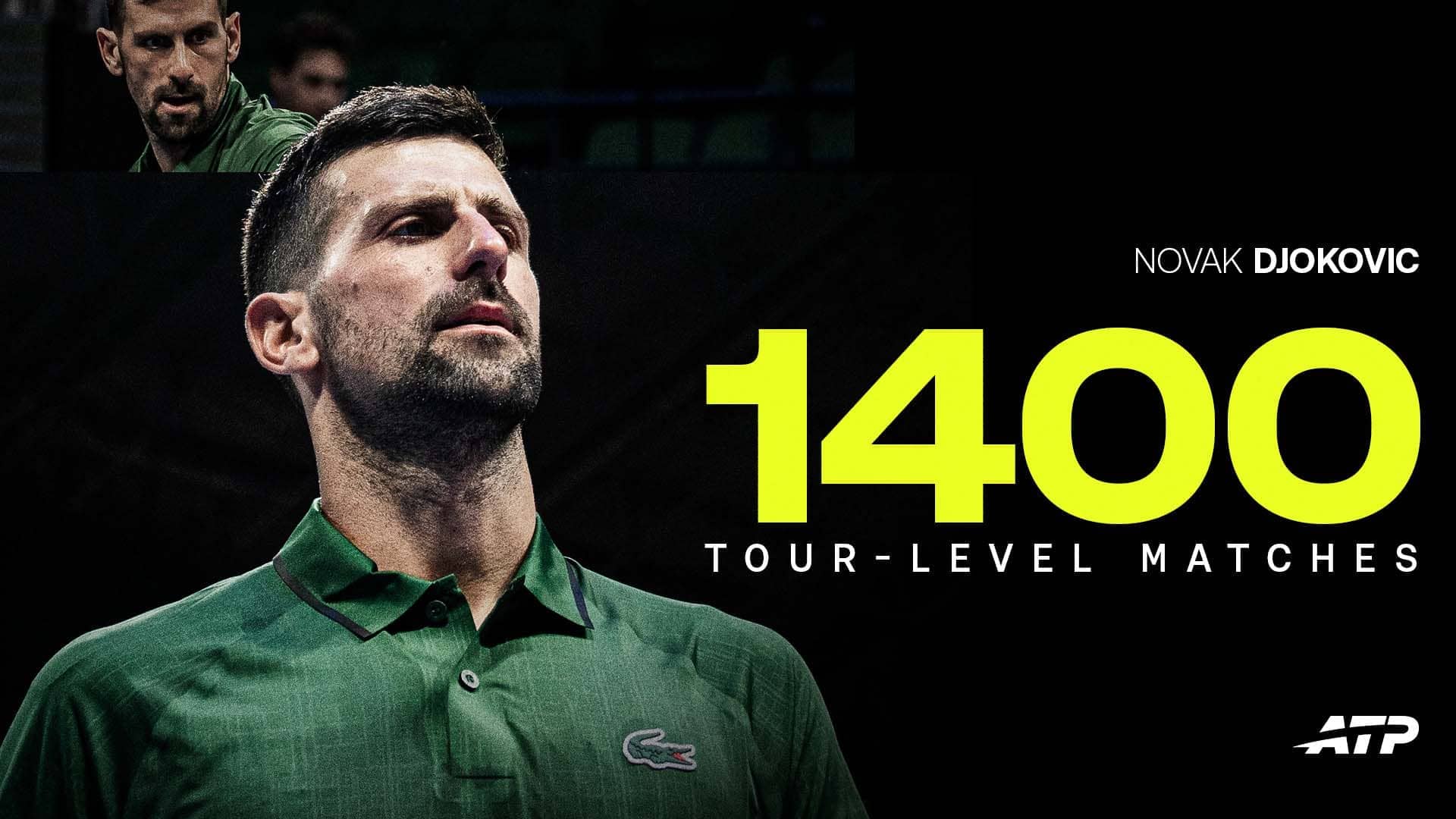
His path through the tour’s grind reveals a competitor who pairs imposing groundstrokes with an unyielding mental edge, often turning tight sets with down-the-line passes that pin opponents deep. Cilic’s 21 tour-level titles reflect not just power, but the tactical patience to vary spins and angles across surfaces. As he joins Novak Djokovic as one of only two active players with 600 wins—Djokovic holding 1,168—the Croatian now leads his nation’s all-time list, edging past Goran Ivanisevic’s 599.
“All my dreams came true,” Cilic said while reflecting on his Flushing Meadows triumph last August. “Coming [to the US Open] again always brings the goosebumps and always brings a little bit of a sensation of, ‘Can I do it again?’”
Thriving in the shadow of giants
One defining peak arrived in 2014 at the US Open, where Cilic claimed his maiden major after downing Kei Nishikori in the final, days after upsetting five-time champion Roger Federer in the semifinals—that solitary win in their 11 head-to-head clashes. On those medium-paced hard courts, his heavy topspin forehands absorbed pace and redirected it with inside-out angles, fueling a straight-sets run that silenced doubters. The psychological surge carried him to the Nitto ATP Finals for the first time that year, a qualification he repeated from 2016 to 2018, each entry demanding he reset amid grueling schedules.
In 2016, he captured his first ATP Masters 1000 title in Cincinnati, using the faster outdoor hard to unleash 1–2 patterns that opened the court for volley finishes. The Wimbledon final followed in 2017 on grass, where low-skidding serves tested his touch, though Federer prevailed in five sets. Then came the Australian Open championship match in 2018, another close defeat to the Swiss on slower hard courts, where extended rallies highlighted Cilic’s ability to sustain depth with crosscourt exchanges.
From 2009 to 2023, he held steady inside the Top 20 of the PIF ATP Rankings, adapting to the Big Three’s dominance by mixing flat drives with topspin loops to counter precision baseline play. Among active players, his win total trails only Djokovic, with Stan Wawrinka, Gael Monfils, and Alexander Zverev further back, underscoring how consistent execution across eras sustains elite careers. Cilic’s quiet intensity off the court—evident in his easy interactions with peers—mirrors the focus that kept him relevant through shifting rivalries.
Rehab’s grind reshapes resilience
The arc twisted in January 2023 at the ATP 250 in Pune, a torn lateral meniscus striking just before his quarterfinal and forcing his first surgery, limiting him to one more event that season. He immersed himself in recovery, scouring studies on knee protocols and training adjustments. “I [was] reading through the whole internet and going through research, reading dozens and dozens, if not hundreds of researchers about knee surgeries, recovery, the methods, what to do, what not to do, how to train, what to train afterwards,” Cilic recalled last April.
A second surgery in May 2024 tested his resolve further, but four months later, nearing his 36th birthday in September, he won the ATP 250 in Hangzhou as World No. 777—the lowest-ranked champion since 1990. On those outdoor hard courts, lighter footwork preserved his knee while selective inside-in forehands exploited openings, outlasting fresher opponents in baseline duels. Against Tien in Dallas, similar restraint shone: serves kicked high to the backhand side, setting up backhand slices that forced errors on the quicker indoor surface.
As a father to two sons, Cilic drew emotional steadiness from family, channeling it into off-court efforts like the Marin Cilic Foundation he launched in 2016. The work there—offering scholarships, speeches, and guidance to children in need—echoes his own rise from Croatia’s talent-rich scene, alongside Ivan Ljubicic and Mario Ancic. “We do everything in our power to help kids in need, whether through scholarships, motivational speeches or by providing proper guidance to point them in the right direction,” Cilic said in 2022. “I hope for a world in which all children have an equal opportunity to reach their full potential.”
Croatia’s enduring tennis force
Croatia’s modest size belies its outsized impact on the sport, with Cilic now its winningest player, surpassing Ivanisevic to cap a career of breakthroughs from teenage Top 100 entry to Grand Slam glory. His longevity speaks to a blueprint of power tempered by adaptability, respected across the tour. Longtime friend Ivan Dodig, who hit No. 2 in doubles in 2023, has watched it unfold courtside.
“It’s just amazing. All his career is unbelievable,” said Dodig. “I’m super happy and proud for him. From the beginning, he broke the Top 100 at quite an early age, like as a teenager, and he stayed one of the best players in the world, achieved so many things in his career, winning so many ATP tournaments, a Grand Slam tournament. He’s achieved everything you can do in tennis. I’m happy for Marin [earning] his 600th win. Hopefully some more are coming. I’m sure he has the courage and motivation to play some more years.”
As the 2026 season gains pace, Cilic’s Dallas moment hints at more chapters, his game still blending booming serves with tactical nuance to navigate younger fields. The cheers in the arena faded, but his drive lingers, promising battles where experience tips the scales once more.