Brady’s Patient Rebuild on Miami’s Hard Courts

After 848 days sidelined by injury, Jennifer Brady returns to the WTA Tour with quiet determination, facing Sloane Stephens in a first-round test of rediscovered form at the Miami Open.
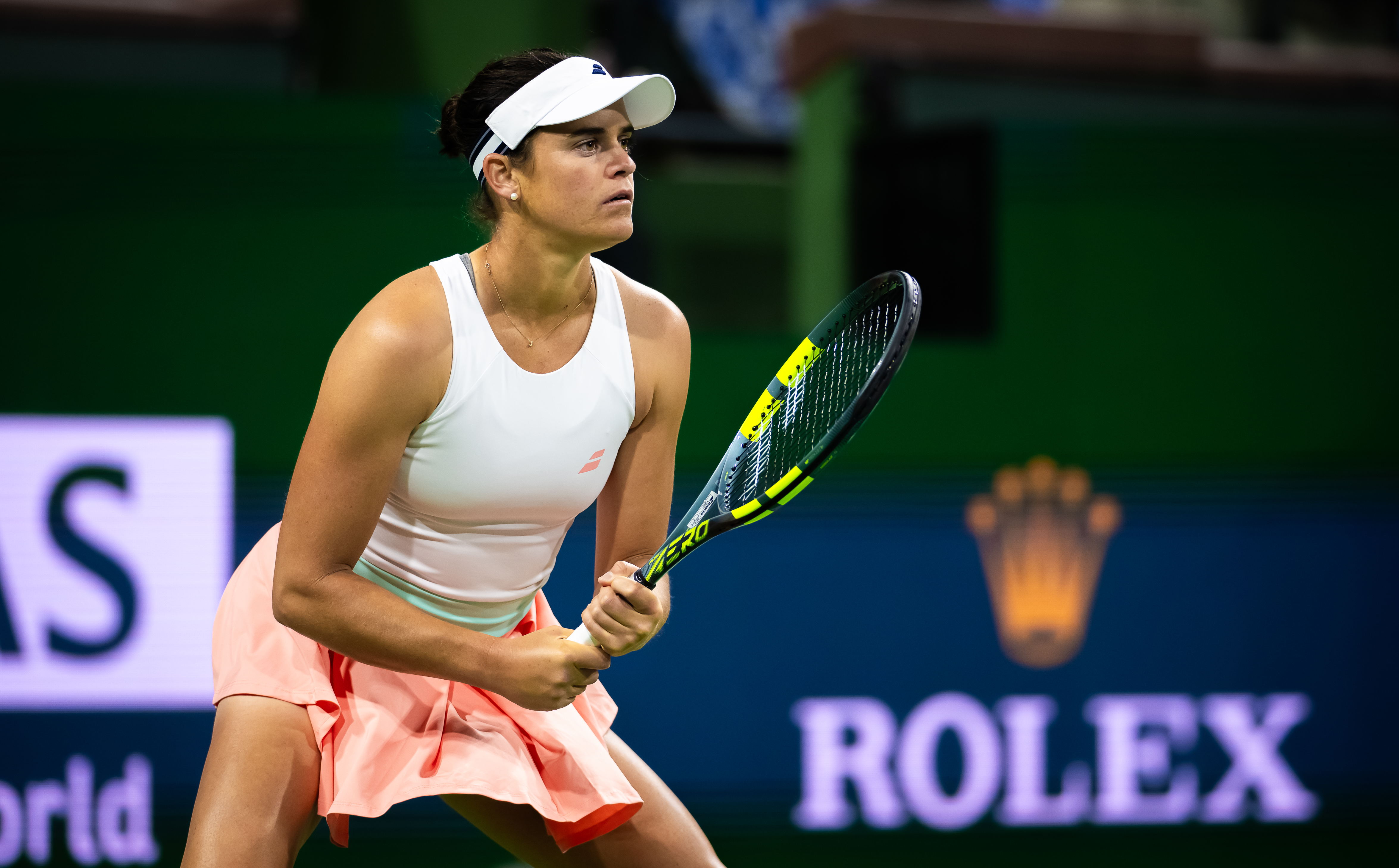
In the sticky South Florida air, Jennifer Brady steps onto the court for her Miami Open opener, her knee steady after an 848-day absence that tested every fiber of her resolve. The former World No. 13, who pushed Naomi Osaka to the brink in the 2021 Australian Open final, has navigated knee surgeries and foot troubles since late 2023, following a prior layoff from August 2021 to July 2023. Now, with wild cards drawing her into the fray, she faces fellow American Sloane Stephens in a matchup of veterans hungry for their first post-injury wins.
“I think the toughest thing was just not knowing when I would compete again -- just sort of the unknown,” Brady said. “That was probably the toughest thing, the scariest thing.”
Embracing the uncertainty of recovery
During Jennifer Brady’s 848-day layoff from tennis, the most difficult thing was always the “unknown,” a shadow that lingered through endless rehab sessions and delayed timelines. She returned to competitive play in late January at an ITF W100 in San Diego, reaching the semifinals with deep crosscourt forehands that forced opponents into defensive lobs. That momentum carried her into qualifying wild cards for Austin and main draw entries at Indian Wells and now Miami, each match a deliberate step toward reclaiming her baseline rhythm.
Her passion for the sport never wavered, fueled by the thrill of global travel and the intensity of high-stakes rallies. Brady keeps expectations grounded, prioritizing match experience over deep runs, knowing her body feels strong but needs time to adapt to the tour’s relentless pace. On Miami’s medium-fast hard courts, she focuses on varying her one–two patterns—serve followed by heavy topspin—to disrupt returns without overextending her recovering knee.
Forging toughness through close calls
In her six matches this year, Brady has shown fight, with all three losses stretching to three sets, including a recent Indian Wells defeat where she led World No. 55 Antonia Ruzic 6-3, 3-1 before unforced errors shifted the momentum in a 4-6, 2-6 finish. Opponents have gained 2.5 years of match fitness she missed, sharpening their inside-in forehands and down-the-line passes while she rebuilt from scratch. She counters by emphasizing patience, using underspin backhands to slow rallies and create openings for inside-out winners.
Physically, she’s logging sets without the old aches, but the mental edge comes from stacking small victories like holding serve in deuce or converting breaks with sharp angles. Brady’s approach treats each outing as a building block, avoiding the trap of chasing her pre-injury form too soon. As she eyes the Credit One Charleston Open next—her favorite stop where clay rewards her topspin variety—she plans to use protected ranking for Roland Garros qualifiers, testing surface shifts with low slices to control tempo.
She’s keeping her expectations at a realistic level, focusing on getting more matches under her belt and slowly finding her form again. Physically, Brady said she’s feeling good, and she knows that while it would be great to advance deep into a WTA event, it’s not necessarily a top priority.
Home turf ignites quiet fire
Growing up just 40 minutes north of Miami and now residing in Florida, Brady views the tournament as her home event, drawing energy from familiar crowds and supportive nods from tour peers. This marks her third WTA main draw of the season, and the warm welcomes have eased her return to the circuit’s pulse. Facing Stephens, who also shook off a right foot stress fracture entering 2026, promises a tactical chess match of flat groundstrokes and probing drops, both seeking that breakthrough win.
“When I go out there, I’m going to have expectations on myself of how I want to play,” Brady said. “I think it’s just not super realistic to be thinking, ‘Okay, I’m going to come out there and play the way that I was a couple years ago.' ”
Their first tour-level encounter carries no history, just mutual understanding of injury’s toll, with Brady planning to dictate with wide serves opening the court for crosscourt exchanges. She anticipates a grind, knowing no match at this level comes easy, especially against a peer mirroring her path. Long-term, Brady sets no rigid goals, aiming instead to stay healthy and rediscover her game through consistent play.
“I really, really love this sport and I love competing,” Brady said. “I love being able to travel to all the places that we get to go and to experience the things that we get to experience, and it’s only such a short part of your life.”
“A lot of these players that I’m competing against have been playing for that time period -- that last 2.5 years -- that I’ve been off,” Brady said. “They’ve been competing and playing and getting that match toughness, match fitness, all that. I think just, you know, (I’m) just taking it one day at a time, one match at a time and, you know, just keep trying to improve.”
“It won’t be an easy match,” Brady said. “There never is an easy match at this level. It’ll be a tough one and I know she was out a little bit for injury as well. I hope it’s a good match and I’m excited to play.”
As the Miami sun beats down on Hard Rock Stadium, Brady’s matchup with Stephens could hinge on who first unlocks their post-injury groove, turning shared setbacks into on-court fuel for a season of steady ascent.