Berrettini Bows Out Before Melbourne Showdown

Matteo Berrettini’s withdrawal from the Australian Open 2026 casts a shadow over his anticipated clash with Alex de Minaur, reshaping the draw and testing the Italian’s resilient comeback. As Melbourne Park hums with opening-round energy, fans brace for a quieter court without his thunderous serve.
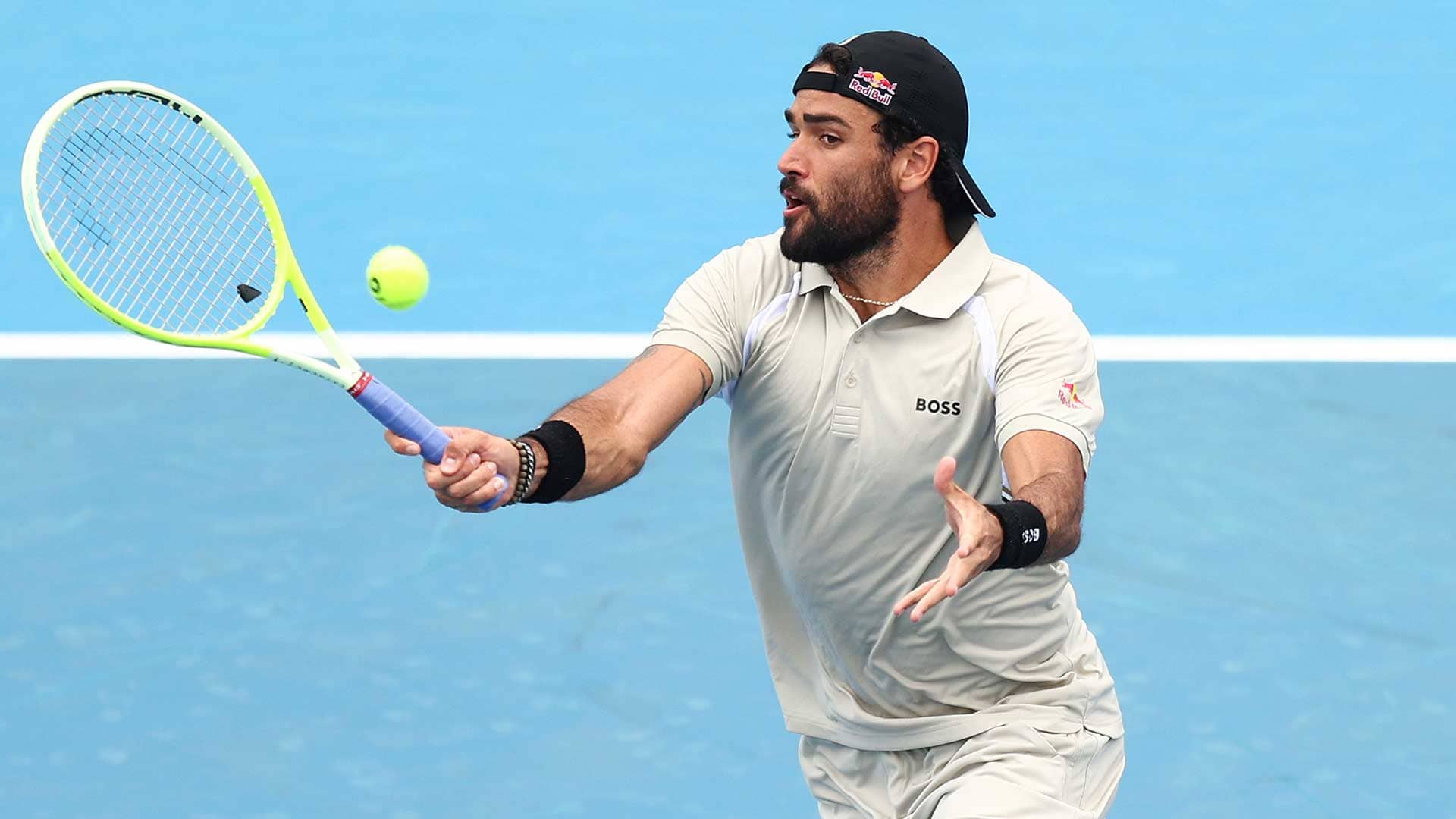
The Melbourne sun beats down on January 17, 2026, as the Australian Open kicks off with its familiar roar. Matteo Berrettini, the Italian powerhouse whose game blends raw power with tactical finesse, has withdrawn from the tournament. Set to face sixth-seeded Alex de Minaur in the first round, he steps aside, handing the slot to qualifier Mackenzie McDonald and leaving a void in the draw.
Berrettini, who stormed to the semifinals here in 2022 with blistering inside-out forehands and aggressive net play, cited lingering issues from his injury-plagued return. The former No. 6 in the PIF ATP Rankings arrived in Melbourne chasing momentum on these medium-slow hard courts, where his heavy topspin could grip the Plexicushion surface. Now, de Minaur dodges an early barrage of 130-mph serves and one–two punch patterns that once dismantled top seeds.
“I’m really sorry to have to withdraw from the tournament,” Berrettini said. “I have always enjoyed being and playing here and feeling your incredible support. Thank you to the tournament for their fantastic organisation and I hope to see all of you again very soon.”
Comeback grind meets harsh reality
Berrettini’s offseason unfolded in quiet determination, piecing together hard-court prep after surgeries sidelined him through much of 2025. He honed his forehand whip, aiming to redirect crosscourt rallies into inside-in winners under the Australian Open lights. Yet the body’s limits surfaced, turning what could have been a pivotal marker into a setback that echoes the mental strain of pro tennis.
The withdrawal spares him a potential five-setter against de Minaur’s relentless retrieval, where low slices to the backhand might have exposed any rust in his movement. Fans who packed Rod Laver Arena in 2022 for his gritty runs now murmur about the calendar’s toll, as he recalibrates for the clay swing where slower bounces suit his topspin game. This pause amplifies the inner push-pull: ambition clashing with fragility in every practice rally.
De Minaur navigates easier opener
Alex de Minaur breathes easier, his path now winding through McDonald’s steady baseline craft rather than Berrettini’s explosive raids. The Australian, fueled by home-crowd surges, thrives on these courts with sharp down-the-line backhands and fleet-footed defense to counter heavy balls. Facing Berrettini would have demanded early energy against that serve-volley aggression, testing his crosscourt redirection from the outset.
McDonald steps in with his own bag of tricks—mixing underspin backhands to disrupt tempo and probing inside-out shots to stretch the court wide. On Plexicushion, where controlled aggression pays off, de Minaur can channel the stands’ energy into a smoother warmup, conserving legs for deeper runs. The shift eases one bracket pressure point, letting the sixth seed focus on precision over raw power exchanges.
Future courts call for renewal
Berrettini’s absence stings Melbourne’s faithful, who recall his 2022 charge: grinding through marathons with unyielding focus, forehand dipping late into corners. As the Australian Open pulses forward, his story lingers—a reminder of tennis’s unforgiving rhythm, where recovery intertwines with resolve. He eyes a swift return, perhaps igniting fiercer prep for grass, where his serve regains bite and the crowds roar once more.


