Anisimova digs deep to defeat Keys in Riyadh thriller

Under Riyadh’s intense lights, Amanda Anisimova turned the tables on Madison Keys in a three-set grind, breaking her serve six times to force a high-stakes rematch with Iga Swiatek and keep her WTA Finals dreams alive.
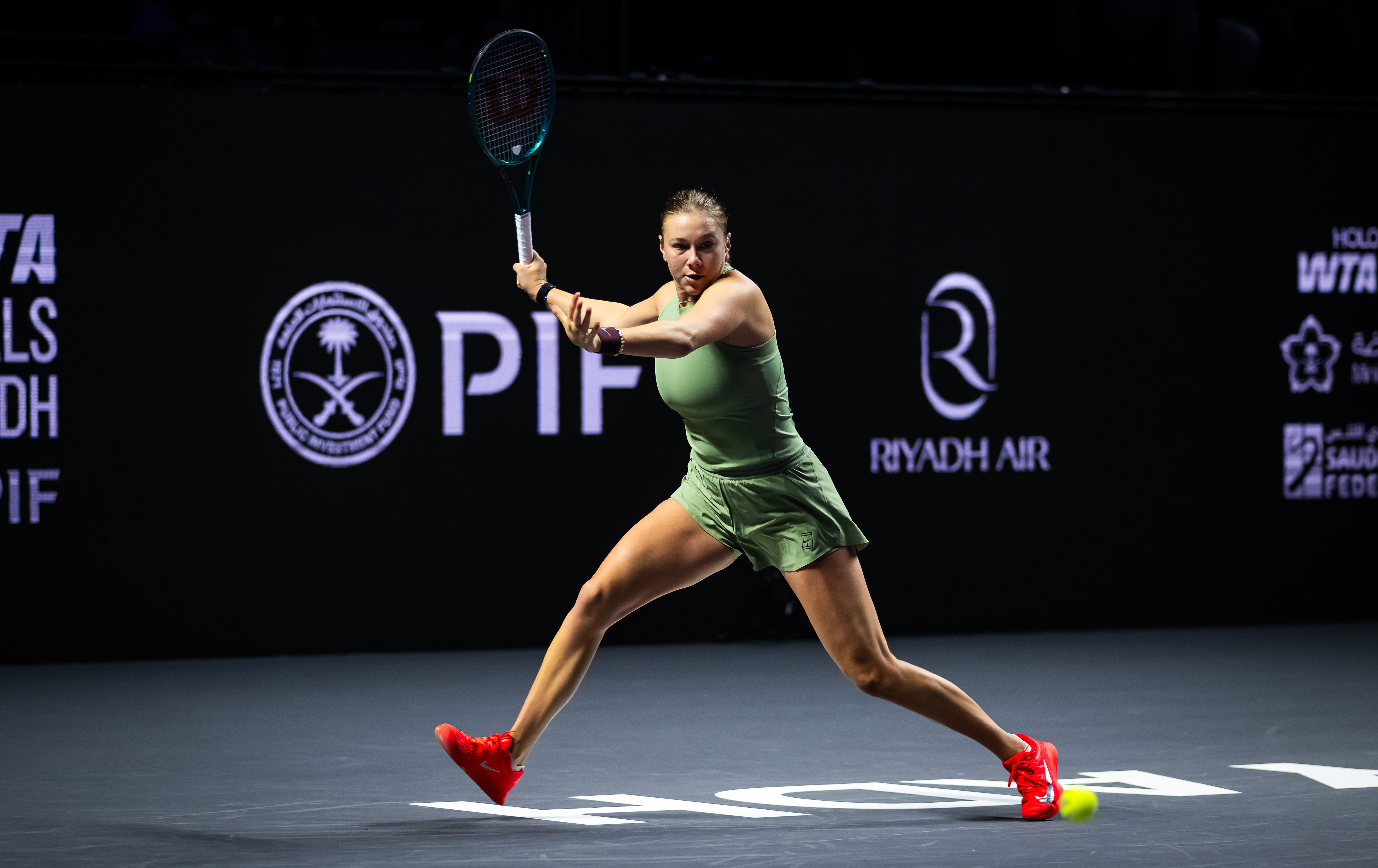
In the sweltering buzz of Riyadh’s arena, Amanda Anisimova channeled the grit of her resurgent season to outlast fellow American Madison Keys 4-6, 6-3, 6-2, their first professional clash unfolding as a raw test of wills amid the WTA Finals’ unforgiving round-robin pressure. The No. 4 seed, making her debut at the event, absorbed an early setback before dismantling Keys’ powerful serve with relentless returns, securing six breaks that shifted the momentum decisively. This victory in the Serena Williams Group leaves Anisimova at 1-1, tied with No. 2 Iga Swiatek, while No. 6 Elena Rybakina advances to the semifinals at 2-0 after her comeback over the Pole; Keys exits at 0-2, her breakthrough year ending on a poignant note.
Breakthrough paths collide under pressure
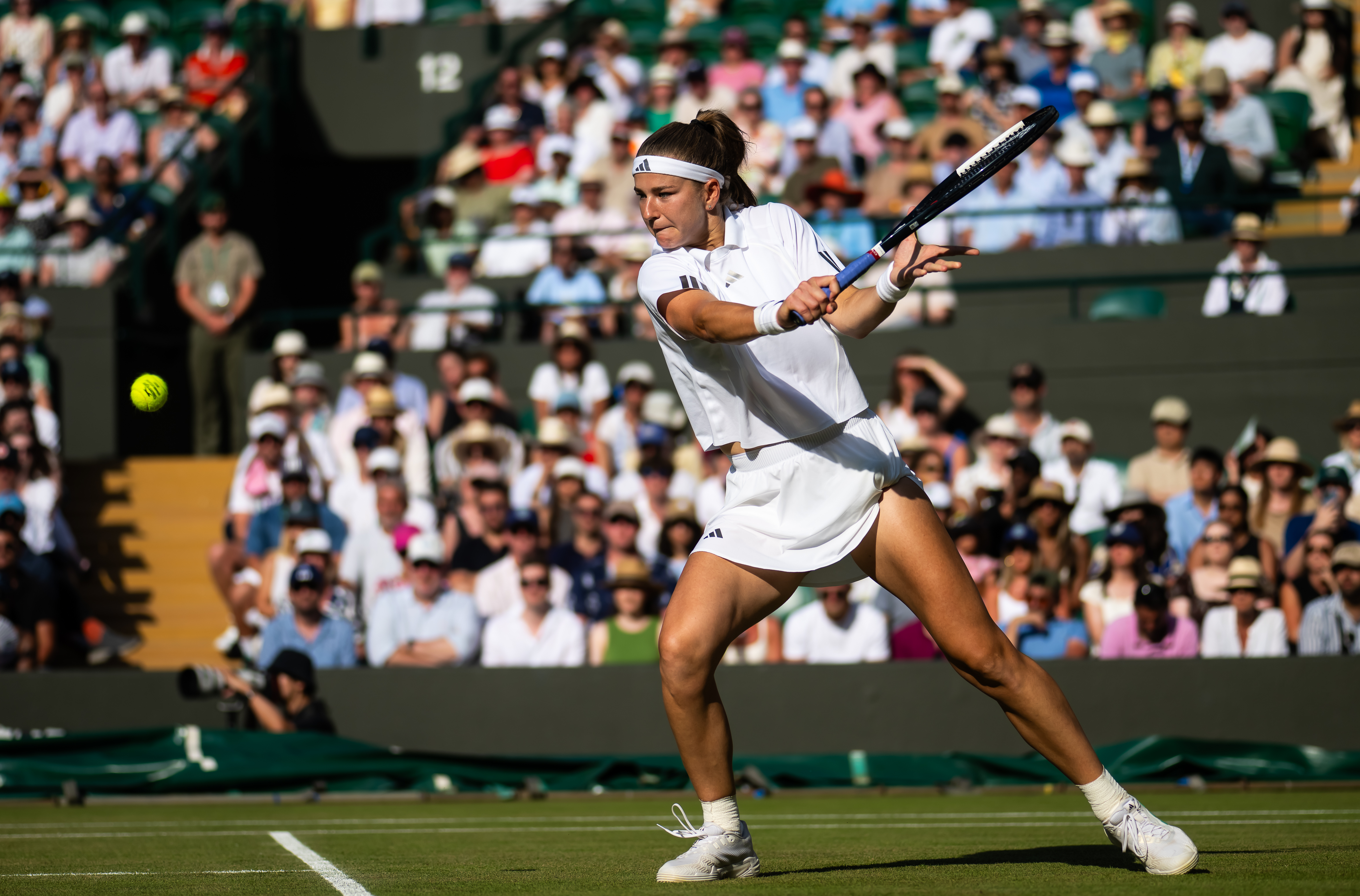
Both players arrived in Saudi Arabia as stories of redemption, Anisimova storming back from an extended break to reach finals at Wimbledon and the US Open, her Top 5 entry marking a swift ascent at age 24. Keys, approaching 30, captured her first Grand Slam at the Australian Open, her late-blooming power game propelling her into the elite ranks for the first time. Yet the round-robin format turned their shared narrative into a zero-sum battle, with Keys entering fresh off a 68-day rest for an adductor injury but rattled by just three games against Swiatek in her opener.
Her husband and coach, Bjorn Fratangelo, described the immediate post-match practice as a team call to sharpen edges. They focused on adjustments to reclaim rhythm, knowing few chances remained after a loss. Fratangelo emphasized their edge in recovery, predicting a stark contrast to the Swiatek mismatch in this do-or-die encounter.
“That was a collective decision,” Fratangelo said. “Worked on a few things. You don’t have many opportunities to play another match after losing, so we’ll try to use that as best we can.”
The indoor hard courts, with their quick pace and true bounce, amplified the mental strain, as the crowd’s rising hum mirrored the tension of two Americans vying for survival in a group already tilted by Rybakina’s dominance.
Nerves spark a tactical back-and-forth
The match ignited with four straight service breaks, exposing the coiled anxiety on both sides as flat groundstrokes whistled crosscourt under the floodlights. Anisimova snagged the first hold for a 3-2 lead, her deep returns jamming Keys’ backhand and forcing errors on the deuce side. But Keys, drawing on her Australian Open poise, broke back in the ninth game, her booming serve-volley combo sealing the set and briefly lifting the elimination threat.
Anisimova leveled the second at 3-all through varied returns that neutralized Keys’ one–two punch, then accelerated with four consecutive games fueled by inside-out forehands that pinned her opponent wide. The shift carried into the third, where an opening break set the tone, Anisimova’s crisp movement allowing her to chase down underspin slices and counter with down-the-line winners. She converted her fourth break point in the fifth game, the arena’s energy surging as Keys’ unforced errors mounted under the psychological weight.
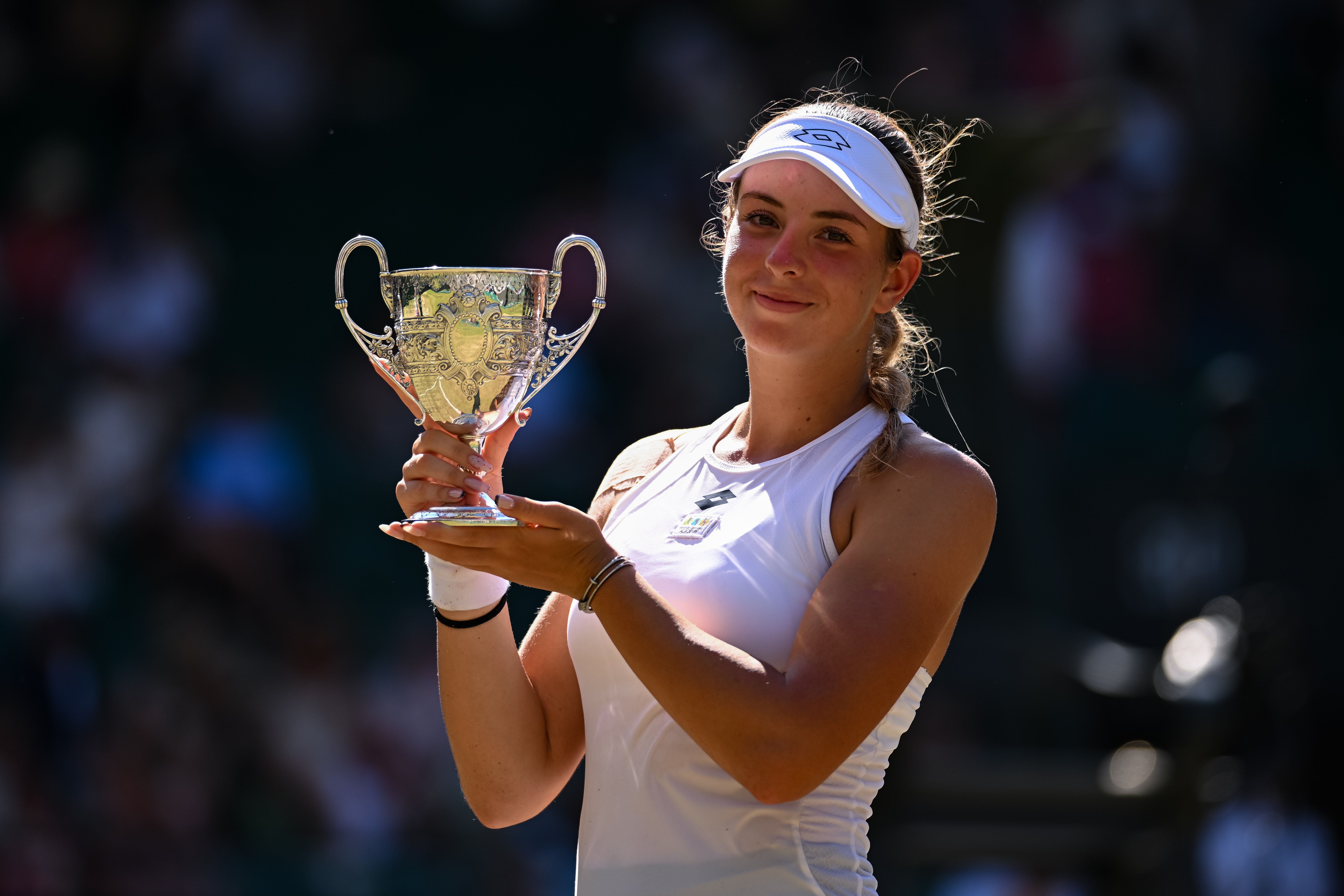
Keys had lauded Anisimova’s rise before the tournament, highlighting her prodigious talent and youth as reminders of untapped potential. The younger player’s poise after a 6-0, 6-0 Wimbledon final loss to Swiatek—followed by a 6-4, 6-3 US Open quarterfinal upset over the same rival—resonated widely, turning adversity into a signature strength.
“Because she’s so good,” Keys said. “I think we all saw that. I think the biggest thing is that to kind of think of how great she was as young as she was, then she took a break. Now still she’s so young, which she keeps reminding me of. It’s incredible that she’s been able to do that.”
Resilience paves way for Swiatek duel
Fratangelo’s pre-match words rang with optimism, noting no one matched their freshness heading in. He framed the clash as entirely distinct from Keys’ prior defeat, a high-wire act where every rally carried semifinal freight. Yet Anisimova’s tactical adaptability—blending aggressive patterns with defensive coverage—overwhelmed, her six breaks exposing vulnerabilities in Keys’ game despite the surface suiting her flat-hitting style.
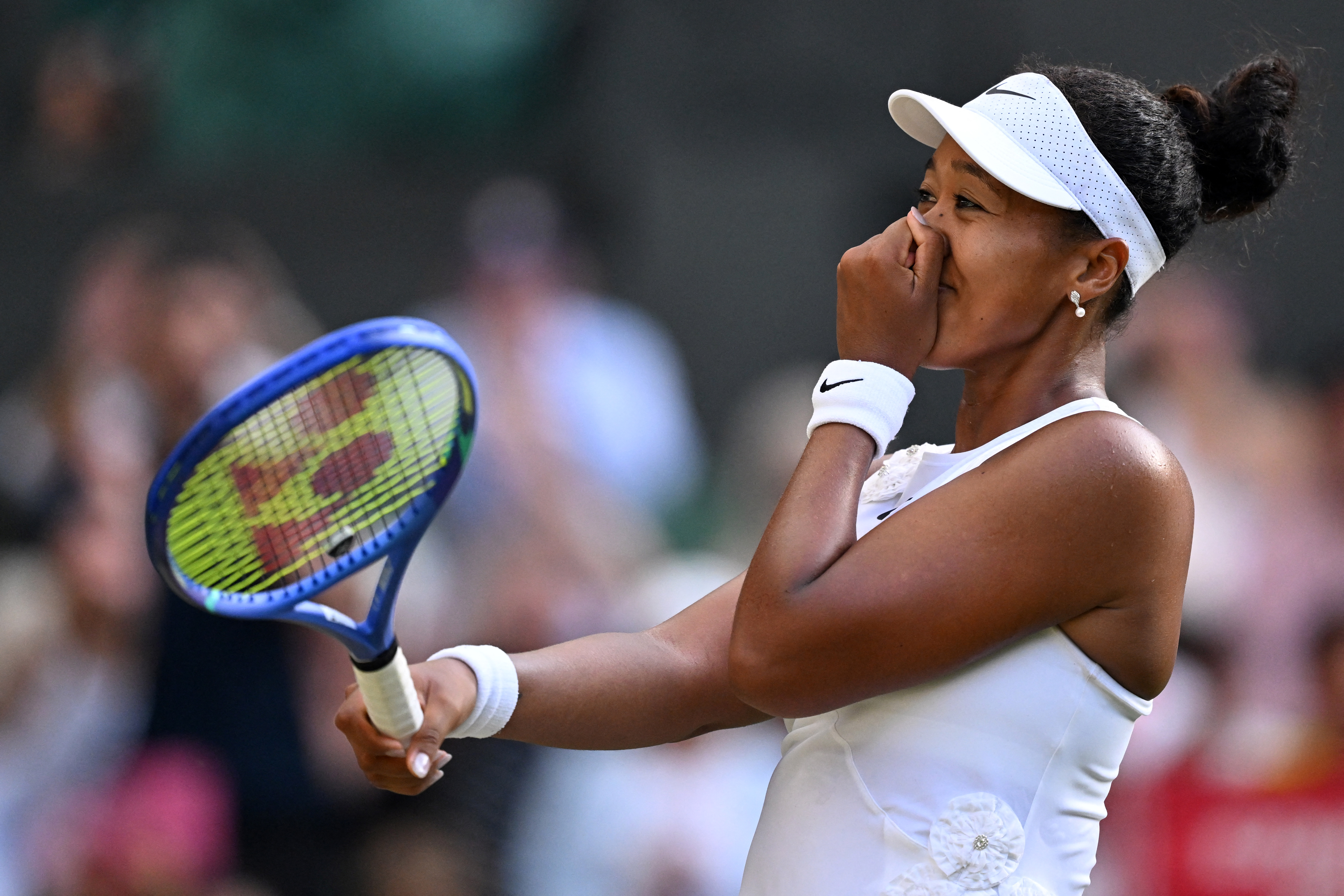
The win echoes Anisimova’s season-long theme of rebounding, her grace in handling setbacks earning praise that underscores the human pulse of elite tennis. Keys voiced admiration for that very quality, capturing a tour-wide sentiment on the 24-year-old’s composure after the Wimbledon rout. As Rybakina secures the group atop at 2-0, this result tees up a rubber match on Wednesday, where Anisimova’s return aggression could again test Swiatek’s baseline fortress on the fast Riyadh hard courts.
“I think the biggest thing I’ve been most impressed with this whole year of hers, her entire comeback, is the way that she handled the Wimbledon final,” Keys said. “I thought she did it with such grace, she handled it so well.”
For Anisimova, a first WTA Finals semifinal looms as a potential pinnacle, her inside-in forehands and slice variations poised to challenge the Pole in a bout laced with history and momentum, while Keys departs with her head high, her perseverance a foundation for future pursuits.