Altmaier readies to disrupt Sinner’s Shanghai defense

Daniel Altmaier steps into Shanghai’s spotlight with a proven knack for upending elites, his versatile backhand set to test Jannik Sinner’s poise in a matchup laced with past intrigue and fresh momentum.
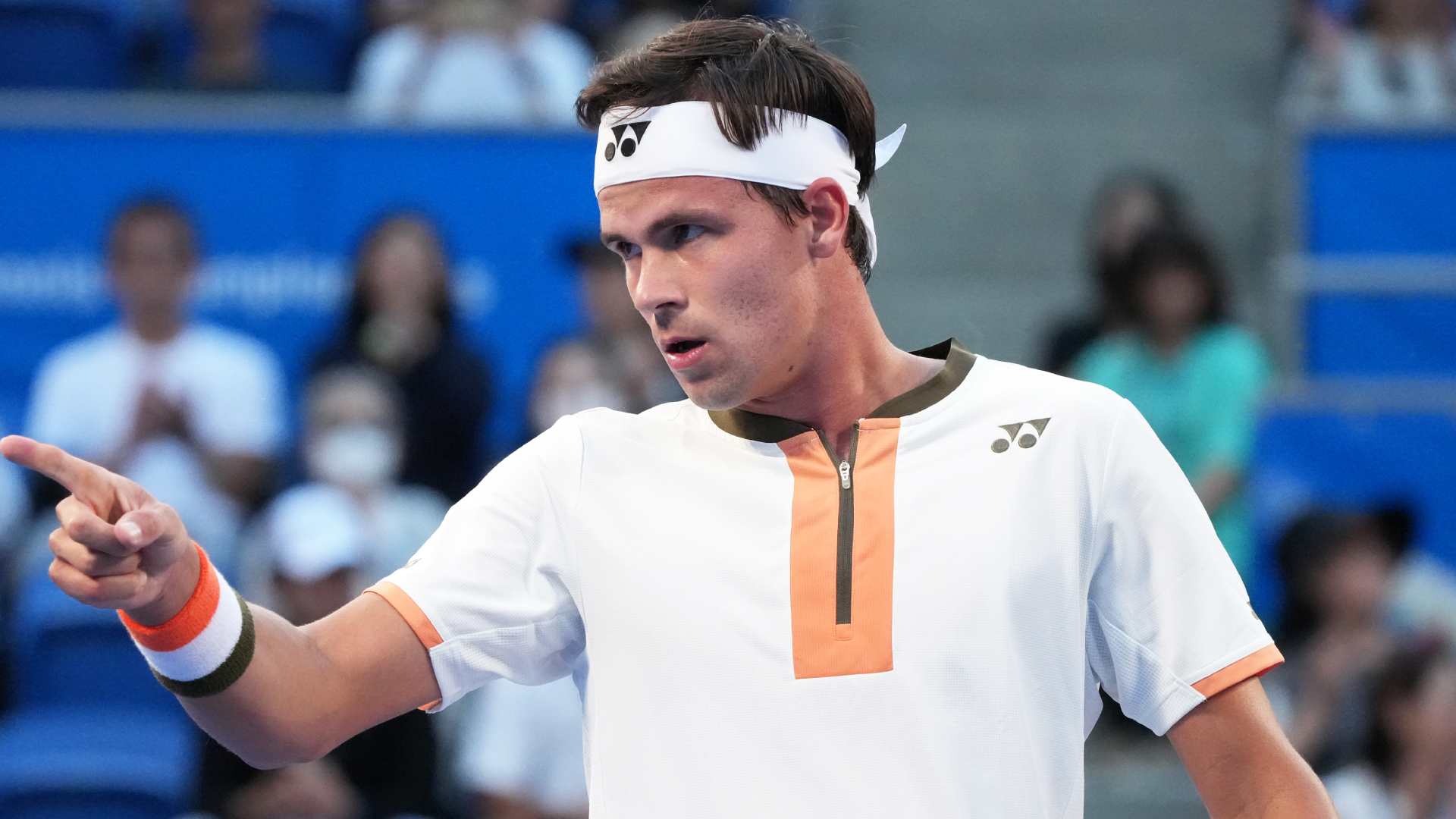
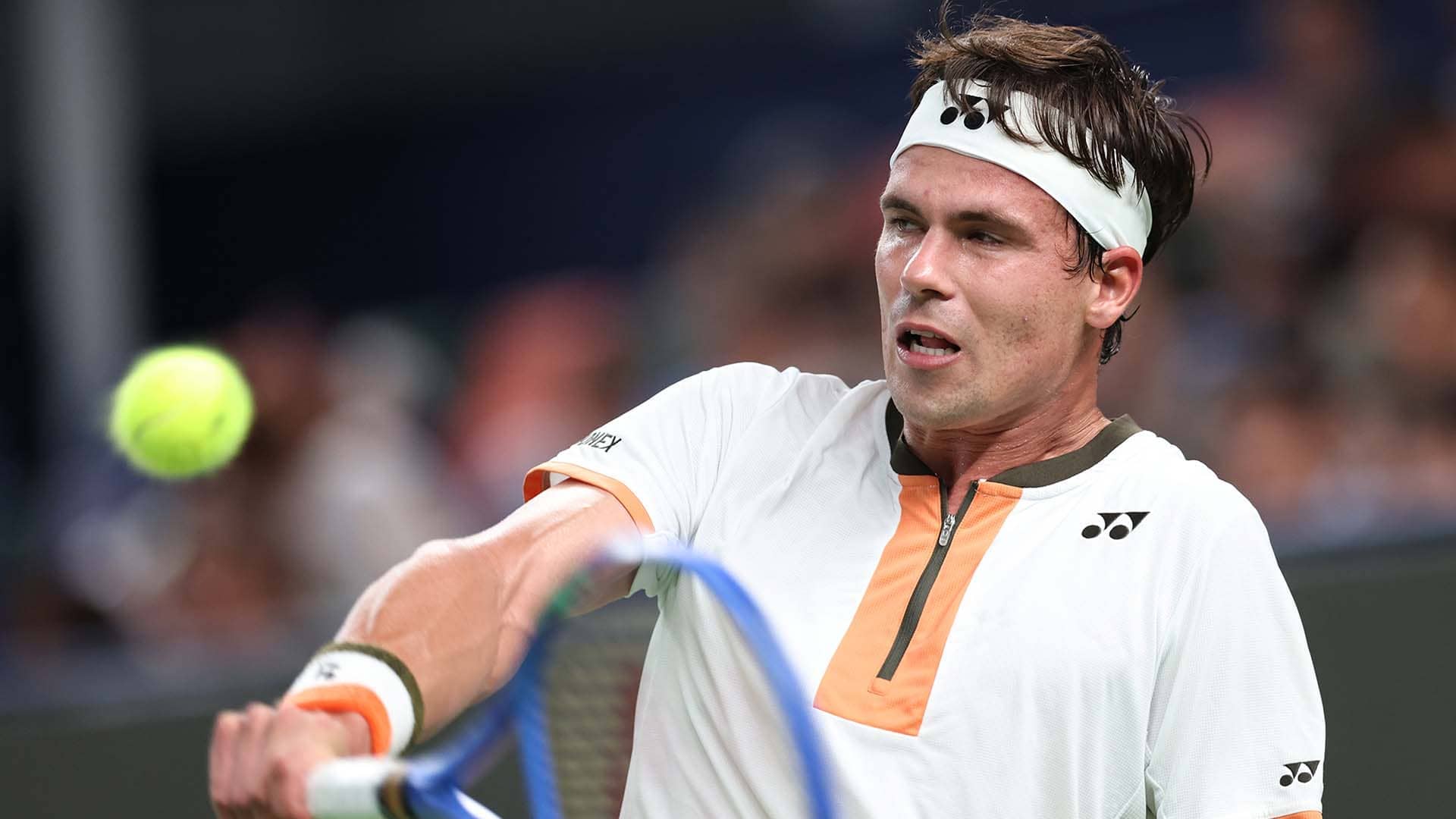
In the charged air of Qizhong Forest Sports City Arena, Daniel Altmaier prepares for a Saturday showdown that could echo his past triumphs over Jannik Sinner. The 27-year-old German, ranked No. 49 in the PIF ATP Rankings, carries the quiet assurance of a player who rises against the best. This opening-round clash at the Rolex Shanghai Masters pits his adaptive style against the defending champion’s power, where every slide on the hard courts might shift the balance.
Confidence forged in high-stakes victories
Altmaier’s reputation as a big-game hunter stems from encounters that reveal his tactical depth. He stunned Sinner in straight sets at Roland Garros in 2023, using precise backhand redirects to pierce the Italian’s defenses on clay. A year prior at the US Open, he extended the then-rising star to five sets, mixing heavy groundstrokes with net forays to expose vulnerabilities under pressure.
These aren’t outliers but the core of his approach, backed by 2025 results that affirm his threat level. He claimed his fifth Top 10 win by defeating Taylor Fritz in the first round at Roland Garros, pinning the American with deep crosscourt forehands before unleashing down-the-line finishers. Later, at the US Open, a five-set rally past former World No. 3 Stefanos Tsitsipas highlighted his endurance, as subtle slice approaches disrupted the Greek’s baseline rhythm.
“I see myself that I can play tennis well against everyone on Tour. So that’s why I feel like I’m dangerous against those [top] guys,” Altmaier told ATPTour.com in Shanghai. “I find my tactic, the way to play, the way to hurt people on the top level. So that’s where I’m also aiming to play constantly. I think that’s the thing: I can adapt my game, I can see the weaknesses and other opponents. That’s also what you play for.”
Backhand versatility unsettles elite patterns
Central to Altmaier’s arsenal is his one-handed backhand, a weapon blending power and finesse to counter Sinner’s inside-out forehand dominance. On Shanghai’s fast indoor hard courts, where balls skid low and rallies intensify, he plans to vary spins—flat drives to match pace, looping topspin to push back, and underspin slices to pull the Italian forward—creating doubt in extended exchanges. This unpredictability forces Sinner to cover wider angles, risking overextension that opens the court for inside-in counters.
The German’s work on directional shifts adds layers, allowing quick switches from crosscourt safety to down-the-line aggression. In their 1-1 head-to-head, such variety has already yielded results, like low-bouncing slices that stranded Sinner during the Roland Garros upset. He acknowledges the World No. 2’s own adjustments but sees his backhand’s range as a edge, especially against two-handers who favor consistency over surprise.
“I think he has the ability to also adjust his game,” Altmaier said of Sinner. “And well that’s one of the elements of my game… I have several different ones. I’m working a lot on the variety on the backhand side. I have the slice, I have the backhand that I can play flat, the one I can play a little bit more with topspin, I can switch direction. I think that one-handers do actually have a little bit more variety than two-handed backhands.”
Recent form underscores this tactical edge: a straight-sets dismissal of qualifier Tristan Schoolkate in his Shanghai opener featured probing one-twos that exposed the Australian’s second serve, lifting Altmaier’s 2025 record to 17-23. Last week’s win over Denis Shapovalov further built belief, as he neutralized elite firepower with backhand redirects in key moments.
Resilience rebounds from season’s trials
The year has demanded grit, with a leg injury forcing Altmaier to retire against Alex de Minaur in the US Open’s third round, just four weeks before this event. Tokyo served as his return, a measured step amid a grueling schedule that tested physical and mental limits. Now, with consistency emerging, he channels those hurdles into focus for bigger stages.
“I really love these challenges, that’s what I play for,” Altmaier shared, his tone steady amid the arena’s growing hum. He views the Sinner matchup as a culmination of growth, where past duels inform present strategies like deeper returns to jam the Italian’s serve. As crowds fill the stands, the German senses an upset brewing, his renewed vigor poised to turn pressure into propulsion on these decisive courts.
“Tokyo was my first tournament back after my little injury after the US Open, so I’m happy to have a two-set victory here playing some very good tennis,” he added. “I’m happy about the consistency I was getting recently. There were a lot of challenges throughout the season. The season is long and I’m getting to learn a lot from this year which is a crucial part in my career.”
In Shanghai’s unfolding drama, Altmaier’s blend of history, variety, and resolve positions him to challenge the throne, one adaptive rally at a time, with the potential to ignite another memorable twist.