Alcaraz Etches Aussie Glory into Skin Before Miami Return

Carlos Alcaraz’s new kangaroo tattoo captures his Australian Open triumph, a bold mark amid a season’s first stumble. As the world No. 1 heads to Florida, this ink ritual blends personal drive with tactical resets on hard courts.

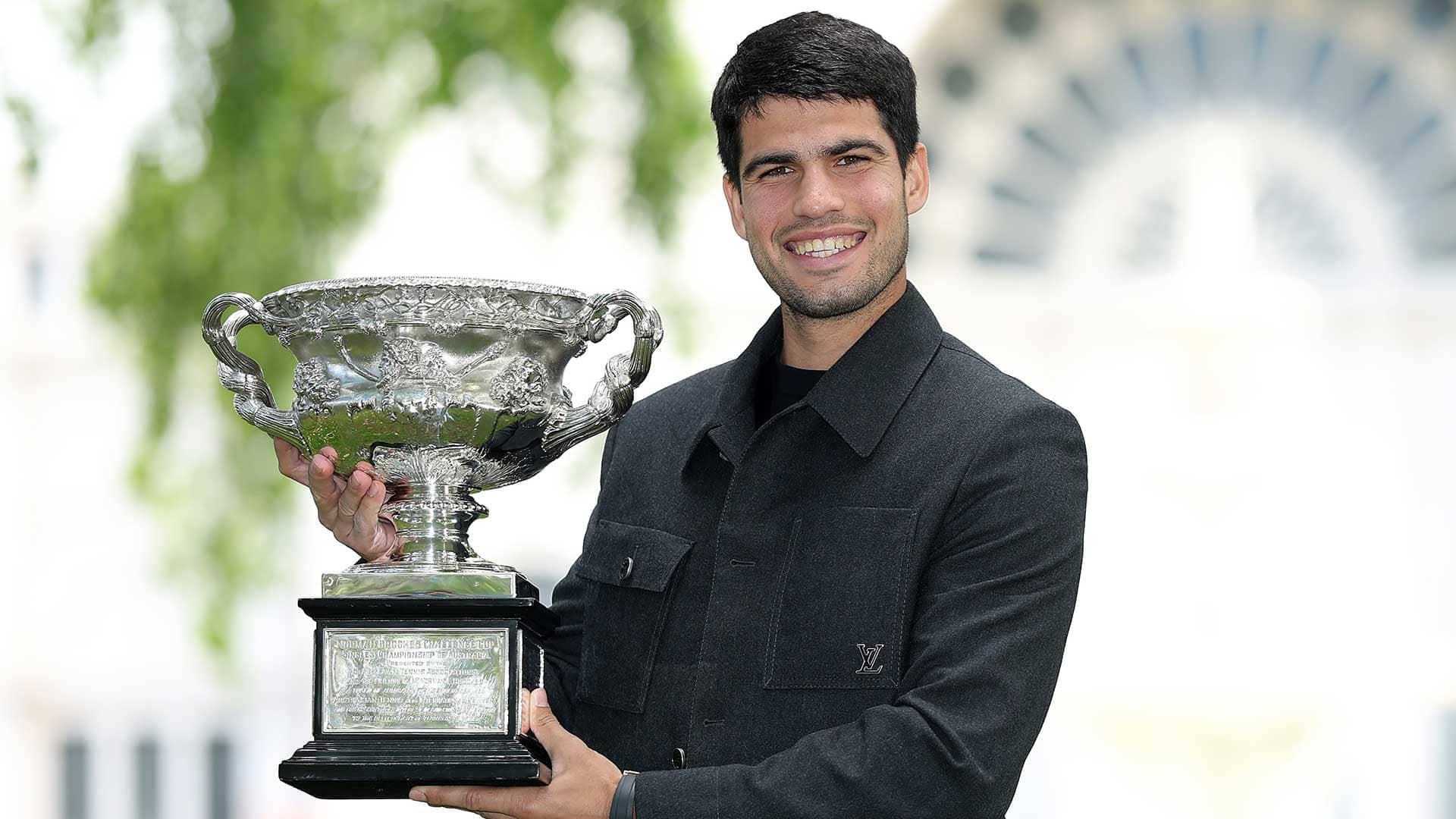
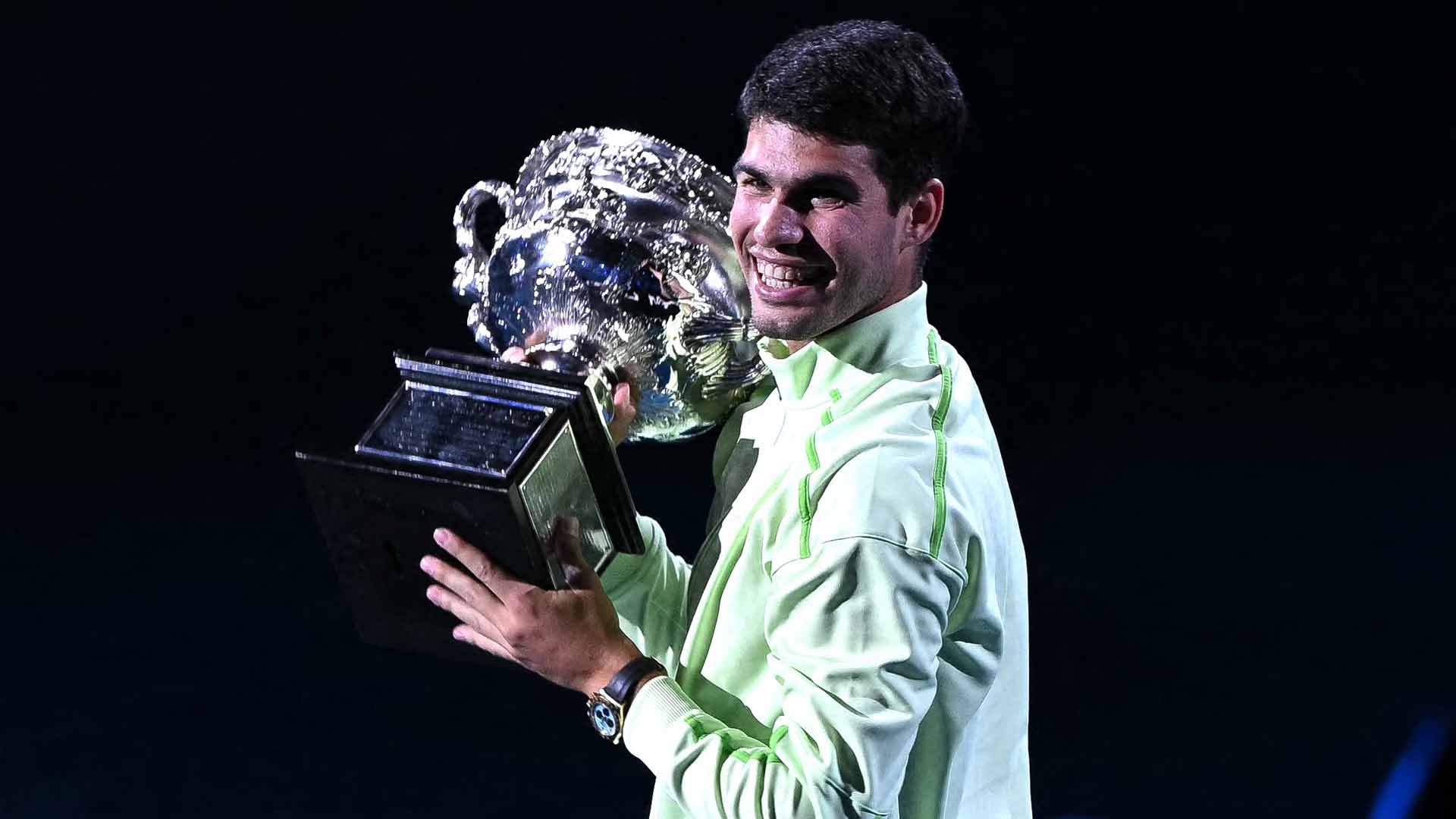
Carlos Alcaraz has a way of making victories stick, literally. Fresh off his Australian Open conquest in Melbourne, the 22-year-old Spaniard added a kangaroo clutching the Norman Brookes Challenge Cup to his lower left leg, framed by Australia’s outline. This isn’t fleeting celebration; it’s a deliberate anchor, turning the rush of Slam success into something he carries onto every court.
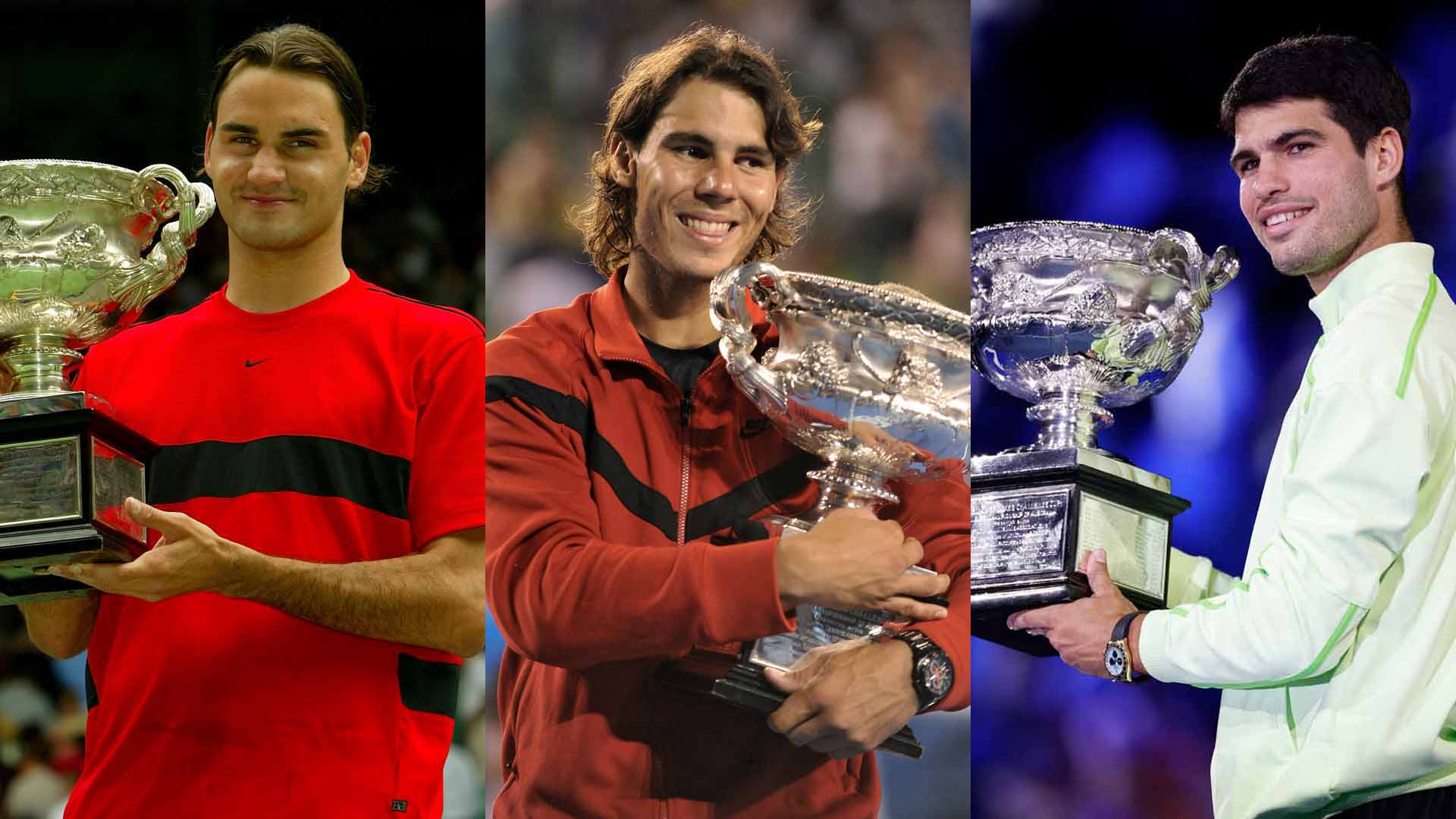
The design stems from his final win over Novak Djokovic, a five-set battle where Alcaraz’s explosive forehands inside-out carved through defenses, his net charges sealing history as the youngest Career Grand Slam holder. It joins his collection: a strawberry from Wimbledon, an Eiffel Tower for Roland Garros, and the Statue of Liberty marking the US Open. These symbols map his path, each one a nod to the surfaces and strategies that defined those runs.
“I’ve said it’s going to be a kangaroo, for sure, a little kangaroo,” Alcaraz said six weeks ago.
Streak snaps against Medvedev’s precision
Alcaraz stormed into 2026 unbeaten, a 16-0 blitz powered by heavy topspin that forced errors crosscourt and one–two serves that opened the court wide. That rhythm broke in Indian Wells semifinals, where Daniil Medvedev countered with flat backhands down-the-line, picking apart net approaches and exposing second-serve vulnerabilities. The defeat hit hard, shifting the season’s momentum from invincible to introspective, yet it echoed the mental pivots Alcaraz mastered in Melbourne’s pressure cooker.
Under Rod Laver Arena’s glare, he had sliced drop shots to disrupt Djokovic‘s baseline rhythm, reclaiming points with quick feet and varied spin. Now, post-loss, the tattoo serves as that same prompt—a visual cue to blend defense with his natural aggression, ensuring no rally slips away unanswered. Indian Wells’ faster bounce had amplified Medvedev’s returns, but Alcaraz’s adaptability shines in these resets.
Miami demands tactical reinvention
At the Miami Open presented by Itau, the No. 1 in the PIF ATP Rankings eyes a rebound, possibly against Joao Fonseca in the opener. Florida’s humid hard courts favor his topspin game, slower than Indian Wells but sticky enough to reward athletic retrievals and inside-in forehands that stretch opponents. He claimed the title here at 18, the youngest ever, using 1–2 patterns to pull foes off-balance before down-the-line finishes.
The kangaroo ink, visible in warm-ups, ties into this surface savvy— a reminder of Melbourne’s hardcourt mastery, where he adapted clay-honed agility to crisp bounces. Against Fonseca’s rising serve, expect Alcaraz to test backhand slices early, building rhythm through crosscourt exchanges that build pressure. Miami’s crowd energy, thick with expectation, will fuel his drive, turning the tattoo’s permanence into on-court fire.
As draws unfold at Hard Rock Stadium, Alcaraz channels these markers into sharper volleys and fewer unforced errors, erasing Indian Wells shadows. The ink doesn’t just commemorate; it propels, whispering resilience in every point tossed into Florida’s heat. With a deep run here, he’ll reaffirm why his body now charts a champion’s unyielding arc.