Doha’s Purse Powers 2026 Tennis Surge

With $2.8 million at stake in Qatar’s opener, players sharpen blades for a hardcourt swing where early wins forge season-defining edges.
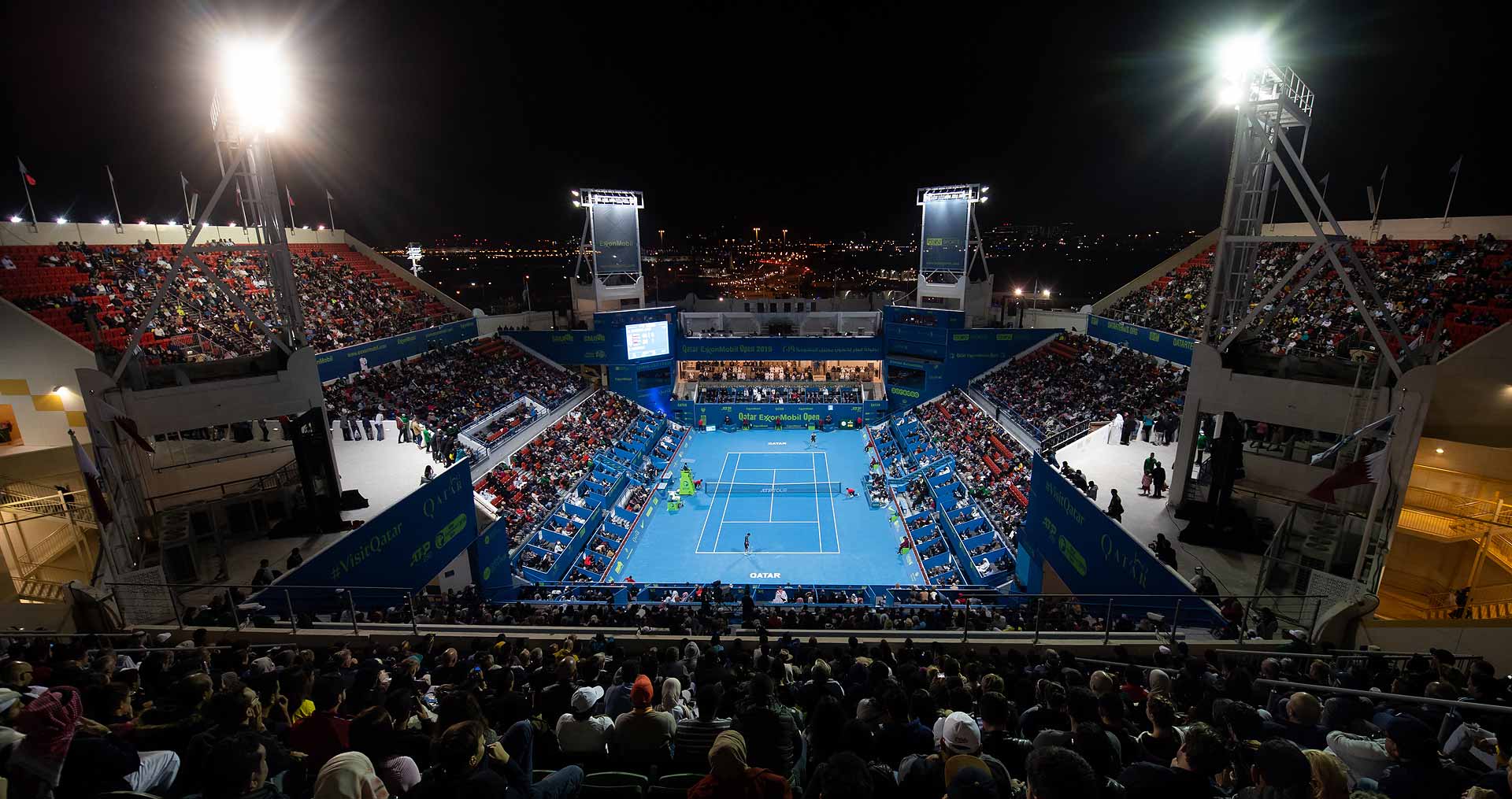
In the warming February haze of Doha, the Qatar ExxonMobil Open beckons as the ATP Tour’s inaugural hardcourt beacon of 2026, unfolding from 16-21 February with a $2,833,335 prize pool that stirs the competitive pulse. This windfall isn’t abstract incentive; it sharpens resolve for athletes emerging from Australian Open shadows, where a strong start can anchor rankings and mindset before the tour’s grueling rhythm takes hold. Contenders arrive eyeing the court’s medium pace, ready to unleash patterns that turn financial promise into on-court dominance.
Singles Cash Sharpens Tactical Edges
The singles champion claims $529,945, a haul that demands precision on Doha’s plexicushion surface, where low-bouncing serves invite aggressive returns. Players craft 1–2 patterns, firing wide serves followed by inside-out forehands that stretch opponents laterally, building pressure in baseline exchanges under the arena’s focused hum. A deep run here quiets offseason uncertainties, transforming tentative strokes into confident weapons as the draw tightens.
Returners crouch for skidding second serves, countering with heavy topspin to push foes deep and open angles for down-the-line backhands. Midfielders in the rankings sense opportunity, risking drop shots after prolonged rallies to disrupt seeded rhythms and climb the ladder. This prize escalation fuels bolder risks, where a single tiebreak hold preserves not just games, but the runway for sustained campaigns.
Doubles Split Forges Partner Trust
For doubles teams, dividing $174,050 rewards seamless coordination, pulling specialists from singles orbits into net-focused duos amid the event’s compact schedule. Partners synchronize volleys and crosscourt lobs, poaching alleys to punish weak returns on the consistent hardcourt bounce. The shared pot builds quiet intensity, echoing through later team events where early synergy prevents midseason fractures.
One player advances after the other’s overhead, turning defensive underspin into offensive surges without the solo spotlight’s glare. This format tests adaptability, as pairs adjust to Doha’s tempo—quick feet for lateral covers, varied depth to neutralize lobs—while balancing individual pursuits. Success here plants seeds of resilience, vital when doubles slates demand unwavering harmony.
Rankings Points Amplify Early Pressures
PIF ATP Rankings points elevate the tournament’s draw, compelling swift tactical shifts like slicing backhands to counter aggressive baselines on the medium-fast courts. A quarterfinal berth vaults players toward top-50 security, intertwining financial and positional stakes in every point. As the desert sun climbs, this February window weaves recovery with ambition, setting trajectories for those who master the surface’s subtle grip.
Crowd murmurs in Khalifa International Tennis Complex urge net rushes on key points, amplifying the mental push to vary pace against flat hitters. Coaches pore over adjustments, simulating inside-in winners to exploit low skids, ensuring no early exit derails broader goals. Doha doesn’t merely compensate; it molds the narrative of endurance, propelling adapted players toward the season’s unfolding battles.


