Wimbledon prize rise leaves deeper issues unresolved

A record twenty percent jump in the All England Club purse meets cautious approval from players who still seek structural change before the grass courts open.
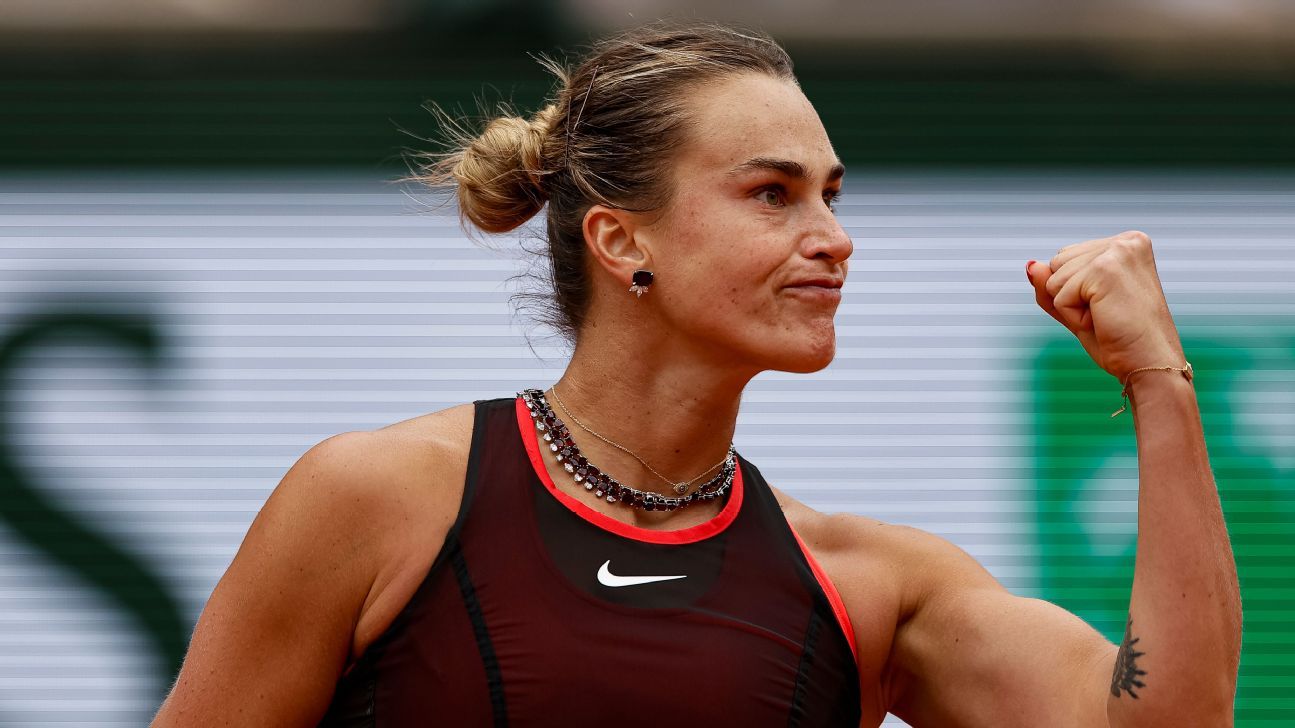
Leading players have welcomed Wimbledon’s record increase in prize money but insisted significant issues remain unresolved as the 2026 championships draw near.
The All England Club lifted the total pot by 10.7 million pounds to 64 million pounds, a twenty percent leap that players described as the largest single-year uplift in the tournament’s history.
Leading players from the ATP and WTA Tours welcome Wimbledon’s 2026 prize money announcement as a genuine and significant step forward - the 20 per cent increase is the largest single-year uplift in the tournament’s history and a meaningful signal of intent. Players want to see Wimbledon continue to thrive and support the investment the tournament makes in the game. The question has never been whether those investments are valuable, but whether the athletes whose performances drive the event’s global success should receive a fair share of its tremendous financial growth. Our goal is not to diminish that success, it is to ensure that its continued growth benefits equitably everyone who contributes to it. At the same time, players are clear that [Thursday’s] announcement, while genuinely welcomed, does not yet resolve the structural issues they have been raising with the grand slams for the past year. Progress on those issues remains outstanding.
Season-long strain shapes mental approach
The French Open protest limited media windows to fifteen minutes after a 9.5 percent rise left prize money near fifteen percent of revenue, and that tension carried forward into preparations for the faster surface. Players now weigh every grass-court match for its effect on the rankings ladder while the fourteen point four percent revenue share sits below the 14.9 percent mark from 2015.
Coaches drill inside-out forehands and inside-in backhands earlier in the week, knowing that any loss of focus from stalled grand-slam talks can turn a routine crosscourt rally into an error. What we learned from Serena Williams’ first match back illustrates how quickly momentum can shift when external pressures ease, offering a template for the mental clarity these players seek at Wimbledon.
Points end faster on grass and small lapses in concentration prove costly, so athletes adjust training loads and recovery patterns to stay sharp while negotiations drag on. The proposed interim target of sixteen percent, or 71 million pounds, remains on the table as they seek a clearer path toward the twenty-two percent goal by 2030.
Pressure builds toward grass-court reset
Debbie Jevans emphasized the club’s non-profit status and facility investments, yet that framing has done little to ease the sense among athletes that their contributions deserve a clearer formula. How Mirra Andreeva delivered on the hype -- to win the French Open showed the value of staying present amid high expectations, a lesson many will apply while navigating the current impasse.
Coaches emphasize earlier preparation for down-the-line winners and shorter backswings to exploit the faster conditions, with slice and underspin patterns becoming central to match plans. The absence of a formal reply on a player welfare fund covering health, pension and maternity leaves some hesitant about long-term planning.
They continue to push for a transparent revenue-sharing formula and a player council that would give them voice in grand-slam decisions, even as the 2026 announcement marks the largest single-year uplift in history. Surface speed on the All England lawns rewards players who keep their 1–2 patterns crisp even when off-court issues intrude.
Forward momentum hinges on continued dialogue
Organizers argue that revenue percentages alone ignore broader responsibilities that exceed those of a Masters 1000 event, yet players maintain that equitable sharing would strengthen the entire ecosystem. Larry Scott has heard the club’s position repeatedly, but the gap between fourteen point four percent and the twenty-two percent target at leading tour stops still feels wide.
Attention now turns to how both sides will use the coming weeks to narrow the divide before the first ball is struck on the lawns. Players accept that Wimbledon must fund facilities and development, yet they maintain that performances fuel the financial growth and should receive a fairer cut.
As the grass season unfolds, the rankings math will reward those who convert tactical clarity into results while the larger revenue conversation continues without a formal reply. The psychological arc of the season remains incomplete until structural points receive movement.