2026 United Cup Fires Up National Rivalries

From Perth’s sun-baked courts to Sydney’s electric arenas, the 2026 United Cup launches the tennis year with mixed-team intensity, where early tactical edges and mental fortitude could reshape player trajectories before the majors heat up.
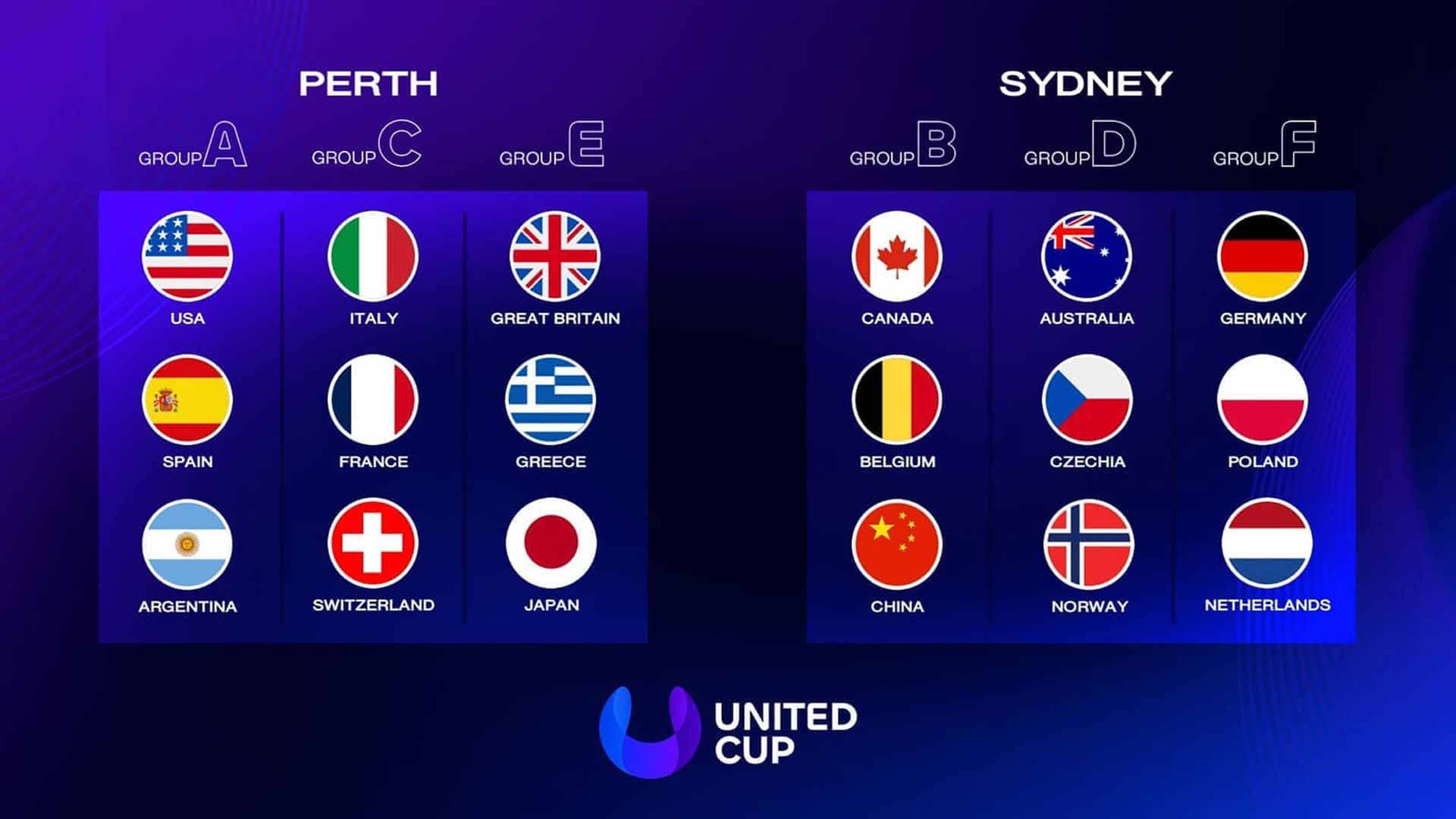
The 2026 United Cup storms into Perth and Sydney from January 2 to 11, drawing nations into a mixed-teams frenzy that blends raw power with subtle team synergies on medium-paced hard courts. Players step onto these surfaces carrying the weight of fresh resolutions, their serves and slices tested in ties that demand instant adaptation. As the ball skids quicker under Australian lights, every inside-out forehand carries the spark of a season’s potential turning point.
Perth groups demand serve precision
Group A in Perth spotlights the United States squad, where Taylor Fritz leads alongside Mackenzie McDonald and Christian Harrison, their booming deliveries meshing with women’s firepower from Coco Gauff, Varvara Lepchenko, and Nicole Melichar-Martinez. Fritz’s flat trajectories exploit the true bounce, but he’ll need sharp crosscourt redirects to neutralize returns in decisive rubbers. The pressure builds as they integrate doubles poaches, forging early momentum against rivals probing for weaknesses.
Spain’s draw brings Jaume Munar, Carlos Taberner, and Inigo Cervantes, whose baseline patience faces the hard court’s skid. Munar’s heavy topspin forces defensive underspin, setting up down-the-line passes, while Cervantes’s net approaches add edge in mixed pairings. These early clashes test their rhythm, with crowd murmurs amplifying the stakes for a confident group exit.
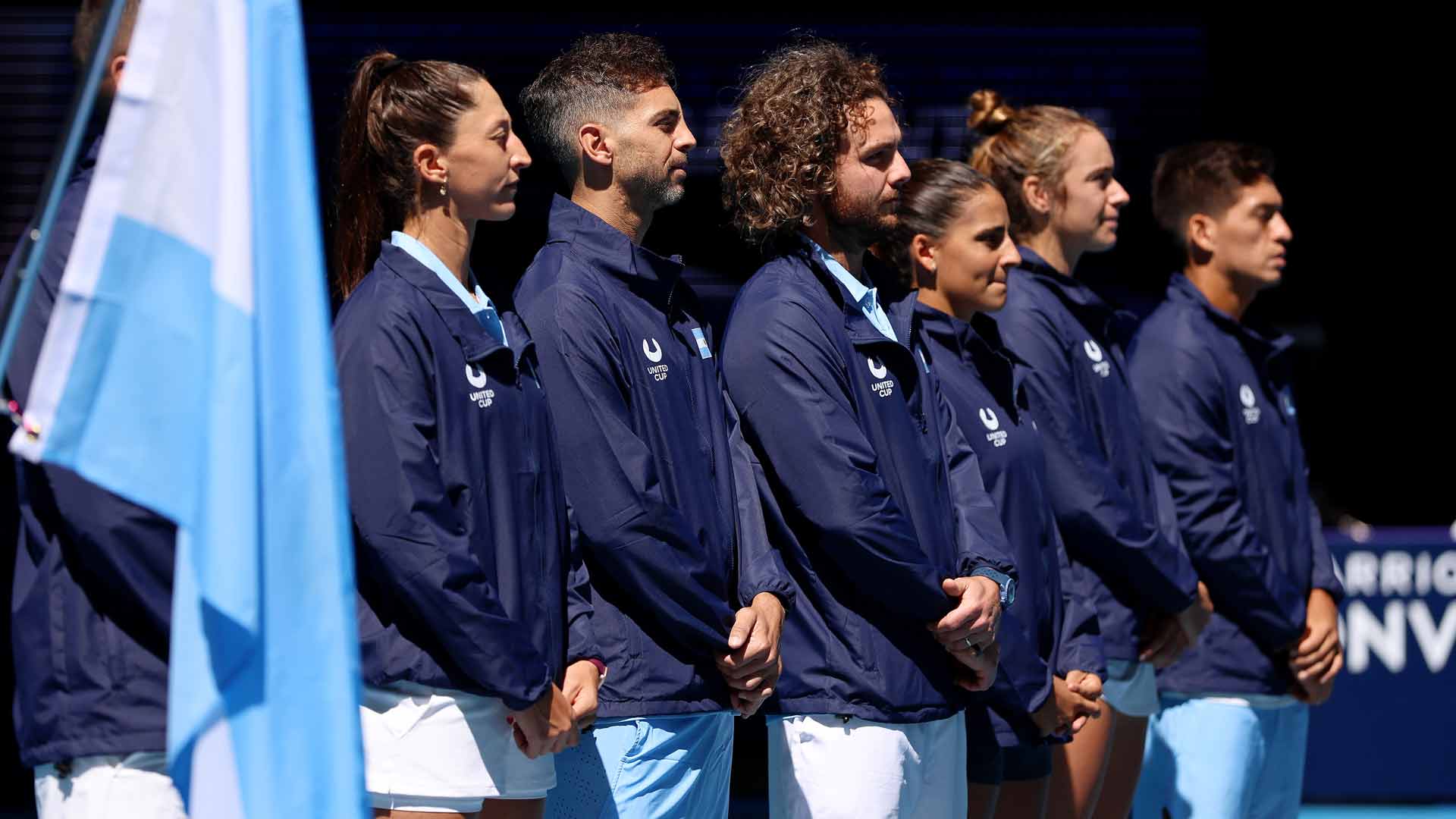
Argentina fields Sebastian Baez, Marco Trungelliti, and Guido Andreozzi, leaning on gritty counters to extend rallies. Baez’s low slices disrupt aggressive 1–2 patterns, but quicker points demand quicker footwork adjustments. Doubles synergy here could swing ties, easing the mental load as they eye knockout berths.
Sydney arenas fuel adaptive grinds
Canada’s Group B in Sydney features Felix Auger-Aliassime, Alexis Galarneau, and Cleeve Harper, blending explosive serves with women’s depth from Victoria Mboko, Kayla Cross, and Ariana Arseneault. Auger-Aliassime’s kickers climb high, opening courts for inside-in winners, yet return depth will counter power threats. The home-like energy tests their focus, turning each point into a step toward semifinal contention.
Australia’s Group D charges with Alex de Minaur, Jason Kubler, and John-Patrick Smith, their speed thriving amid local cheers alongside Maya Joint, Maddison Inglis, and Storm Hunter. De Minaur’s retrieval forces errors with short angles, but he’ll vary slices to handle topspin walls. National expectations sharpen their transitions, promising rallies that echo through the venue.
Germany’s Group F unleashes Alexander Zverev, Patrick Zahraj, and Kevin Krawietz, Zverev’s inside-out power dominating the bounce with Eva Lys, Laura Siegemund, and Mina Hodzic. His precise returns set up volley finishes, but doubles volleys must sync against speedy foes. The arena’s pulse heightens the drive for a deep run.
Depth squads chase breakout moments
Italy’s lineup includes Flavio Cobolli, Andrea Pellegrino, and Andrea Vavassori, their all-court versatility probing weaknesses. Cobolli’s inside-in forehands widen the court, complemented by Vavassori’s lob-overhead mixes in doubles. Tactical shifts here could unlock upsets, building quiet confidence for the year ahead.
France counters with Arthur Rinderknech, Geoffrey Blancaneaux, and Edouard Roger-Vasselin, emphasizing net rushes. Rinderknech’s serves gain bite, forcing short balls for approaches, while Roger-Vasselin’s touch stabilizes mixed rubbers. They adapt return positions to the low bounce, turning pressure into poised advances.
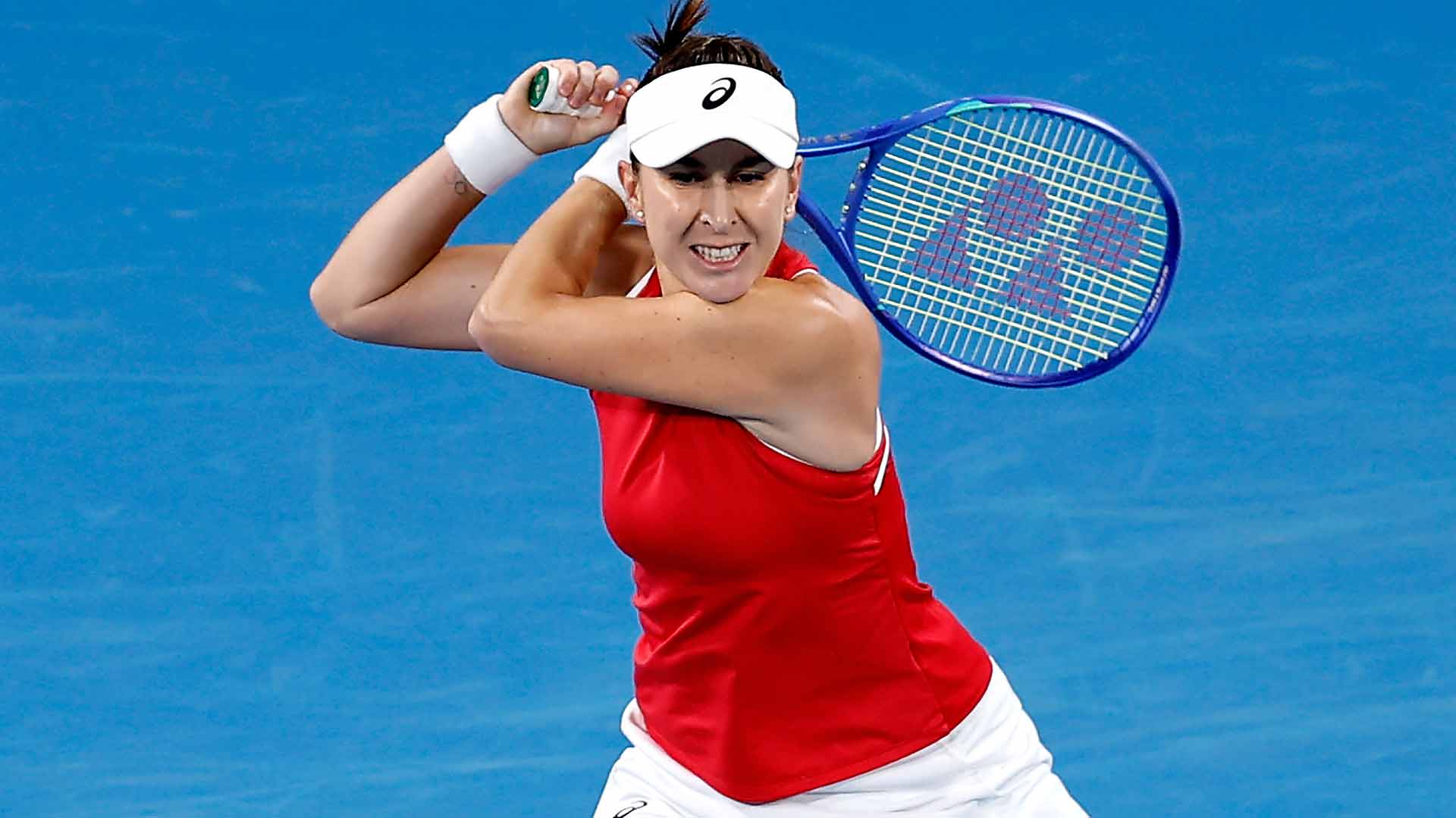
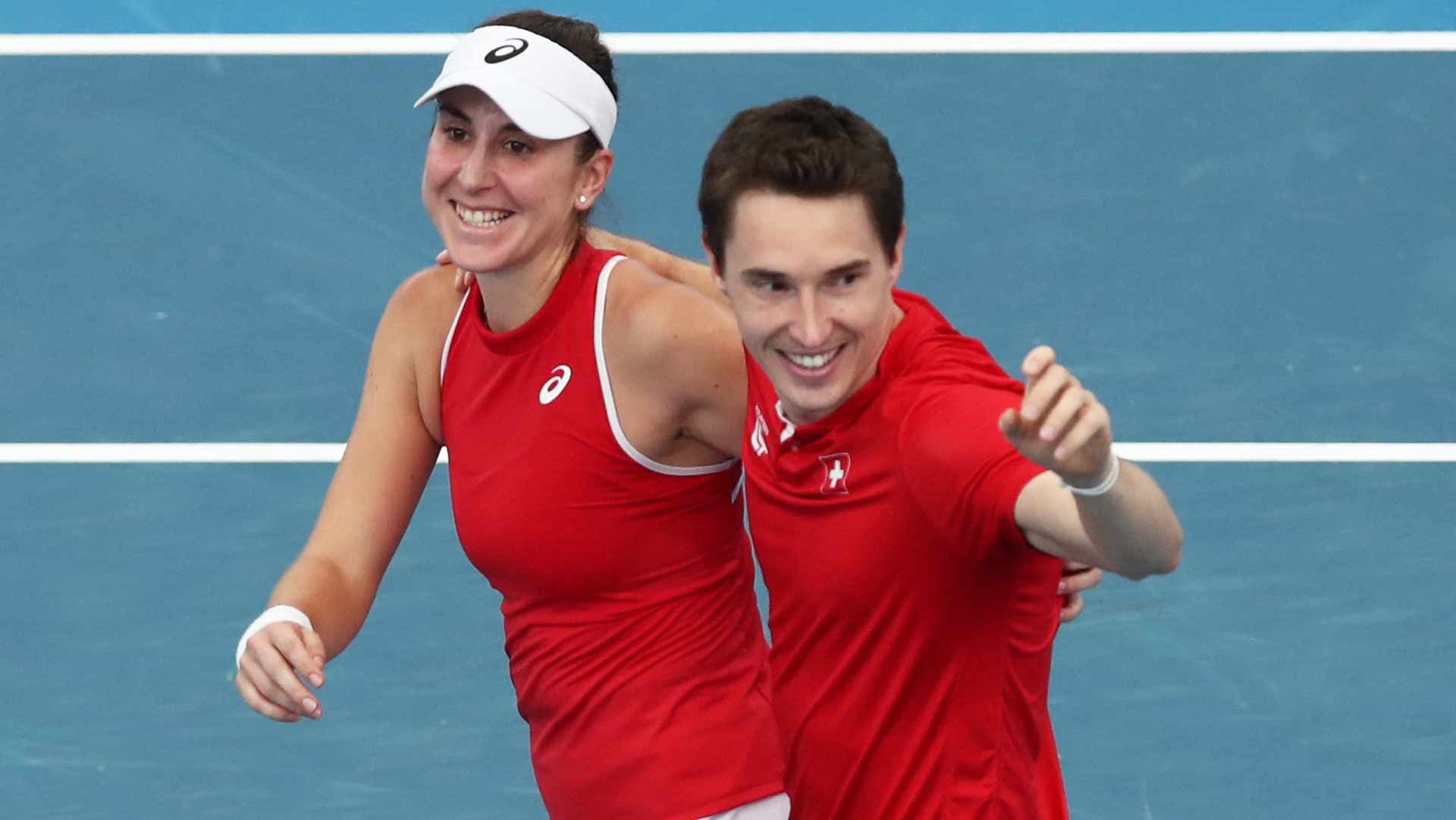
Switzerland banks on Stan Wawrinka, Jakub Paul, and Luca Castelnuovo, Wawrinka’s backhand slices carving angles. His one-handed flair suits the surface, but endurance fuels their doubles poise. Veteran calm tempers the squad’s nerves in tight ties.
Great Britain fields Billy Harrison, Jan Choinski, and Neal Skupski, with Emma Raducanu, Katie Swan, and Olivia Nicholls adding depth. Harris‘s steady probing builds points, ideal for baseline grinds, while Skupski’s net play adds control. Aggressive returns offset serve holds, shaping their group survival.
Greece deploys Stefanos Tsitsipas, Stefanos Sakellaridis, and Petros Tsitsipas, family bonds sharpening drop-shot variations. Tsitsipas’s paces counter the hard pace, promising doubles upsets. Their synergy ignites the court, eyeing ranking boosts.
Japan’s Shintaro Mochizuki and Yasutaka Uchiyama prioritize retrieval, quick feet forcing errors. Mochizuki’s footwork neutralizes power, with serve holds key to advances. Precision in mixed play sparks potential breakthroughs.
Belgium mixes Zizou Bergs, Kimmer Coppejans, and Sander Gille, Bergs’s backhand down-the-lines piercing defenses. Gille’s doubles experience stabilizes, suiting the bounce. Steady aggression positions them for surprises.
Czech Republic’s Jakub Mensik, Dalibor Svrcina, and Adam Pavlasek rely on flat serves for net rushes. Mensik’s bombs open courts, with consistency driving depth. Synergy in doubles turns groups into launches.
Norway pairs Casper Ruud and Viktor Durasovic, Ruud’s topspin walls forcing errors. Quicker points test serve tweaks, vital for top retention. Defensive resolve steels them for the grind.
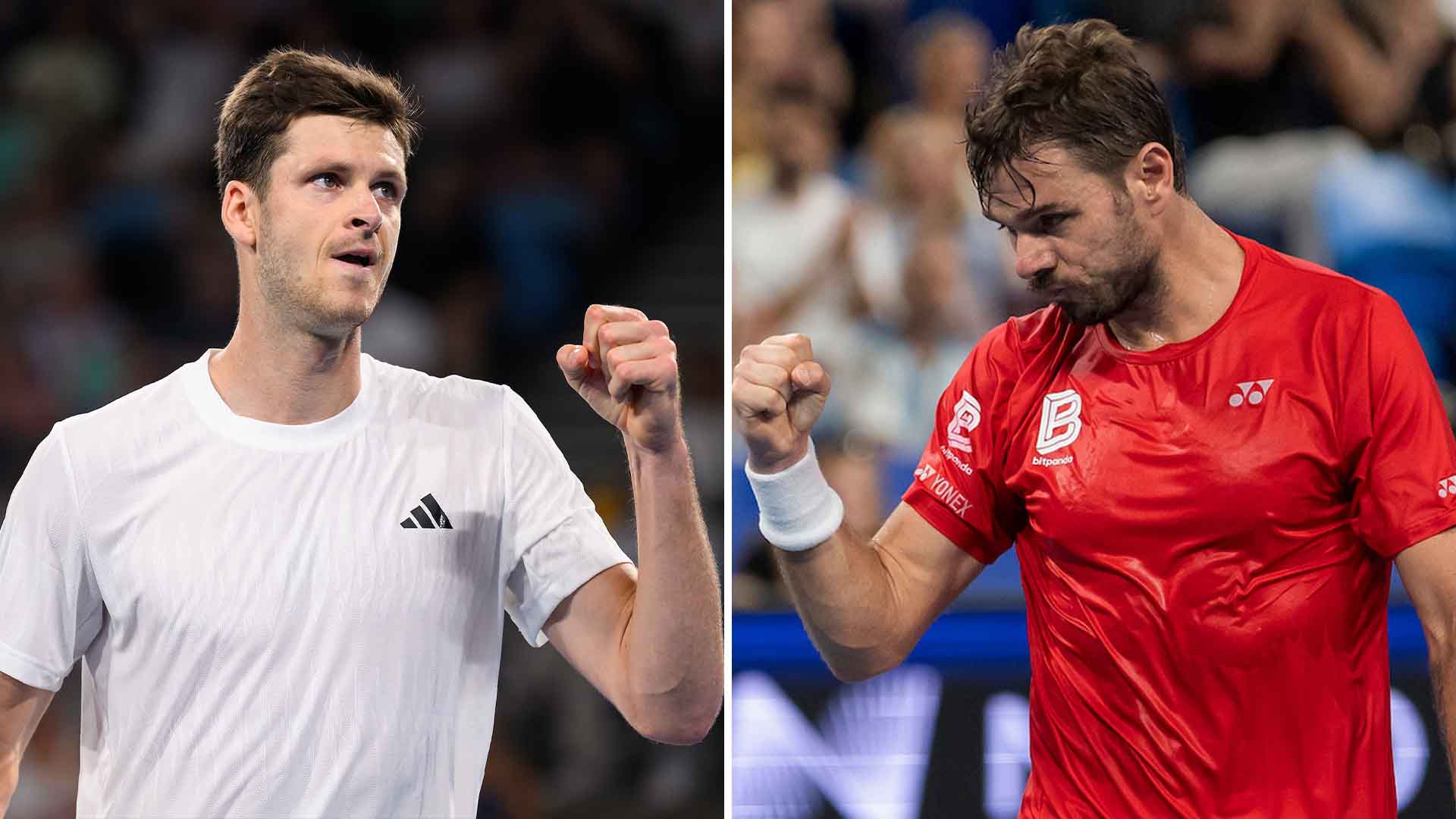
Poland’s Hubert Hurkacz, Daniel Michalski, and Jan Zielinski ace through approaches. Hurkacz’s crosscourts carve openings, with Zielinski’s net elevating mixes. Baseline depth forecasts contention.
The Netherlands closes with Tallon Griekspoor, Guy Den Ouden, and David Pel, Griekspoor’s forehands pressuring returns. Pel’s finesse controls doubles, against spin foes. Shifts define their path forward.
As ties progress, these squads’ adaptations—from serve variations to rally endurance—will reveal who seizes the psychological upper hand, setting tones for a year of relentless pursuit.