Vondrousova confronts the weight of an unexpected ban

A routine evening at home spirals into a four-year suspension that leaves the 2023 Wimbledon champion without the patterns and surfaces that once defined her days.
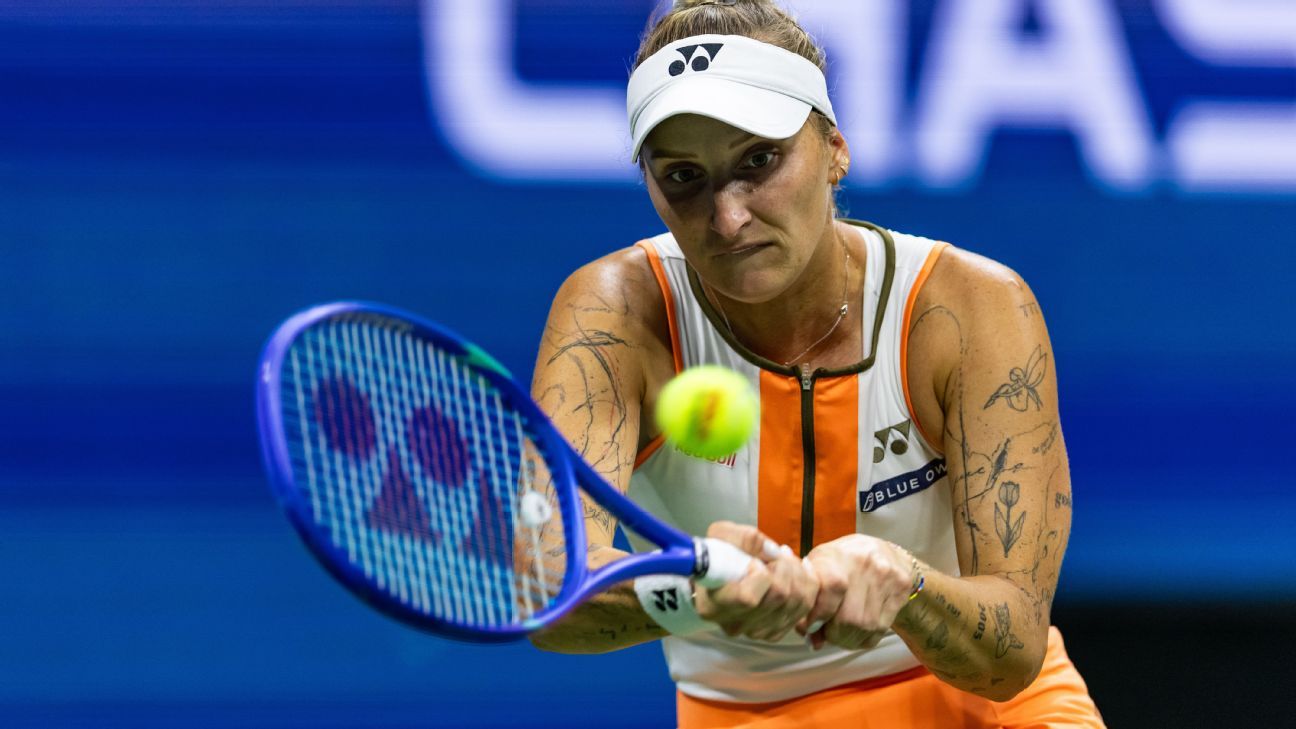
Marketa Vondrousova stepped away from the court after a season of constant movement between surfaces, her game built on quick adjustments from slice to aggressive inside-out strikes. The December 2025 refusal at her apartment now pauses everything at age 26, with the tribunal decision landing on a Monday that sent ripples through the sport.
Marketa Vondrousova was suspended for four years after refusing to take an anti-doping test in December 2025. The ITIA ruling cited no compelling justification despite her account of the encounter.
“In that moment it was about feeling safe, not about avoiding anything.”
She described the late arrival in a detailed explanation on her Instagram that referenced an acute stress reaction triggered outside her designated hour. The memory of a past home invasion involving her compatriot surfaced immediately.
Protocol timing triggers acute reaction
Petra Kvitova endured a similar invasion years earlier, and the memory surfaced instantly for Vondrousova as she weighed whether to open the door. Players ranked inside the top 100 are required to provide their whereabouts for one hour every day, 365 days a year, yet agents retain the right to test outside that window without penalty for absence.
Both reigning Wimbledon champions have recently undergone suspensions after positive tests, with Jannik Sinner accepting three months and Iga Swiatek taking one month for contamination cases. Simona Halep saw her own four-year ban reduced on appeal, while Maria Sharapova navigated a similar multiyear sanction that was later shortened.
Jenson Brooksby and Mikael Ymer each received 18-month penalties for three missed tests in a 12-month span. Denis Shapovalov, currently ranked No. 41, publicly questioned consistency across cases. Tara Moore continues to fight a four-year suspension linked to contaminated meat, describing the process in an interview with ESPN last year as exhaustive.
Appeal window opens after written verdict
Jan Exner, Vondrousova’s lawyer, told the AFP on Monday that an appeal to the Court of Arbitration for Sport remains possible after the written verdict arrives. Vondrousova posted a long statement on Instagram on Monday insisting she has never failed a test and describing the mental toll of uncertainty.
Several players including Sloane Stephens, Paula Badosa, Marta Kostyuk, Karolina Muchova and 2023 Wimbledon runner-up Ons Jabeur responded with supportive messages. Sorana Cirstea, the world No. 18, wrote that she could not believe the outcome.
The four-year period stretches across what would have been prime competitive years, removing any chance to adjust one-two patterns or inside-in approaches on upcoming surfaces. Her former world No. 6 standing now faces a complete reset once the ban lifts, with no opportunity to accumulate points or refine slice approaches against evolving opponents. The ITIA structure sets the four-year starting point precisely to avoid any incentive for refusal over a positive test, a calculation that leaves the 26-year-old without matches until age 30. Unpredictable testing is an essential tool to protect clean sport. The tribunal found no compelling justification, resulting in the ban that runs until June 21, 2030 when she turns 30. Vondrousova had refined her inside-out forehand and crosscourt heavy topspin to handle the shift from grass to hard courts before the suspension interrupted that rhythm. Whereabouts rules reshape daily preparation. The suspension removes any chance to adjust one-two patterns or inside-in approaches on upcoming surfaces. Her former world No. 6 standing now faces a complete reset once the ban lifts, with no opportunity to accumulate points or refine slice approaches against evolving opponents. The ITIA structure sets the four-year starting point precisely to avoid any incentive for refusal over a positive test, a calculation that leaves the 26-year-old without matches until age 30. Marketa Vondrousova carried the weight of expectations through a packed calendar that left little room for recovery between surfaces and time zones. Pressure builds through relentless travel. Her game had thrived on quick transitions from slice to aggressive down-the-line strikes, but the schedule left scant space to reset mentally after each swing of momentum. She had already navigated the demands of hard courts and clay swings, adjusting her inside-out patterns and crosscourt heavy topspin to counter opponents who fed on any dip in focus. The season-long accumulation of travel, ranking pressure and the constant readiness for out-of-competition checks had already frayed her resilience, turning what began as a standard whereabouts obligation into a moment where fear overrode protocol. Her negative test three days later underscored that the refusal stemmed from an acute reaction rather than any intent to evade scrutiny, yet the tribunal found no compelling justification under the rules designed to keep testing unpredictable. Rebuilding a sense of agency now requires navigating life outside the rhythms that defined her from junior days through Wimbledon triumph, with the four-year period stretching across what would have been prime competitive years. Fellow players who faced similar hearings described the abstract nature of the system, where even cleared athletes carry the scars of prolonged uncertainty into any attempted return. Vondrousova’s emphasis on never having failed a test before or since highlights how one evening altered the trajectory built on consistent preparation and mental clarity under pressure. At thirty she would regain eligibility in 2030, yet the absence of a defined plan leaves her first without the one-two patterns and surface adjustments that once anchored her identity on court. The season-long accumulation of travel, ranking pressure and the constant readiness for out-of-competition checks had already frayed her resilience, turning what began as a standard whereabouts obligation into a moment where fear overrode protocol. Her negative test three days later underscored that the refusal stemmed from an acute reaction rather than any intent to evade scrutiny, yet the tribunal found no compelling justification under the rules designed to keep testing unpredictable. Rebuilding a sense of agency now requires navigating life outside the rhythms that defined her from junior days through Wimbledon triumph, with the four-year period stretching across what would have been prime competitive years. Fellow players who faced similar hearings described the abstract nature of the system, where even cleared athletes carry the scars of prolonged uncertainty into any attempted return. Vondrousova’s emphasis on never having failed a test before or since highlights how one evening altered the trajectory built on consistent preparation and mental clarity under pressure. Looking ahead without a clear map. She posted a long statement on Instagram on Monday that captured the daily uncertainty and loss of control that had already eroded her sense of direction long before the tribunal ruling. The suspension removes any chance to adjust one-two patterns or inside-in approaches on upcoming surfaces. Her former world No. 6 standing now faces a complete reset once the ban lifts, with no opportunity to accumulate points or refine slice approaches against evolving opponents. The ITIA structure sets the four-year starting point precisely to avoid any incentive for refusal over a positive test, a calculation that leaves the 26-year-old without matches until age 30.