Alcaraz Stands One Win from Tennis Immortality

Carlos Alcaraz eyes the final at the 2026 Australian Open, the last hurdle to a career Grand Slam. As history beckons, the young Spaniard carries the weight of legends who conquered all four majors.
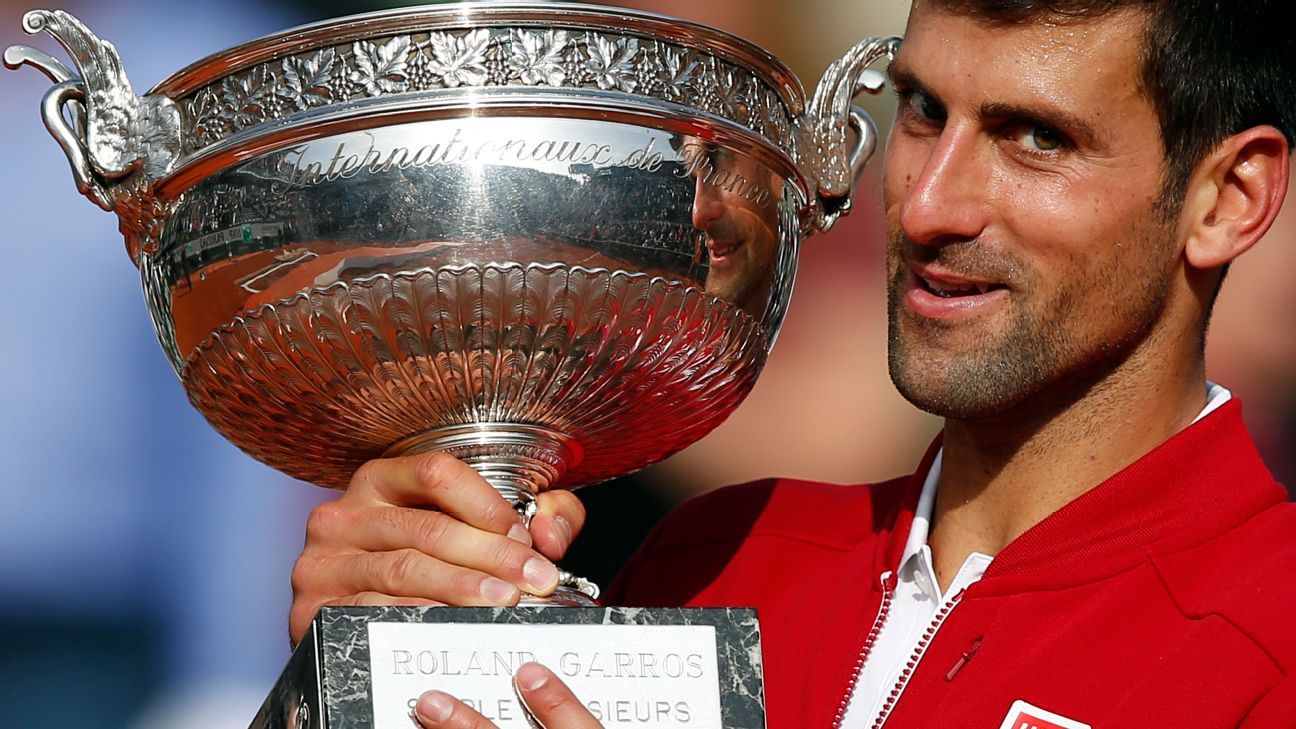
In Melbourne’s baking heat, Carlos Alcaraz bounces on his toes, the Rod Laver Arena crowd humming with anticipation. He’s dismantled the field at the French Open, Wimbledon, and US Open, but the Australian Open remains his white whale. After a brutal five-set semifinal victory over Alexander Zverev in the 2026 Australian Open semifinal, Alcaraz stands one match from etching his name among tennis’s immortals as the ninth and youngest man to claim a career Grand Slam.
Pressure mounts across surfaces
The chase for all four majors spans years of shifting terrains, from clay’s grind to grass’s slipperiness. Alcaraz, at 22, has navigated this gauntlet with a blend of explosive athleticism and tactical patience, his heavy topspin forehand adapting from Wimbledon’s low bounces to New York’s speedy decks. That semifinal against Zverev tested his resolve, where inside-out forehands stretched the court wide, forcing errors in the decider as sweat blurred his vision.
Yet the mental toll lingers, each near-miss in prior Australian Opens fueling a fiercer drive. Players in this pursuit learn to reset amid the tour’s relentless rhythm, channeling doubt into sharper returns and bolder net rushes. For Alcaraz, the final promises isolation under the lights, where a single down-the-line winner could silence the ghosts of unfinished business.
Men’s trailblazers forge the path
Novak Djokovic capped his career Grand Slam at the 2016 French Open, his elastic defense finally cracking clay’s endurance test after years of baseline duels. Rafael Nadal followed suit at the 2010 US Open, his one-two punch of spin and speed overwhelming hard-court foes under night sessions. Roger Federer completed his at the 2009 French Open, slicing backhands to tame the red dirt he once approached warily.
Andre Agassi’s 1999 French Open breakthrough came via inside-in forehands on a surface that once broke him, marking a comeback etched in grit. Roy Emerson sealed his at 1964 Wimbledon with serve-volley precision across eras, while Rod Laver did so at the 1962 U.S. National Championships, his all-court game bridging divides. Don Budge achieved it at the 1938 French Championships, and Fred Perry at the 1935 French Championships, both pioneers in tennis’s early chapters.
Alcaraz draws from these stories, his youth amplifying the stakes as he eyes joining them, racket in hand, ready to unleash crosscourt passes that echo their triumphs.
Women’s icons conquer the calendar
Maria Sharapova finished her set at the 2012 French Open, her groundstrokes booming through injury setbacks on the clay. Serena Williams locked hers at the 2003 Australian Open, serves cracking like thunder in a dominant return. Steffi Graf wrapped it at the 1988 US Open, her forehand arrows piercing every surface with unerring accuracy.
Martina Navratilova achieved the feat at the 1983 US Open, her serve-and-volley blending power with poise built over decades. Chris Evert completed hers at the 1982 Australian Open, flat shots slicing through grass she grew to master. Billie Jean King did so at the 1972 French Open, her tenacity mirroring the era’s fights, while Margaret Court at the 1963 Wimbledon.
Shirley Fry ended hers at the 1957 Australian Open, Doris Hart at the 1954 US Open, and Maureen Connolly at the 1953 French Championships, each battling the majors’ spaced-out demands. Their legacies remind Alcaraz that victory here means more than silverware—it’s a psychological summit, with the ESPN tennis hub page offering rankings and scores to track the pulse of this pursuit.