Wawrinka and Monfils Gain Wild Cards for Farewell Roland Garros

As their careers near the end, the veterans trade qualification stress for focused clay work ahead of the May 24 start, where inside-out patterns and heavy topspin could define their final runs.
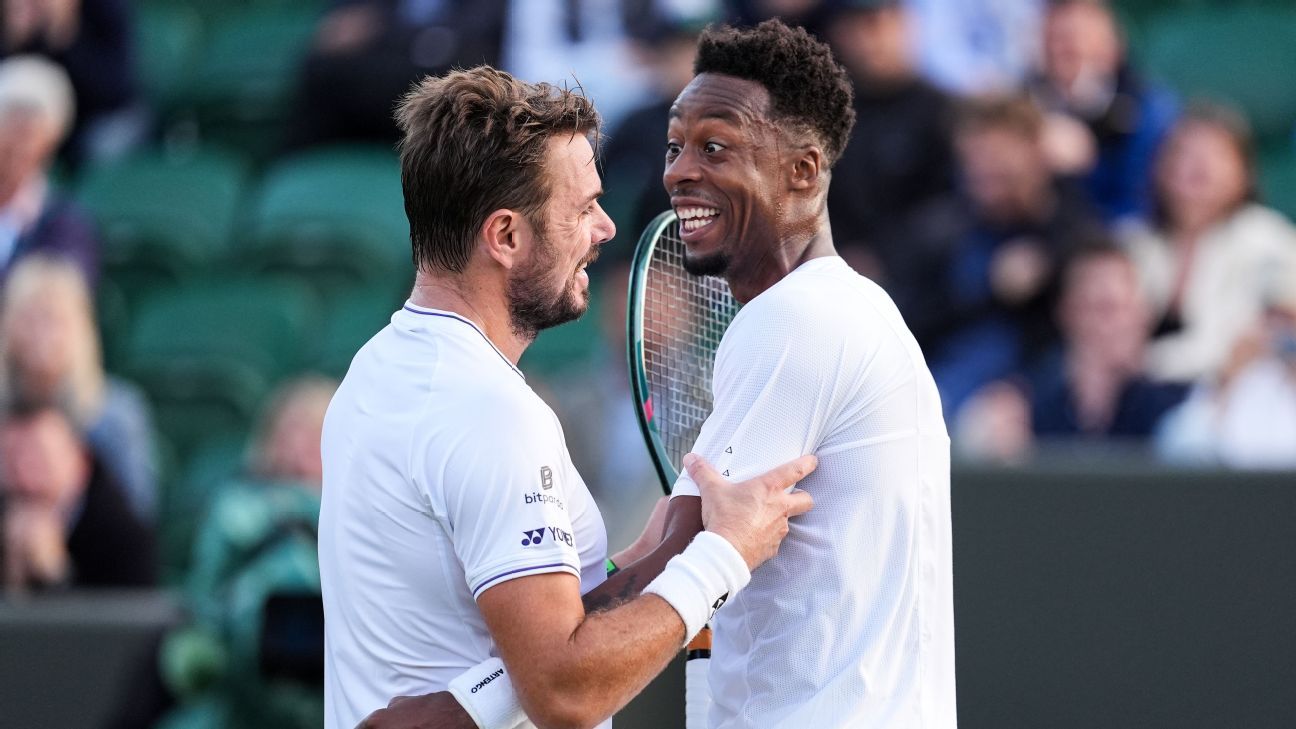
Three-time Grand Slam champion Stan Wawrinka and fellow retiring player Gael Monfils were given wild cards for the French Open on Monday. The 41-year-old Wawrinka won Roland Garros in 2015 and is now ranked No. 125. The 39-year-old Monfils reached the semifinals in Paris in 2008 and is now No. 222.
Wild cards ease late-season load
Carrying season-long mental weight, Wawrinka and Monfils plan to retire at the end of the year and both will be honored after their final matches in Paris. The wild cards ease some of the qualification burden that has built across recent months. Each player can now channel energy into patterns like inside-out forehands and crosscourt slices rather than worrying about ranking points alone.
Also given wild cards by French Open organizers to the men’s draw were Nishesh Basavareddy, Titouan Droguet, Hugo Gaston, Arthur Gea, Moise Kouame and Adam Walton. These additions create a broader field where experience meets emerging talent under the same pressure to perform immediately.
Clay surface rewards spin and patience
Both veterans know how heavy topspin and down-the-line changes of direction can shift momentum in best-of-five sets. Wawrinka has long relied on a measured one-two combination to open the court, while Monfils uses his reach to turn defense into sudden inside-in attacks. The wild card removes the need for extra matches beforehand, letting them refine footwork and timing without the added layer of stress from a preliminary draw.
The women’s wild cards went to Clara Burel, Ksenia Efremova, Fiona Ferro, Leolia Jeanjean, Emerson Jones, Sarah Rakotomanga, Alice Tubello and Akasha Urhobo. Clay rewards spin and patience, so Wawrinka will lean into crosscourt heavy topspin exchanges that pull opponents wide before finishing down-the-line, while Monfils rebuilds his inside-in transitions that once disrupted defenses in Paris.
Building toward the May 24 start
The clay-court Grand Slam starts on May 24. That date gives both players a short window to lock in serve placement and return positioning. With the psychological arc of farewell matches ahead, the priority remains staying present rather than projecting what comes after the final point. Crowd energy at Roland Garros often rewards those who show vulnerability on court, lifting every winner while amplifying errors for players closing careers.