Wawrinka Frames 2026 as Career’s Closing Act

Stan Wawrinka, at 40, declares 2026 his final tour year, a poignant end to a career etched in backhand brilliance and major upsets. As he gears up for the United Cup in Perth, the Swiss veteran’s resolve sharpens every rally ahead.
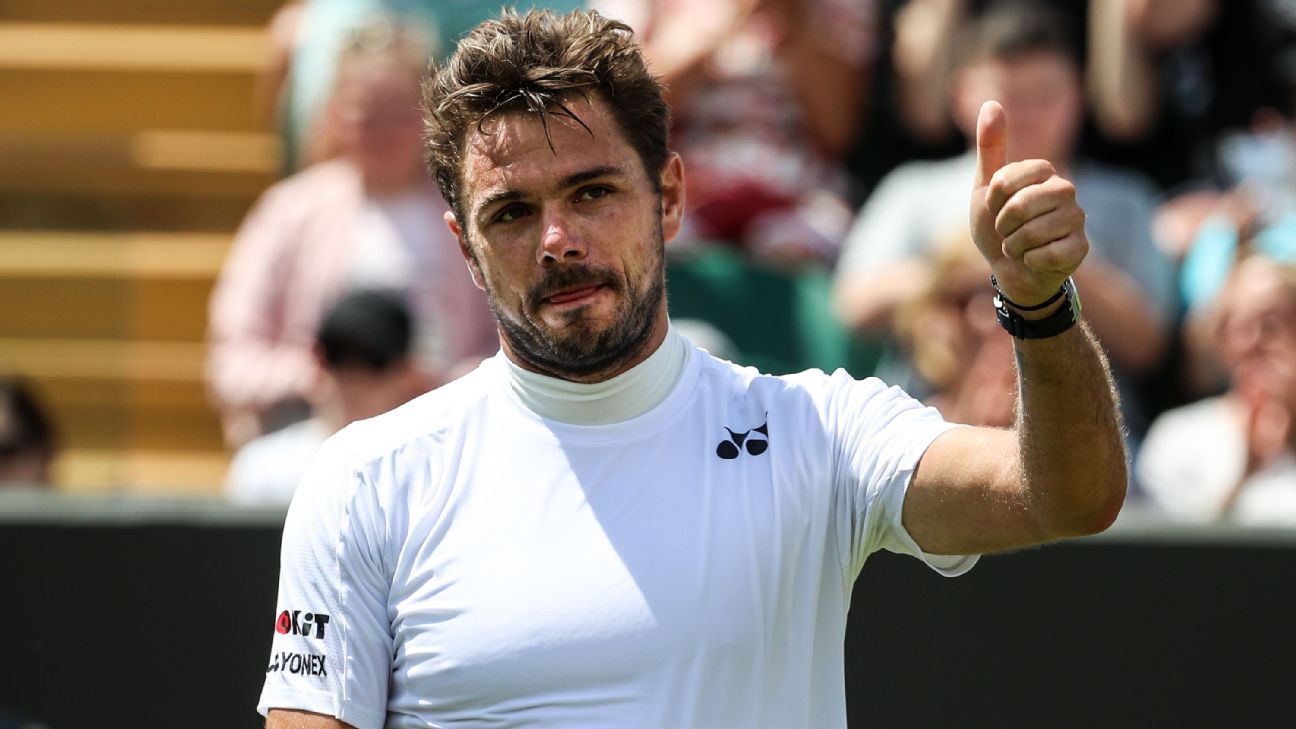
Stan Wawrinka has drawn the line at 2026, marking it as the close of his professional odyssey that began in 2002. The three-time major winner built a legacy with 16 tour singles titles, his one-handed backhand slicing through defenses on every surface. Now, entering his last season, he carries the weight of triumphs that redefined underdog narratives, turning baseline battles into personal reckonings.
His path peaked with victories over the No. 1-ranked player in the finals of the 2014 Australian Open (Rafael Nadal), the 2015 French Open (Novak Djokovic) and the 2016 U.S. Open (Djokovic). Those matches showcased his inside-out forehands pulling opponents off-balance, followed by crosscourt backhands that landed heavy and deep. Wawrinka and Roger Federer captured the 2008 Beijing Olympics doubles gold, a partnership that fueled Switzerland’s only Davis Cup win in 2014.
“One last push,” Wawrinka wrote on social media on Friday. “Every book needs an ending. it’s time to write the final chapter of my career as a professional tennis player. 2026 will be my last year on tour.”
🎾ONE LAST PUSH🎾
Every book needs an ending📕
it’s time to write the final chapter of my career as a professional tennis player 📝
2026 will be my last year on tour
P perseverance
A ambition
S sacrifice
S success
I injuries
O obsession
N never give up
D discipline
R... pic.twitter.com/CJlA8gCN8Y— Stanislas Wawrinka (@stanwawrinka) December 19, 2025
Perseverance shapes the farewell push
The announcement, shared on December 19, 2025, via social media, reveals a career defined by perseverance through injuries and the ambition that drove late surges on clay and hard courts. He joins the rare trio of players to defeat Nadal, Djokovic, Federer and Andy Murray at the Grand Slams, each win a tactical pivot under the glare of major pressure. At 40, Wawrinka hasn’t claimed a singles trophy since 2017, yet his discipline sharpens focus for one final season starting January 2 at the United Cup in Perth.
Crowds there will feel the tension in Australia’s summer heat, where every serve echoes years of sacrifice. He’ll lean on the 1–2 pattern—serve into a slicing backhand approach—to disrupt younger players’ rhythms, varying underspin depths to force errors from baseline grinders. This mental grind turns matches into explorations of resolve, with the Swiss veteran’s obsession fueling adjustments against fading explosiveness.
Tactical edges for the last rallies
Wawrinka’s game, once powered by flat-line backhands piercing defenses, now demands surface-specific tweaks for 2026. On slower European clay like Roland Garros, expect heavy topspin loops building to inside-in forehands that evoke his 2015 triumph over Djokovic. Hard courts in Melbourne and New York will test down-the-line finishes, pulling rivals wide before closing points with precision volleys.
In team events like the United Cup, national pride amplifies his strategy, blending groundstroke depth with net poise reminiscent of Olympic synergy. Injuries have shifted him from raw aggression to smarter patterns, using slice to neutralize big servers and reset extended rallies. As he navigates without seeding pressures, under-the-radar tournaments on preferred surfaces become chances to reclaim momentum, each point laced with the hush of impending closure.
Legacy echoes in every shot
Fans will watch for those signature flashes—the crosscourt laser that felled giants—knowing 2026 could deliver defiant stands amid farewells. The atmosphere in Basel or Paris will roar with tributes, turning serves into statements of never-give-up drive. Wawrinka’s arc promises a season where tactics meet emotion, every unforced error a reminder of time’s pull, yet each winner a nod to enduring fire.