Vacherot topples Djokovic for Shanghai breakthrough

Under the humid Shanghai night, qualifier Valentin Vacherot exploits Novak Djokovic’s vulnerabilities to secure a historic Masters 1000 final spot, blending composure with tactical precision.
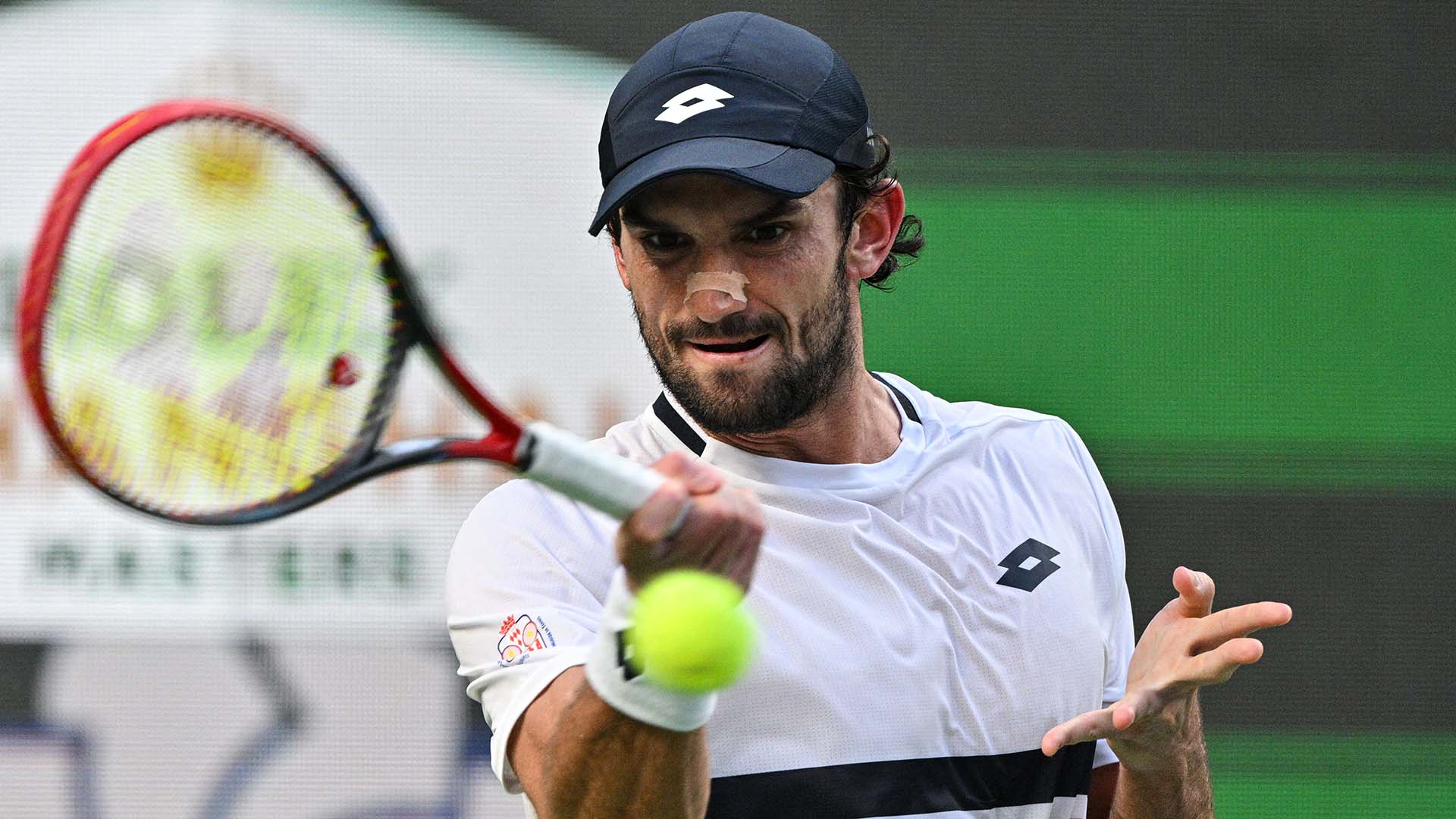
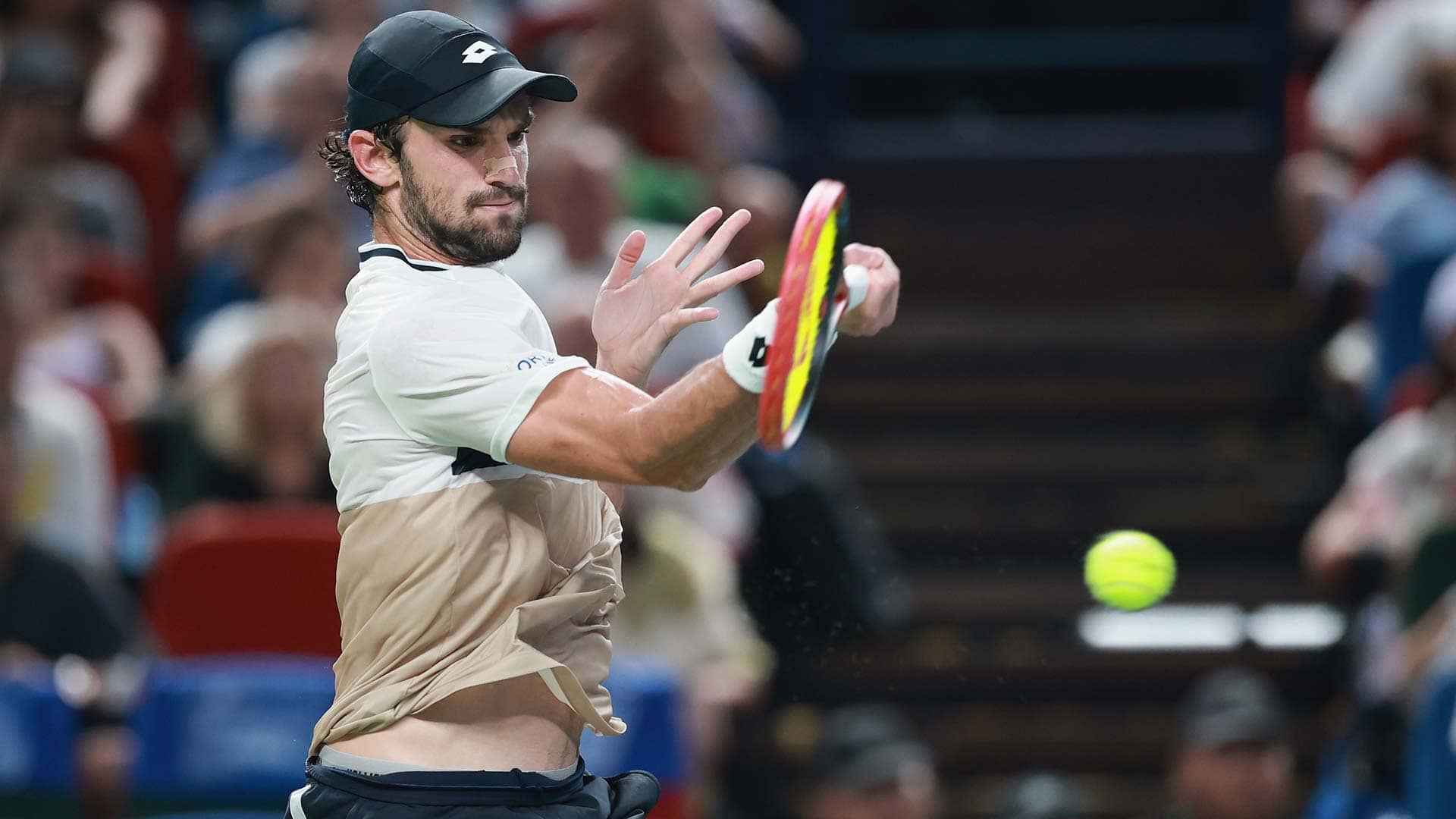
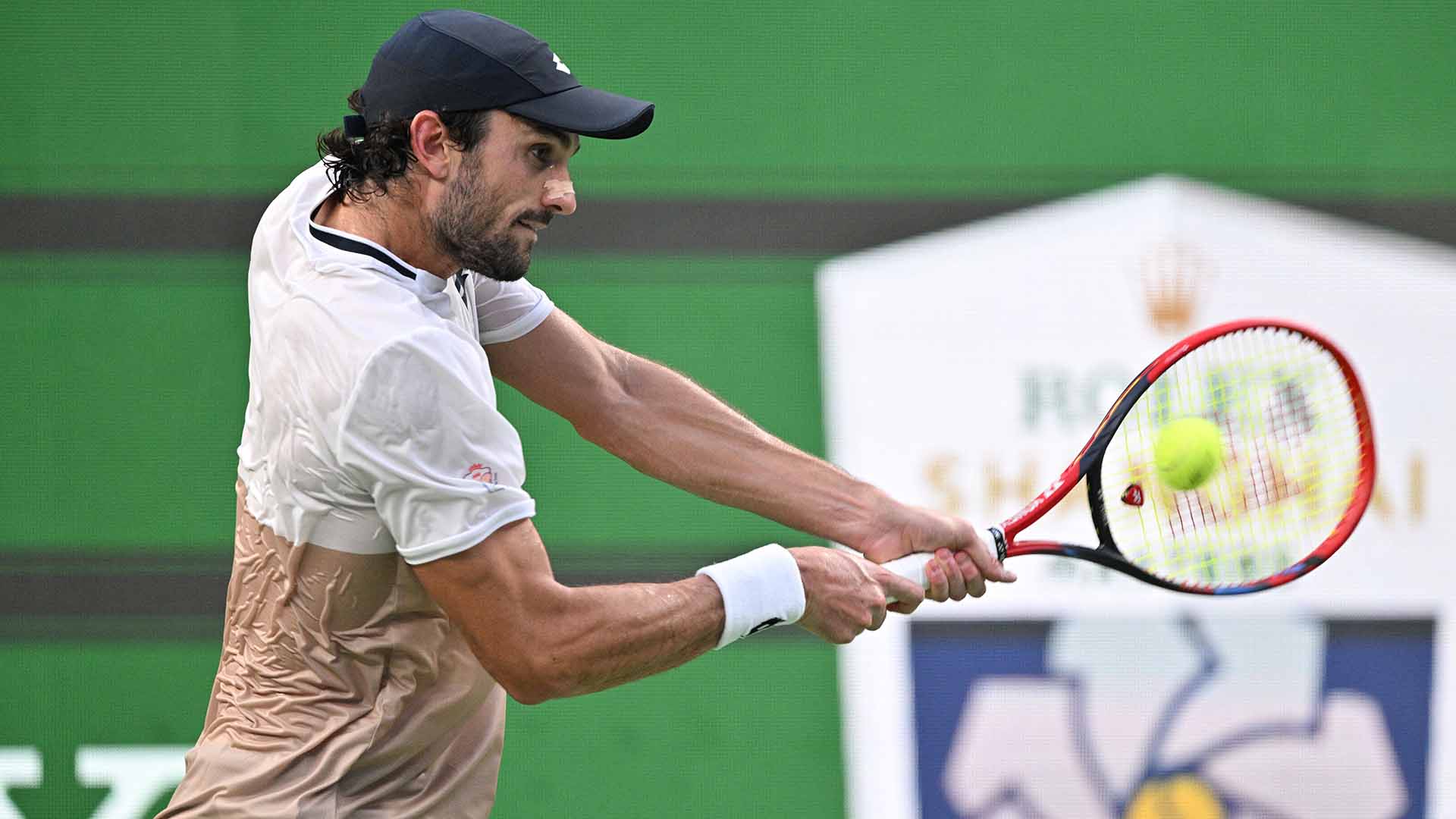
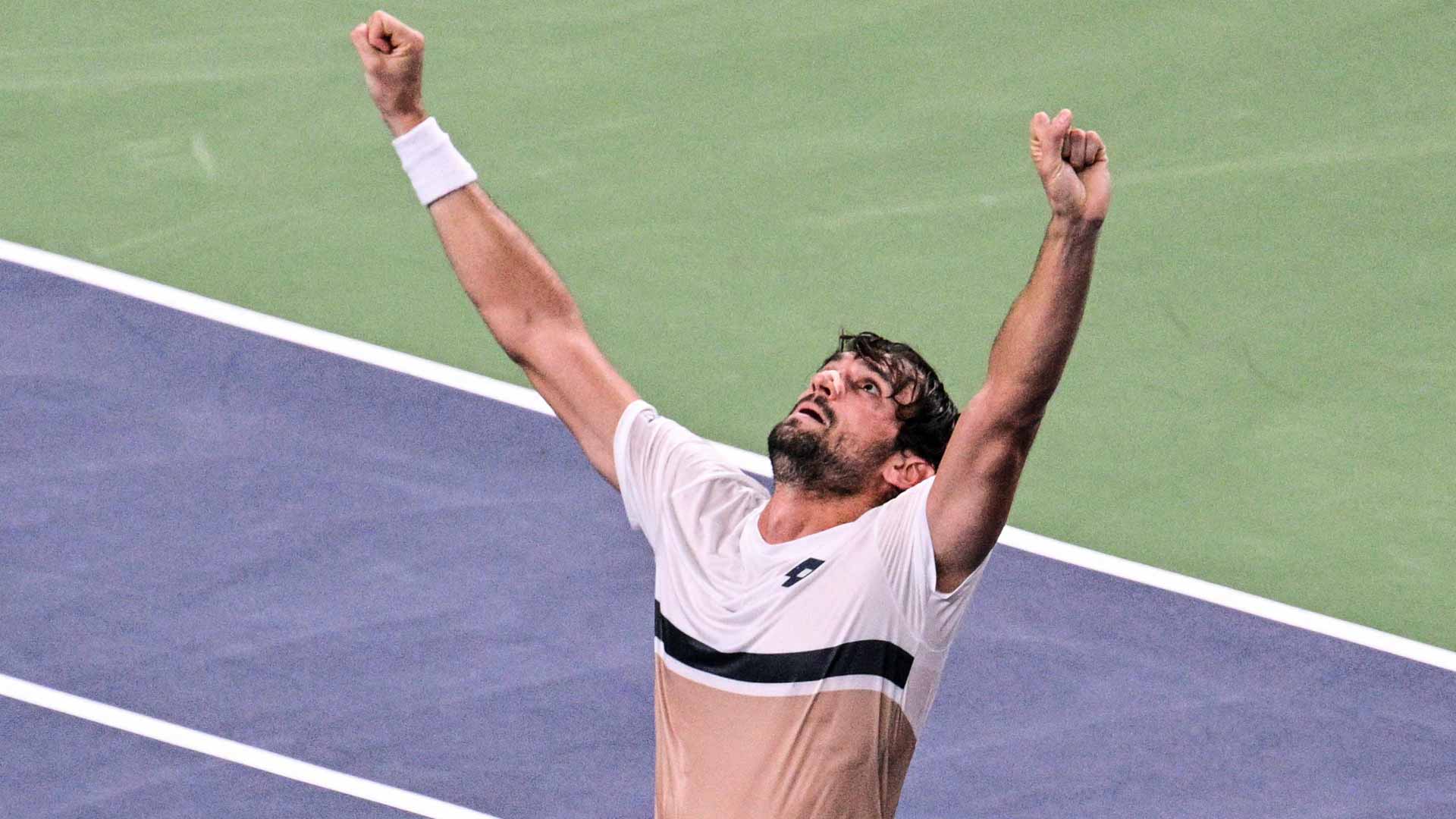
In the thick humidity of Qizhong Forest Sports City, Valentin Vacherot delivered a poised upset that reverberated through the ATP calendar, defeating Novak Djokovic 6-3, 6-4 to advance to his first Masters 1000 final. The 26-year-old Monegasque, who entered the Shanghai Masters as an alternate for qualifying, turned the semifinal into a testament of endurance and opportunism on the fast hardcourts. His steady baseline probing and sharp returns dismantled the Serb’s rhythm, capitalizing on visible signs of strain to claim the biggest victory of his career against the world No. 5.
Djokovic grapples with mounting fatigue
Twice in the opening set, Djokovic summoned the physio for treatment on his lower back, each interruption underscoring the toll of a grueling season that had already seen him withdraw from events earlier in Asia. Vacherot sensed the openings immediately, firing deep crosscourt forehands to stretch the veteran wide and force hurried errors, particularly on inside-out backhands that lacked their usual bite. The crowd’s murmurs built with every labored slide, as the surface’s quick bounce amplified Djokovic’s discomfort, turning potential rallies into shorter exchanges where the qualifier’s footwork held the edge.
Despite flashes of his trademark resilience, Djokovic struggled to hold serve consistently, winning fewer points behind his first delivery than in recent outings. Vacherot‘s returns landed low and heavy, disrupting any attempt at down-the-line counters, and the Serb’s movement faltered just enough to hand over breaks without a fight. This physical fray exposed how even a record four-time champion at the event could yield to the cumulative pressure of hardcourt battles from Melbourne to Shanghai.
Vacherot’s precision powers rankings surge
Winning 78 percent of points behind his first serve—28 out of 36—Vacherot anchored the match with flat, targeted deliveries that often set up one–two combinations, following slices to the forehand side to keep Djokovic guessing. His quarterfinal win over Holger Rune had already locked in a top 100 debut, but this semifinal stunner propelled him 146 spots to No. 58 in the live rankings, marking a meteoric shift from No. 204. The Monegasque’s tactical patience shone through, varying underspin on returns to neutralize power and pinning opponents deep with inside-in forehands that echoed his Challenger-honed grit.
Becoming the lowest-ranked finalist in Masters 1000 history since 1990, Vacherot joins rare company as just the sixth player this century to reach his debut ATP Tour final at this level, the first since Alejandro Davidovich Fokina in Monte-Carlo three years earlier. His composure amid the center court’s intensity transformed a week of qualifiers into a platform for sustained contention, blending mental fortitude with surface-specific adjustments that bridged the ranking chasm.
Final awaits family or formidable foe
On Sunday, Vacherot faces either his cousin Arthur Rinderknech or Daniil Medvedev for the title, a matchup infused with personal drama or strategic depth on the same swift courts. Against Medvedev’s flat baseline game, he might lean more on crosscourt depth to extend points, while a family showdown adds emotional weight to an already improbable narrative. As the lights fade on Djokovic’s exit, Vacherot’s run signals how tactical savvy and quiet resolve can ignite a career, positioning the underdog for a potential coronation that redefines his tour trajectory.