Challenger Rookies Storm 2025 Slams

Young guns from the ATP Challenger circuit turned gritty wins into Grand Slam magic in 2025, their upsets and deep runs rewriting the majors’ narratives amid roaring crowds and tactical chess matches.
In the relentless churn of professional tennis, the ATP Challenger circuit hums as the proving ground where dreams take shape against the grind of lesser-known foes. For 2025, a cadre of emerging players seized that momentum, vaulting from those secondary stages into the white-hot glare of the four majors. Their breakthroughs—fueled by sharp adjustments and unyielding belief—disrupted seeded paths, injecting fresh energy into the sport’s grandest theaters.
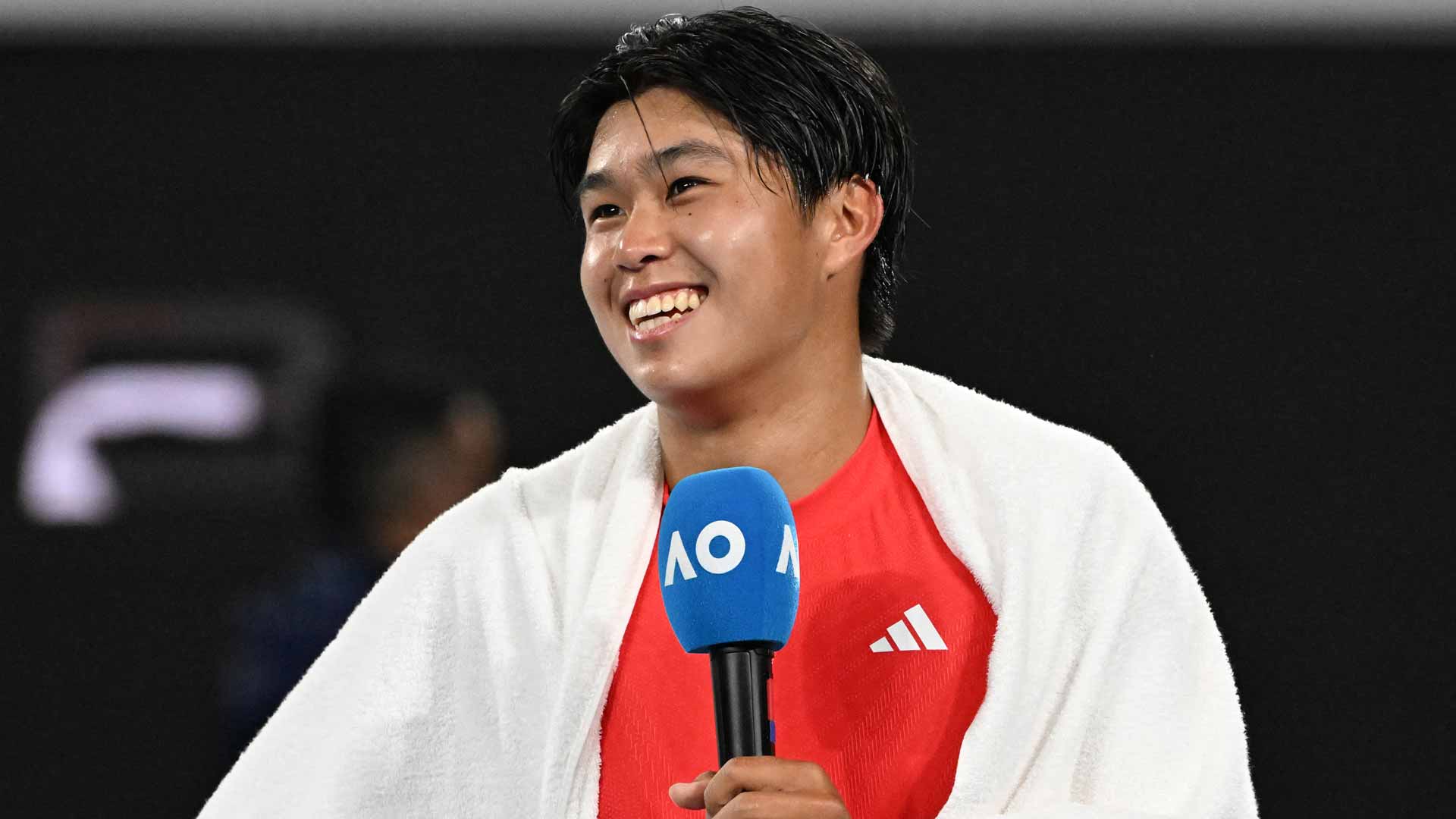
Learner Tien‘s Australian Open charge set the tone early, the 19-year-old American qualifier ranked No. 121 carving through the draw with a blend of heavy topspin forehands and resilient defense. He stunned three-time finalist Daniil Medvedev in a five-set thriller, his crosscourt backhands forcing errors in the humid Melbourne air, reaching the fourth round as the youngest there since Rafael Nadal in 2005. That feat marked him as the second-youngest American man to hit the last 16 at the opener, behind only Pete Sampras at 18, his prior 2024 Challenger dominance—a 35-9 record with three titles—now echoing on Rod Laver Arena.
“This exceeded my expectations from what I was hoping for coming into this week,” Tien said in Melbourne. “You go into every match believing you can win but being in the second week is amazing.
Tien ignites American fire early
The qualifier’s path demanded mental steel, each round building on the last as Tien’s 1–2 patterns disrupted Medvedev’s baseline precision, the crowd’s surges amplifying his poise. Post-upset, his ranking surged, opening doors to higher-stakes clashes that tested the very foundations built in Challenger battles. That Melbourne magic lingered, a spark for others eyeing similar leaps.
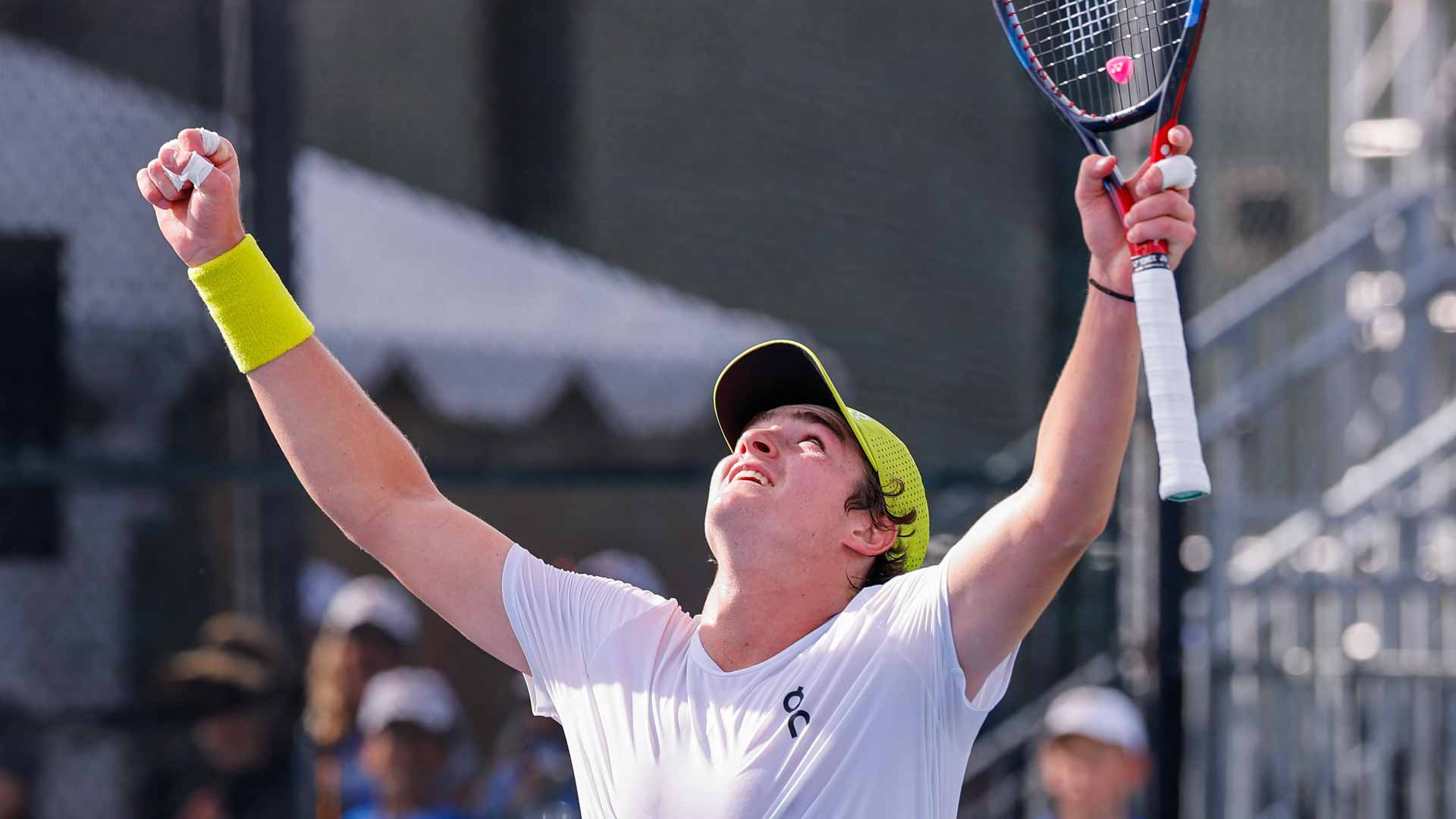
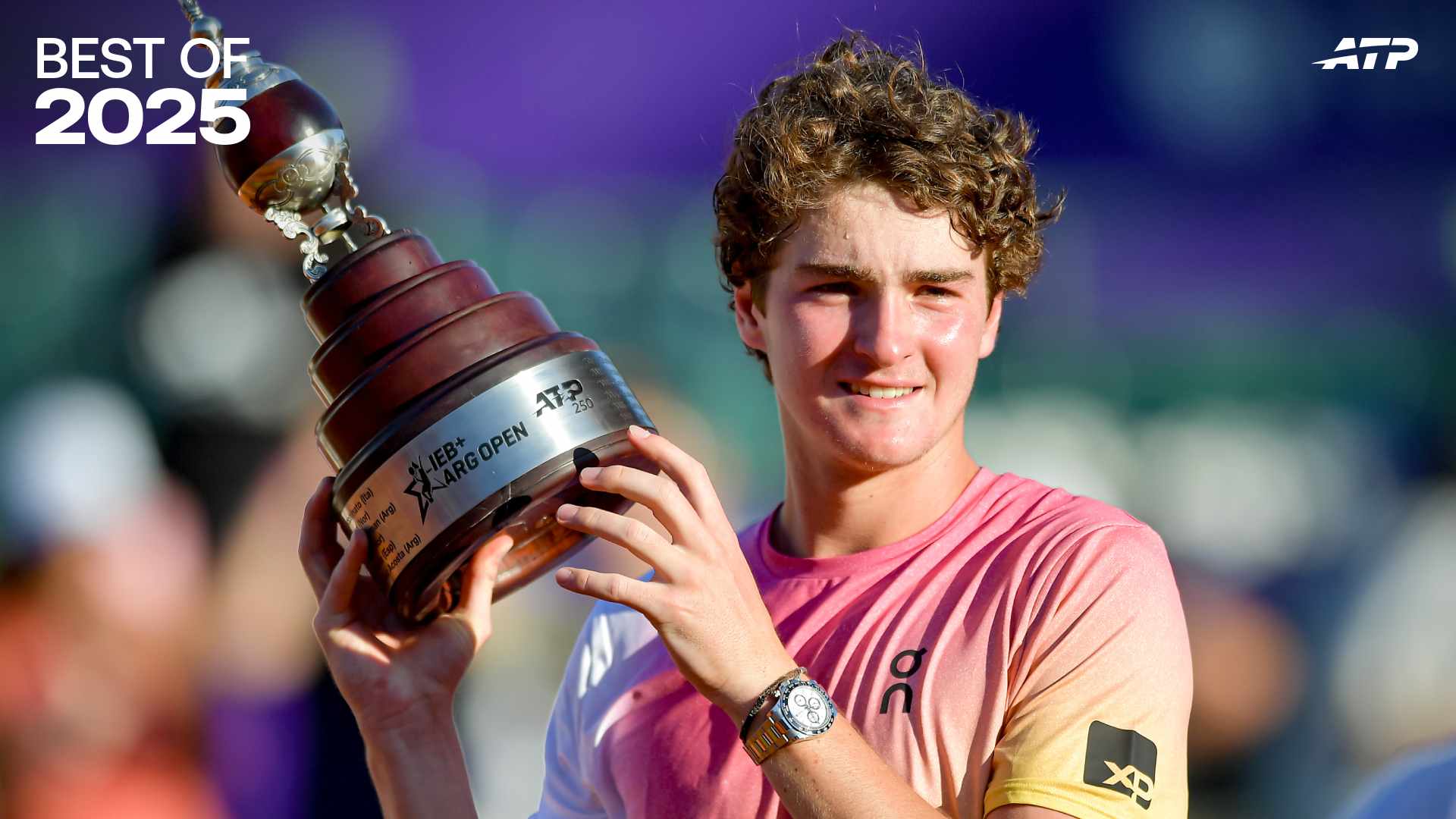
Joao Fonseca‘s ascent carried a different rhythm, the Brazilian launching 2025 with a flawless Canberra Challenger title, not dropping a set before mirroring Jannik Sinner’s rare back-to-back wins after the Next Gen ATP Finals. Starting at No. 145, he climbed to World No. 24 by year’s end, his explosive serves and inside-out forehands propelling second-round appearances across all majors. His straight-sets takedown of ninth seed Andrey Rublev in Melbourne marked a first main-draw victory, the teenager’s deep returns crowding the Russian under the Open’s relentless sun.
Fonseca adapts across surfaces swiftly
At Roland Garros, Fonseca leaned into high-bouncing topspin on clay for third-round battles, while Wimbledon’s grass saw quicker footwork and flatter crosscourt shots to exploit low skids. The Phoenix Challenger 175 crown in March sharpened his hard-court edge, each deep run adding ranking ballast amid the tour’s surface swings. His consistency turned rapid rise into sustained threat, the majors’ pressures honing a game ready for the elite fray.
August Holmgren inverted the typical trajectory, his Wimbledon surge preceding Challenger glory and flipping a sluggish first half. Ranked No. 192 with a 3-10 Challenger ledger early on, the Dane saved three match points in qualifying against Yosuke Watanuki, then repeated the drama upsetting 21st seed Tomas Machac in the main draw. His low-slice backhands skidded on Centre Court grass, drawing the Czech into net discomfort as July’s haze thickened the air.
“The key was to keep my momentum from Wimbledon going,” Holmgren said. “I had a very strong concept of who I wanted to be as a tennis player and the challenge was to continue with that on another surface.”
That third-round Cinderella story fueled his Granby Challenger triumph two weeks later, where deeper returns and heavier topspin adapted his aggressive identity to hard courts. The upset’s emotional rush—crowd roars blending with his focused returns—rewired his season, proving a single Slam spark could ignite broader dominance. Holmgren’s path showed how grass’s speed rewards bold risks, carrying forward into varied terrains.
Holmgren flips script with grass grit
The Dane’s main-draw poise under Wimbledon’s spotlight masked early struggles, his down-the-line serves piercing defenses in clutch moments. Post-Granby, that momentum promised tactical versatility, positioning him as a wildcard in future draws. His journey underscored the majors’ power to accelerate unproven talents.
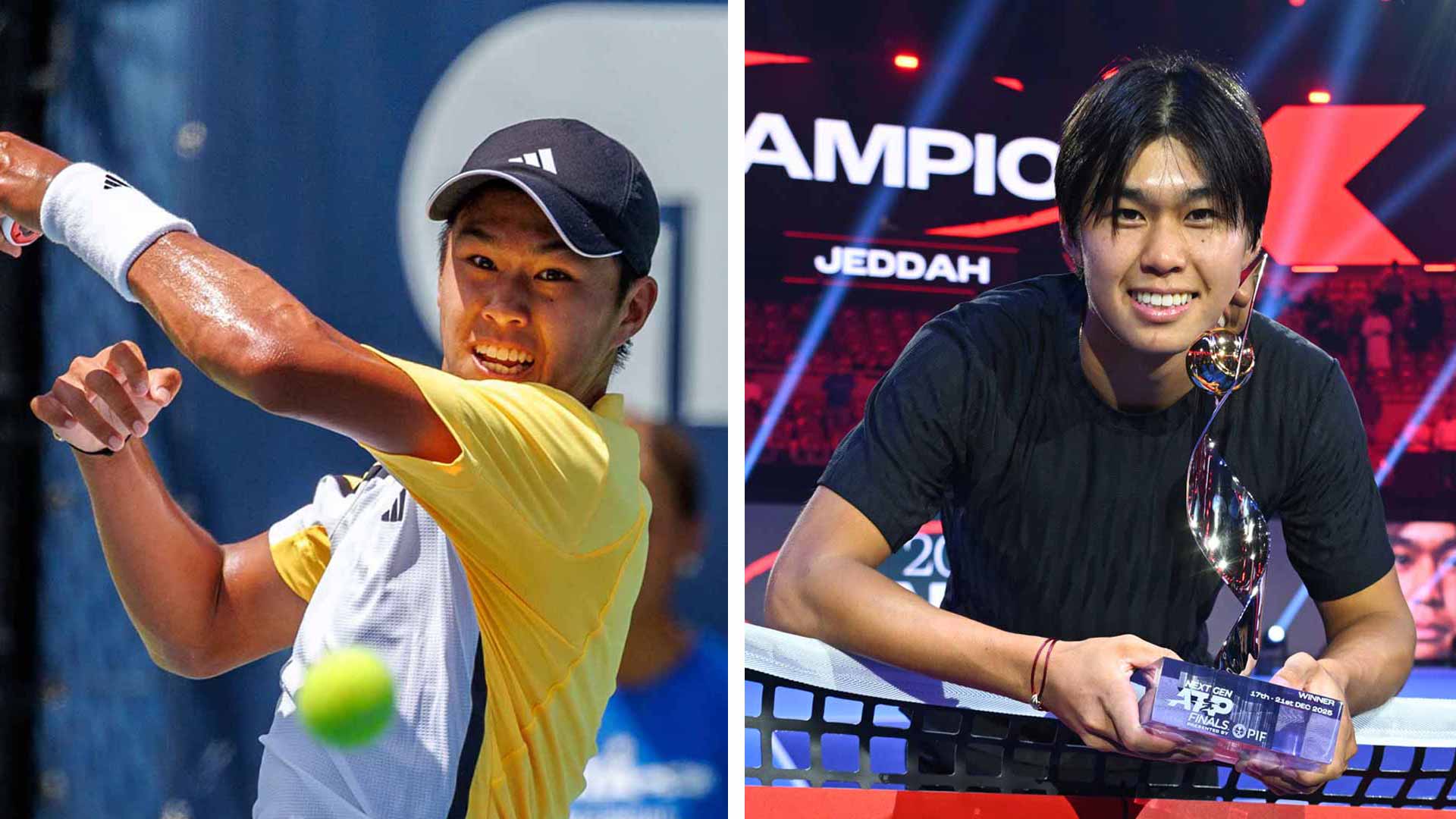
Coleman Wong etched history at the US Open, the 21-year-old from Hong Kong becoming the first from his region to claim a major main-draw win as a No. 173 qualifier. He pushed 15th seed Andrey Rublev to a decider in the third round, his one–two patterns of flat serves and inside-out forehands countering the Russian’s power on DecoTurf. Underspin slices disrupted rhythms in extended rallies, the Arthur Ashe Stadium pulsing with the novelty of his breakthrough.
“It’s a big moment for me, and also for my family and for Hong Kong people,” Wong said in a feature published on usopen.org and ATPTour.com.
Without a Challenger title yet, Wong’s run highlighted raw speed and angles, crosscourt lobs resetting against aggression under Flushing’s night lights. The emotional weight of representation amplified each point, forging resilience despite the exit. His debut set a precedent, blending qualifier grit with strategic tweaks for Asian tennis’s rising tide.
Jacob Fearnley‘s breakthroughs felt earned, his 2024 Challenger mastery—27-3 record, four titles, 90 percent win rate—fueling third-round showings at the Australian Open and Roland Garros. In Melbourne, he ousted home favorite Nick Kyrgios in the opener, deep returns neutralizing serve-volleys amid the five-setter’s intensity. On Paris clay, the Briton toppled 2015 champion Stan Wawrinka first, then Ugo Humbert, heavy topspin forehands pinning foes behind the baseline.
Fearnley builds on clay-hard poise
Against Humbert, underspin slices induced mid-court errors, his inside-in backhands adapting seamlessly to the surface’s drag. The dual-major penetrations, rare for non-seeds, added ranking momentum, turning Challenger efficiency into Slam viability. Fearnley’s calm in big-name clashes revealed a game built for pressure, his tactical consistency a quiet force.
These 2025 risers—from Tien’s audacious youth to Fearnley’s steady hand—illustrated the Challenger-to-Slam pipeline’s vitality, their upsets and adaptations enriching the majors’ drama. As they enter 2026 with hardened edges, expect more disruptions, their stories fueling the next wave of contention. Read more at ATP Tour.