Svitolina carries the weight through Paris clay battles

After grinding out a three-set win at Roland Garros, Elina Svitolina confronts the fear that follows Ukrainian players across continents and into every baseline exchange.
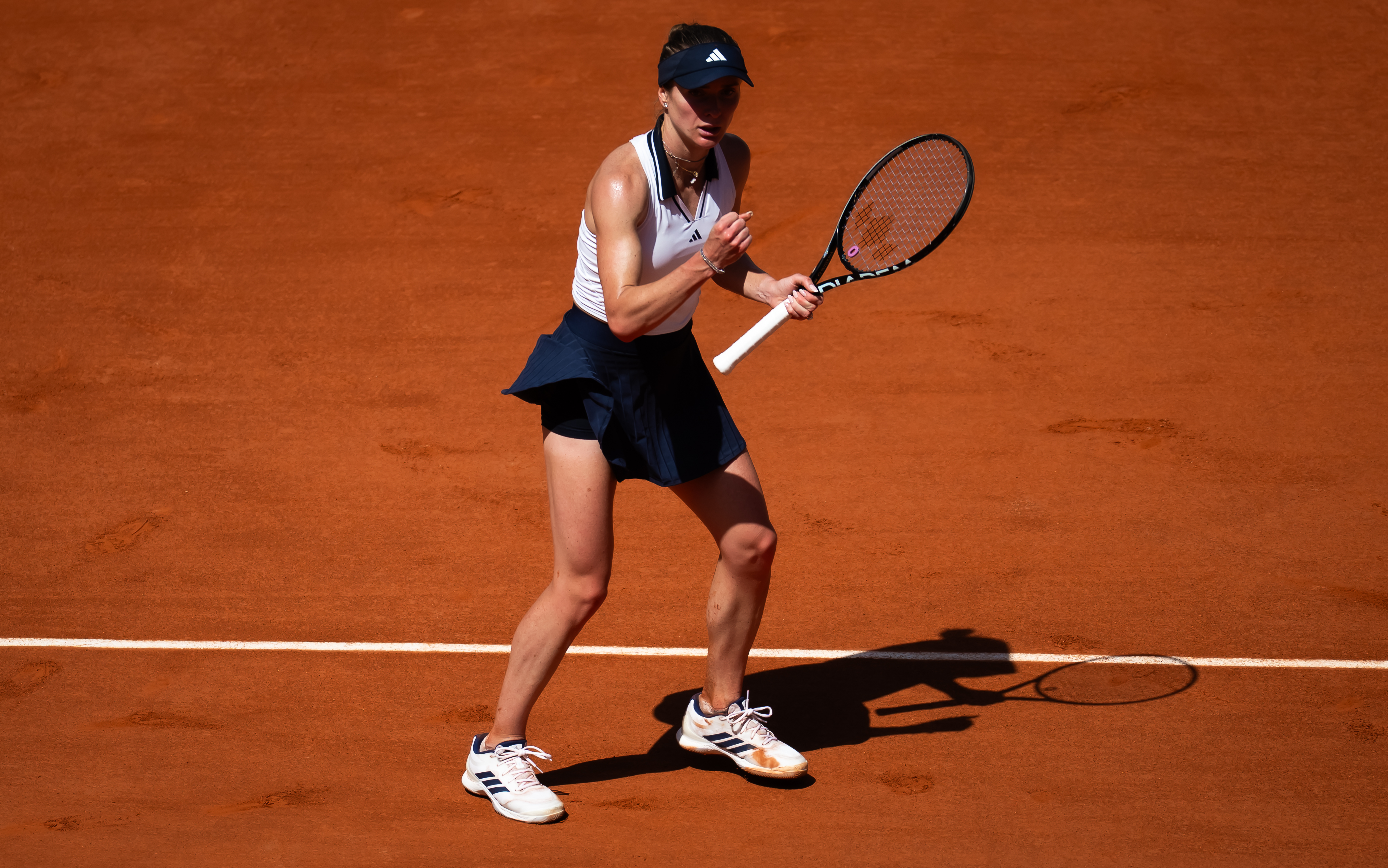
Elina Svitolina stepped off the red clay at Roland Garros still breathing hard from a 3-6, 6-1, 7-6(3) victory over Anna Bondar, yet the conversation quickly moved away from inside-out forehands and crosscourt slices to something heavier that travels with her every week.
Clay adjustments under unseen pressure
Svitolina adjusted her patterns early against Bondar, absorbing heavy topspin and redirecting with down-the-line backhands when the Hungarian pushed her wide. Those tactical shifts demanded full concentration, yet the Ukrainian later described how distant events can still pull focus even during long baseline exchanges on the slowest surface of the year.
She has spent the spring building rhythm on clay, refining her one-two combinations to pull opponents forward before finishing with sharp angles. Each point requires the same clarity that has carried her deep into majors before, but the season-long accumulation of worry makes recovery between sets slower than any physical fatigue.
Nights that follow players onto court
Svitolina said nights like the one Ukraine experienced this weekend do not simply disappear once players step on court the next day. View this post on Instagram (14) captured the atmosphere around the grounds, yet inside the locker room the mood stayed quiet as players processed fresh reports from home.
She noted that even familiar routines feel altered when massive attacks hit Kyiv, leaving competitors to manage both match preparation and the urge to shut down entirely. The 600 missiles reported over the weekend turned ordinary sleep into something fractured, and Svitolina explained how that fracture travels across time zones.
Players still must warm up, chart opponents, and execute slice serves that set up aggressive returns, all while the mind circles back to family safety thousands of miles away.
Season-long strain that never fully lifts
Four years of balancing tour life with events back home have created a steady undercurrent that affects decision-making on and off court. Svitolina described how some nights pass more easily than others, yet the cumulative effect shows in the way Ukrainian players approach long tournaments like the one unfolding in Paris.
She has leaned on consistent training blocks and selective scheduling to maintain performance, choosing events where recovery time between matches allows space to process whatever arrives from Ukraine. The psychological arc stretches across the calendar, turning each victory into both relief and reminder that the next flight home could bring different news.
Svitolina handled the immediate questions with measured honesty, acknowledging that the fear can extend beyond any single result. She spoke of the difficulty of competing when basic normalcy feels distant, yet she continues to find ways to reset between rounds and keep her game sharp on clay that rewards patience and precise footwork. The season ahead will test that balance again and again.