Sinner’s Davis Cup absence tests Italy’s tennis soul

With Jannik Sinner sidelining national duty for Australian Open prep, Italy grapples with betrayal and pragmatism in the wake of their star’s back-to-back triumphs.
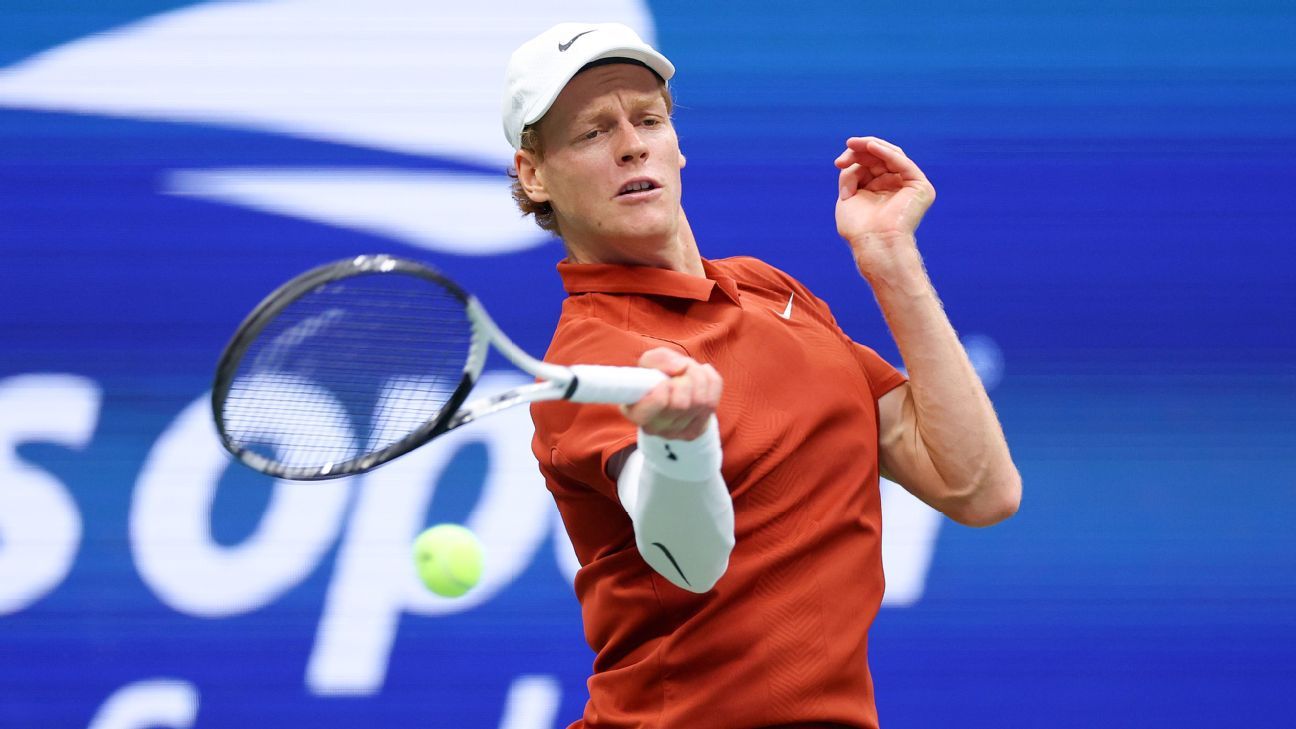
In the fading light of Rome’s tennis heritage, Jannik Sinner’s choice to bypass the Davis Cup Final 8 sends shockwaves through a nation that crowned him its savior. The world No. 2, architect of Italy’s consecutive team titles in 2023 and 2024, now prioritizes a vital recovery week after the ATP Finals in Turin, aiming to defend his Australian Open crown with renewed sharpness on the hard courts. This pivot, born from the sport’s punishing rhythm, exposes the fragile balance between personal peaks and collective glory, leaving the Azzurri to navigate Bologna’s indoors without their dominant force.
Recovery week outweighs team pull
Sinner’s season has unfolded as a tactical odyssey across surfaces, from the blistering inside-out forehands that dismantled foes on Melbourne’s slabs to the patient crosscourt exchanges that wore down opponents on Paris clay. Now, with the Davis Cup slotted tightly after Turin’s indoor battles, he sees that interlude as essential for honing his one–two serve-return combinations, ensuring no early rust dulls his edge Down Under. From Vienna’s courts this week, he shared the weight of the call with Sky Italia.
“It wasn’t an easy decision, but after Turin, the goal is to start off on the right foot in Australia,” Sinner said. “It doesn’t seem like it, but a week of preparation in that period can make a difference. We already won the Davis Cup in 2023 and 2024 and this time we decided like this with my team.”
This rationale underscores a player’s unyielding focus on the majors, where every practice session sharpens the down-the-line backhands that have defined his rise, even as it stirs unease among fans who envision him anchoring Italy’s charge once more.
Backlash echoes doping case support
Italy’s response contrasts sharply with the fierce backing Sinner received during his doping case earlier this year, when the nation shielded him from whispers of favoritism amid his three-month suspension that sidestepped Grand Slam disruptions. Gazzetta dello Sport captured the dismay on its front page with a headline urging him to reconsider, while an editorial dissected his recent Saudi exhibition triumph for $6 million alongside his Italian endorsement gigs. The piece pressed the point home, questioning selective loyalties in a sport where national pride once trumped all.
“So you’re not going to return to Riyadh for another $6 million? If you win another Wimbledon, you won’t go to London anymore? Pasta, coffee ... Every five minutes you promote an Italian product. Do it with tennis, too,” the editorial remarked.
Ninety-two-year-old Nicola Pietrangeli, whose French Open doubles marked Italy’s pinnacle before Sinner’s ascent, voiced the sting bluntly. “it’s a big slap in the face to the Italian sports world,” he declared, amplifying a sentiment rooted in prior absences—like the 2023 Davis Cup ties and Paris Olympics—that have fueled debates over his commitment. These layers intertwine with undercurrents from his Alto Adige upbringing, where just last month an Italian rapper drew fire for lyrics likening his accent to Adolf Hitler’s, though the artist later apologized, highlighting the persistent scrutiny of his identity.
Voices defend evolving priorities
Not every echo rings with reproach; Adriano Panatta, who steered Italy to its lone prior Davis Cup in 1976, champions the shift in tennis’s landscape. He frames top players as stewards of their own empires, compelled to chase Slams and rivalries like the one with Carlos Alcaraz over fading team spectacles. Panatta’s take in Corriere della Sera positions Sinner’s break as fuel for reclaiming No. 1 and sustaining his two-time Australian defense.
Paolo Bertolucci, a 1976 teammate turned commentator, reinforces this in the Gazzetta, viewing the majors and ATP Finals as the true measure of excellence. “I don’t see anything wrong with the decision,” he stated. “Tennis has changed. Today what counts are the four Slams and then the ATP Finals. The rest is side stuff.”
Without Sinner’s baseline firepower, Italy must adapt in Bologna, perhaps leaning on Lorenzo Musetti’s versatile underspin slices to disrupt aggressive inside-in approaches or Matteo Berrettini’s thunderous serves to anchor doubles stability. The indoor hard courts demand quick adjustments—favoring crosscourt depth over power alone—to fill the void left by his absence. As the Final 8 approaches, this schism reveals tennis’s core tension: individual ambition sharpening the blade for future battles, even if it dims the immediate team flame, promising a Sinner return that could redefine Italy’s fortunes anew.