Serena Williams steps onto grass with fresh freedom

At 44 the seven-time Wimbledon champion accepts a doubles wild card at Queen’s Club and lets go of every expectation except the simple act of competing again.
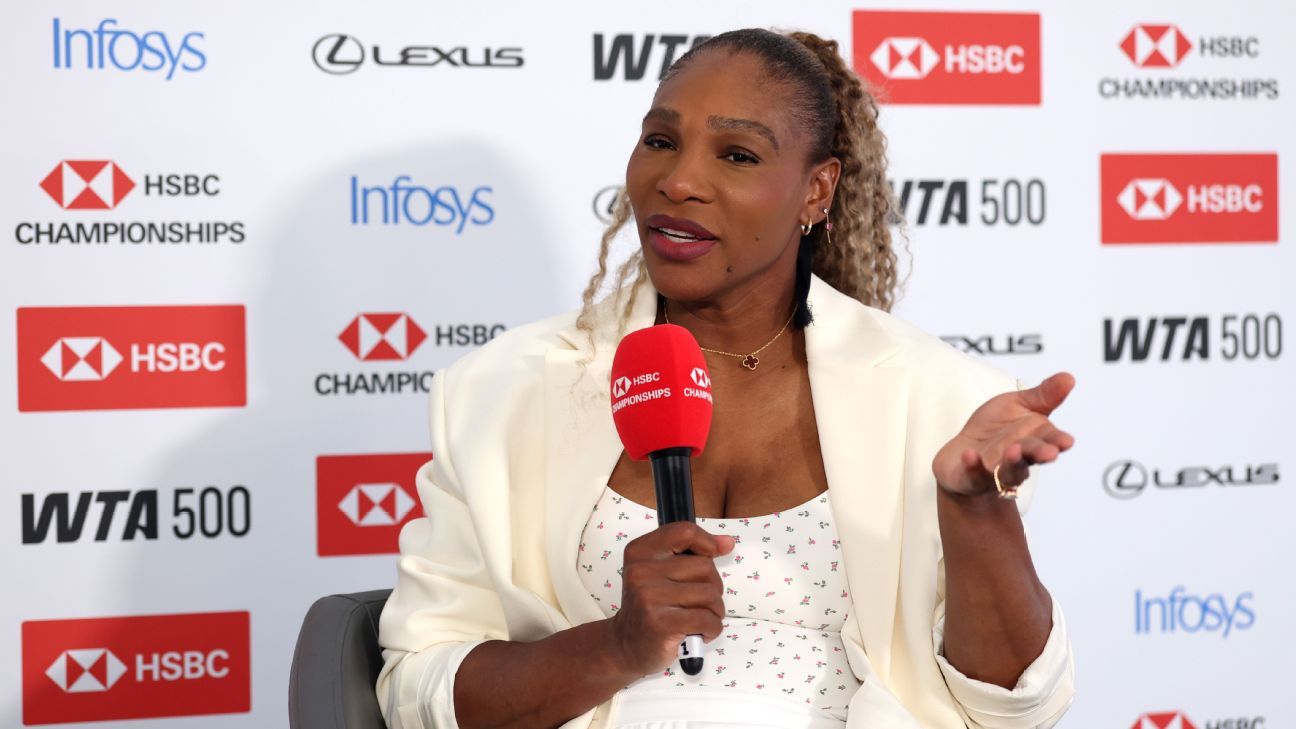
Serena Williams walks onto the grass at the HSBC Championships carrying none of the old scoreboard pressure. The surface skids low and fast, rewarding early contact and clean footwork over heavy loops. She accepted the doubles wild card alongside Victoria Mboko after asking herself one plain question: why not.
Releasing the weight of past titles
At 44 she already owns 23 Grand Slam singles titles and 39 major trophies across all disciplines. Those numbers once defined every match. Now they function as quiet ballast. She repeats the same line in practice: she does not need another win because she has already collected more than most players achieve in a lifetime.
The mindset changes how she approaches every exchange. Instead of chasing archived ball speeds she measures whether each swing still feels free. Grass amplifies that freedom. A slice serve stays low, pulls the returner wide, and opens the middle for the one-two pattern at the net. Williams has used that sequence for years; the surface simply makes the geometry tighter.
I don’t need to win. I’ve won more than most people have in their whole lives, so it’s not that important to me, and it’s important that I keep reminding myself of that, because I don’t have anything to prove.
Victoria Mboko noticed the same clean ball striking during their first sessions. The 19-year-old Canadian sees the same drive she carries herself. Their hitting already produces sharp crosscourt angles that die on contact, the exact shots grass rewards when timing returns quickly.
Fitting the schedule around family rhythms
The summer window aligned perfectly. School is out, travel stays light, and both daughters can watch their mother compete without major disruption. Olympia is old enough to absorb the scene; Adira still treats the trip as an adventure. Williams speaks of letting them see an athlete in motion rather than a champion replaying old glories.
Grass rewards quick decisions more than raw power. In doubles the patterns compress: serve, first volley, cover the middle. She has trained enough to know her footwork can adjust to the low bounce, yet she refuses to attach outcome metrics to that rediscovery. Every inside-out forehand or short-angle volley becomes data gathered without a final verdict attached.
The pair tested early poaching lanes on the practice courts. Mboko covers the middle while Williams handles the wider angles that accelerate on the surface. A step too deep lets the ball skid past; a step too shallow leaves the alley exposed. Those inches matter more on this court than on any other surface.
Keeping the door cracked for whatever comes next
Williams has not ruled out singles outright. Additional training would be required before any entry felt honest. For now the focus remains on the present partnership and the grass beneath her feet. The crowd at Queen’s will bring its own low hum of anticipation, aware that this chapter carries no ranking points or long-term contract.
That absence of stakes becomes its own fuel. Every crosscourt exchange and shared look with her younger partner adds information without demanding a conclusion. The journey continues only as long as the enjoyment holds. If the rhythm stays, further decisions can wait until the calendar opens again.