Serena Williams chooses Queen’s Club for her doubles comeback

At 44 the 23-time major champion accepts a wild card into the HSBC Championships and steps onto grass where low bounce and quick transitions will shape every exchange.
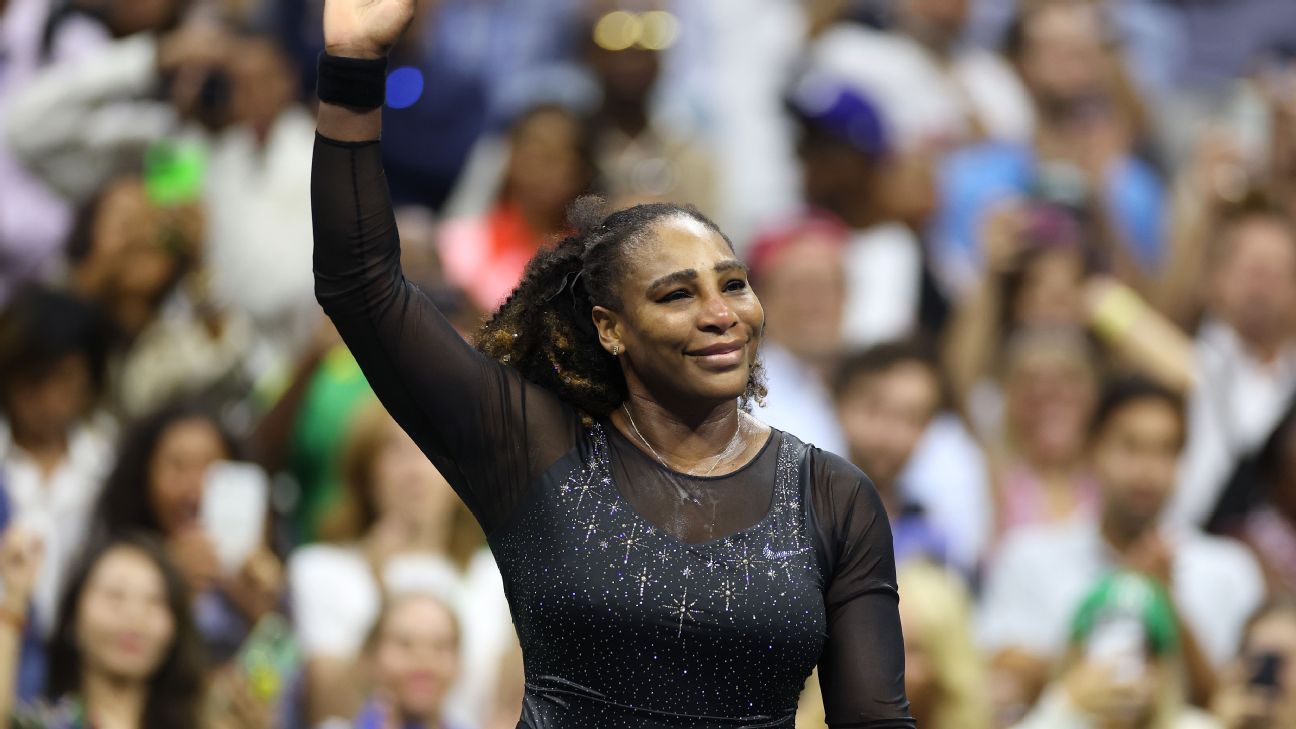
Serena Williams accepts a doubles wild card at the HSBC Championships and returns to competition after nearly four years away from the tour. The 500-level event at Queen’s Club places her back on grass, a surface that once delivered some of her most decisive victories. Every serve and volley now carries the weight of recalibration after extended time away from match play.
Grass surface demands quick adjustments
Low bounce on the London courts forces immediate changes to toss height and racquet angle so the ball skids rather than sits up for returners. Williams must blend slice and underspin variations into her first-serve patterns to keep opponents from settling into baseline rallies. Inside-out forehands and crosscourt angles become the primary weapons once the 1–2 combination opens space at the net.
confirmed Williams’ return through an official post that framed the announcement around the fast surface and the compressed recovery windows at her age. She first teased her return on Monday morning with a social media video from longtime sponsor Nike. The 17-second clip captured her walking toward a ringing phone on court, a quiet signal that preparation had already shifted from private sessions to public scrutiny.
The G.O.A.T is BACK 🐐@serenawilliams is officially returning to the stage 💚 pic.twitter.com/DA3CHDVrwu
— wta (@WTA) June 1, 2026
Practice footage shared on social media in early March alongside Alycia Parks showed repeated net drills and volley exchanges that emphasized poaching angles. Those sessions, sometimes three times a week in Florida, rebuilt the timing required for grass reaction speeds. Victoria Mboko brings current top-ten movement that complements the veteran’s experience reading opponents’ down-the-line tendencies.
Partners share the load on the one–two pattern where the serve sets up a short ball the net player can finish crosscourt. Their combined reach could neutralize aggressive returns from younger teams that favor heavy topspin. The surface speed at Queen’s Club historically favors players who transition quickly from defense to offense.
Family echoes and generational excitement build
Venus recorded fourteen major doubles titles with her sister and the tactical memory of those partnerships still informs current planning. The older sibling has spoken openly about missing the shared rhythm of tournament life. That history adds another layer of internal pressure as the return unfolds.
@serenawilliams and pic.twitter.com/DA3CHDVrwu circulated widely after the WTA announcement. June 1, 2026 marked the public confirmation that shifted focus to tactical preparation. Younger players such as Coco Gauff have openly admitted they never faced the 23-time major champion in competition and would welcome the chance.
Naomi Osaka recalled the 2018 US Open final while expressing excitement at the prospect of seeing the familiar presence again. Madison Keys framed the return simply as good for the sport because every appearance carries the weight of witnessed history. Novak Djokovic echoed the sentiment from the men’s side, noting how the game benefits when a record holder chooses to compete again.
Calendar pressure points toward Wimbledon
The HSBC Championships sits on a 500-level calendar slot that feeds directly into the Wimbledon build-up starting June 28. A doubles-only appearance allows measured re-entry while preserving the option to add singles if the body responds. Reports last week indicated a request for a doubles wild card alongside Victoria Mboko, though the partner at Queen’s Club has yet to be made official.
Rankings math favors consistent quarterfinal appearances over deep singles runs given the compressed recovery windows at 44. Points earned on grass carry forward into the Wimbledon seeding calculations if further events are added. The psychological thread running through reactions from peers is the recognition that the decision was never only about results.
The 73 career singles titles and 319 weeks at No. 1 provide context for how patterns once dictated matches, yet the current field demands fresh anticipation of low-bouncing trajectories. Whether the schedule expands beyond London remains open, yet the mental calculus already includes the possibility of facing a new generation that grew up studying her one–two patterns and crosscourt heavy topspin. The return therefore tests not only physical readiness but the capacity to absorb renewed external narrative without letting it dictate internal tempo.