Sakkari surges past Osaka to ignite Greece’s United Cup

Maria Sakkari channeled preseason precision into a commanding 6-4, 6-2 win over Naomi Osaka, giving Greece an early edge in their 2026 United Cup tie against Japan as Stefanos Tsitsipas eyes a sweep.
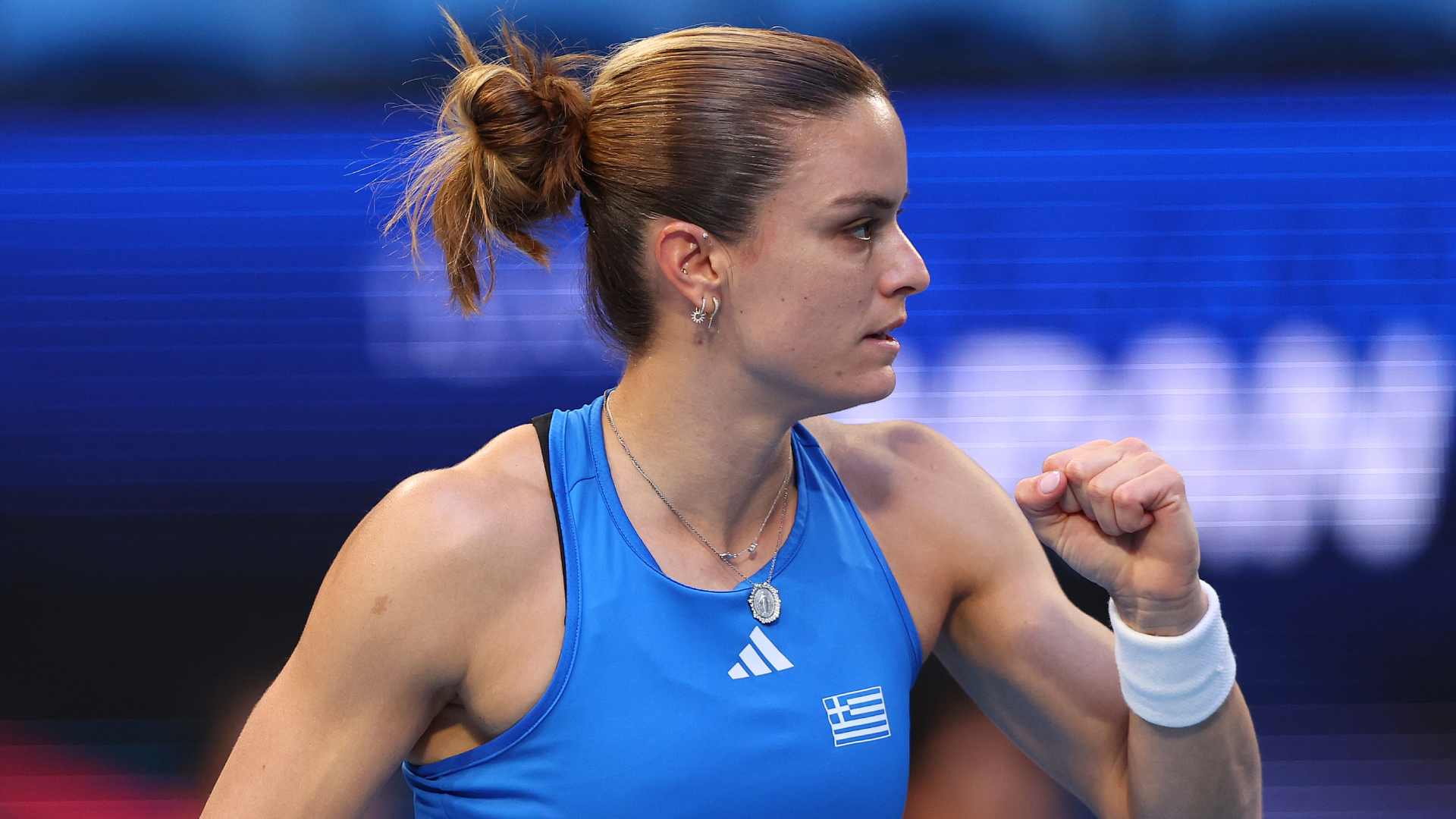
In the electric hum of RAC Arena, Maria Sakkari arrived ready to rewrite her United Cup story. The former world No. 3 faced Naomi Osaka for the first time in nearly five years and imposed her will from the baseline, securing a 6-4, 6-2 victory in 1 hour and 38 minutes. This straight-sets triumph evened their head-to-head at three wins apiece and handed Greece a 1-0 lead in the tie against Japan on January 2, 2026.
Sakkari’s aggression defined the opener, as she bolted to a 2-0 lead with a solid hold and a break in Osaka’s first service game, her heavy topspin forehands forcing errors. Osaka responded with a break of her own, but Sakkari reclaimed control, closing the set on a backhand winner that kissed the line for her third set point. The four-time Grand Slam champion, ranked world No. 16, struggled to find rhythm against the Greek’s probing returns and directional variety.
“I have a very good backhand cross,” Sakkari said after the match. “And we had a lot of battles going across to each other, so I felt whoever just went down the line first had the best chance of winning the point. It was something we worked on in preseason a lot and it paid off today.”
Beware the SakkAttack @mariasakkari gives Team Greece the perfect start in Perth. pic.twitter.com/2O0YqufDOc
— United Cup (@UnitedCupTennis) January 2, 2026
Shaking off last year’s shadows
The sting of Greece’s round-robin exit in the previous United Cup still echoed, but Sakkari transformed that frustration into fuel on Perth’s indoor hard courts. Her quick footwork redirected Osaka’s crosscourt power into vulnerable angles, turning potential doubt into baseline dominance. As the crowd’s cheers swelled with each Greek point, Sakkari’s mental reset set a tone of resilience for the team.
Osaka, rebuilding after maternity leave, flashed her signature flat strikes but couldn’t sustain them against Sakkari’s pressure. The Greek’s deep returns exploited second-serve weaknesses, leading to a pivotal break at 3-1 in the second set after erasing two break points earlier. This tactical edge, honed in preseason, highlighted Sakkari’s evolution, blending crosscourt rallies with timely down-the-line risks.
Quick starts power the breakthrough
The second set mirrored the first’s intensity, with traded holds giving way to Sakkari’s break at 2-1 via a crosscourt backhand pass in a grueling exchange. From there, she consolidated with efficient serves and varied patterns, mixing one–two combinations to keep Osaka guessing. The Perth surface’s true bounce amplified her topspin, forcing defensive lobs that Sakkari finished with authority.
This marked Sakkari’s third win in six meetings with Osaka, a balanced ledger that boosted Greece’s confidence heading into the tie. The victory wasn’t just about points; it injected national pride into the squad, exorcising prior disappointments. As RAC Arena pulsed with energy, Sakkari’s poise under pressure positioned her as the spark for deeper runs.
Tsitsipas carries the momentum forward
With Greece leading 1-0, attention turns to Stefanos Tsitsipas, who faces Yoshihito Nishioka next in the tie. Sakkari’s blueprint of aggressive returns and backhand firepower offers a template for the men’s singles, where every point carries team weight. In Group F’s round-robin grind, this fast start in Perth signals Greece’s medal potential, blending individual sharpness with collective drive.
Osaka’s defeat underscores the tight margins in her comeback, but Sakkari’s composure—forged from past challenges—proved decisive. The Greek’s ability to vary spin and pace neutralized power plays, a nod to surface-specific adjustments on these controlled courts. Looking ahead, the United Cup’s team format amplifies such clashes, where preparation meets execution in the heat of national rivalry.