Sabalenka holds firm to reach Wimbledon last 16

Aryna Sabalenka absorbed late pressure from Jelena Ostapenko and leaned on precise serving to secure a straight-sets win that sets up a fourth-round clash with Naomi Osaka on grass.
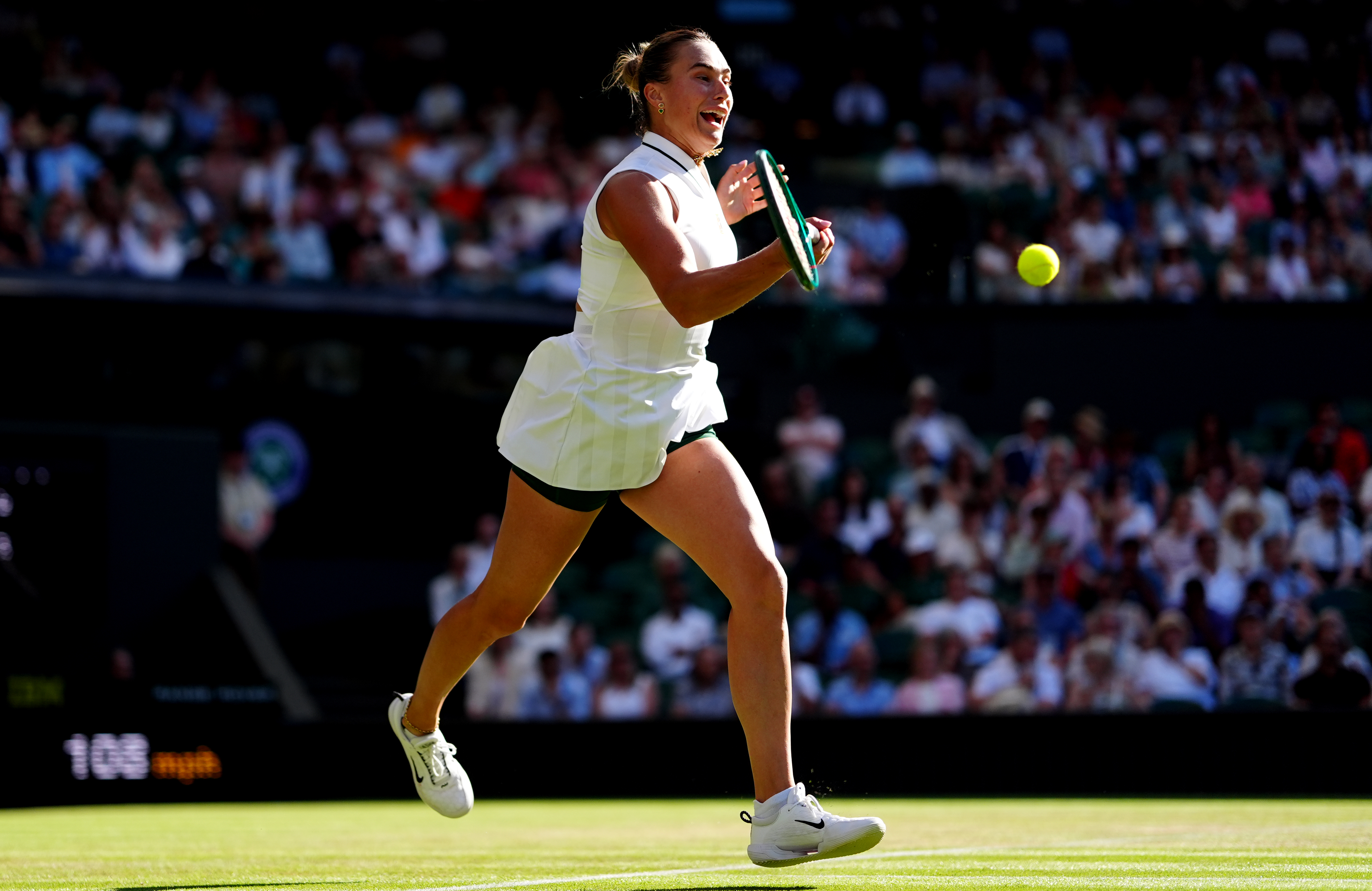
Aryna Sabalenka navigated a tense third-round encounter with Jelena Ostapenko at Wimbledon, prevailing 6-4 6-4 to set up a fourth-round clash with Naomi Osaka.
The pair combined for 46 winners yet the top seed limited unforced errors to just six while Ostapenko finished with 18. Sabalenka won seven of the ten games that reached 30-30 or deuce.
I’d say in these kind of matches there is a few key moments of the match. I feel like it’s all mental part of the game. I’m really glad that mentally I was super strong and super focused today. I’m happy that I closed this match in straight sets.
Serve placement disrupts return rhythm
Sabalenka fired nine aces and won 71 percent of first-serve points while claiming 50 percent on second serve. Those figures reflected deliberate adjustments to the low bounce and faster pace on grass.
She varied first-serve targets between the T and the wide line, forcing Ostapenko to guess rather than load early. The world number one also mixed slice second serves on the ad side late in sets, taking pace off the ball so that aggressive forehands could not generate the same lift.
Because the ball skids lower at Wimbledon, Sabalenka stood a half-step closer to the baseline on return. She redirected crosscourt with heavy pace and captured the Ostapenko serve outright on several occasions with inside-out forehands that stayed low after the bounce.
The 1–2 pattern of serve plus inside-in forehand appeared repeatedly in the second set, denying Ostapenko time to set her feet. Grass rewarded early positioning and Sabalenka moved forward after solid first serves.
Mental resolve shines in tight games
Sabalenka saved two break points in the opening set with a running forehand winner and an unreturned serve. Those escapes set the tone for a match in which she claimed seven of ten pressure games.
She broke serve twice in each set by stepping inside the baseline and redirecting with heavy backhand and forehand returns. Ostapenko struck 27 winners but could not convert enough return pressure into breaks.
The 6-4 6-4 scoreline masked how close the second set came to mirroring earlier collapses. Sabalenka held the line at 5-3, converting her second match point after saving the first with a serve that drew no reply.
Reaching the second week in 15 of her last 15 majors since Wimbledon 2021 has become the baseline. Each match now carries the added layer of proving consistency under constant expectation.
Osaka test awaits on unfamiliar grass
The upcoming fourth-round meeting with Naomi Osaka marks their fifth encounter overall and fourth this season. Sabalenka leads the head-to-head 3-1 after three meetings this year on hard courts and clay.
Sunday will be their first grass-court clash. Both players have acknowledged that quicker conditions will compress time between shots and place a higher premium on first-strike tennis.
Sabalenka expects Osaka to arrive with sharper focus after three prior losses. She noted that Osaka has grown more comfortable handling power and aggression, forcing the world number one to trust her patterns even earlier in rallies.
With the draw opening further, attention turns to whether the same mental edge travels into the second week. Osaka brings her own history of major titles and the knowledge that grass rewards precise serving and timely aggression.
Sabalenka will need the same composure that carried her through the Ostapenko test when the next set of key moments arrives. The surface itself will test fresh adjustments from both sides.