Jeddah Beckons Young Stars to Next Gen Battleground

As the desert sun sets on a grueling season, Jeddah’s arena awaits the ATP Tour’s top under-21 players for a five-day clash of wills and wits, where revamped rules and sharp data tools will test their mettle from December 17 to 21.
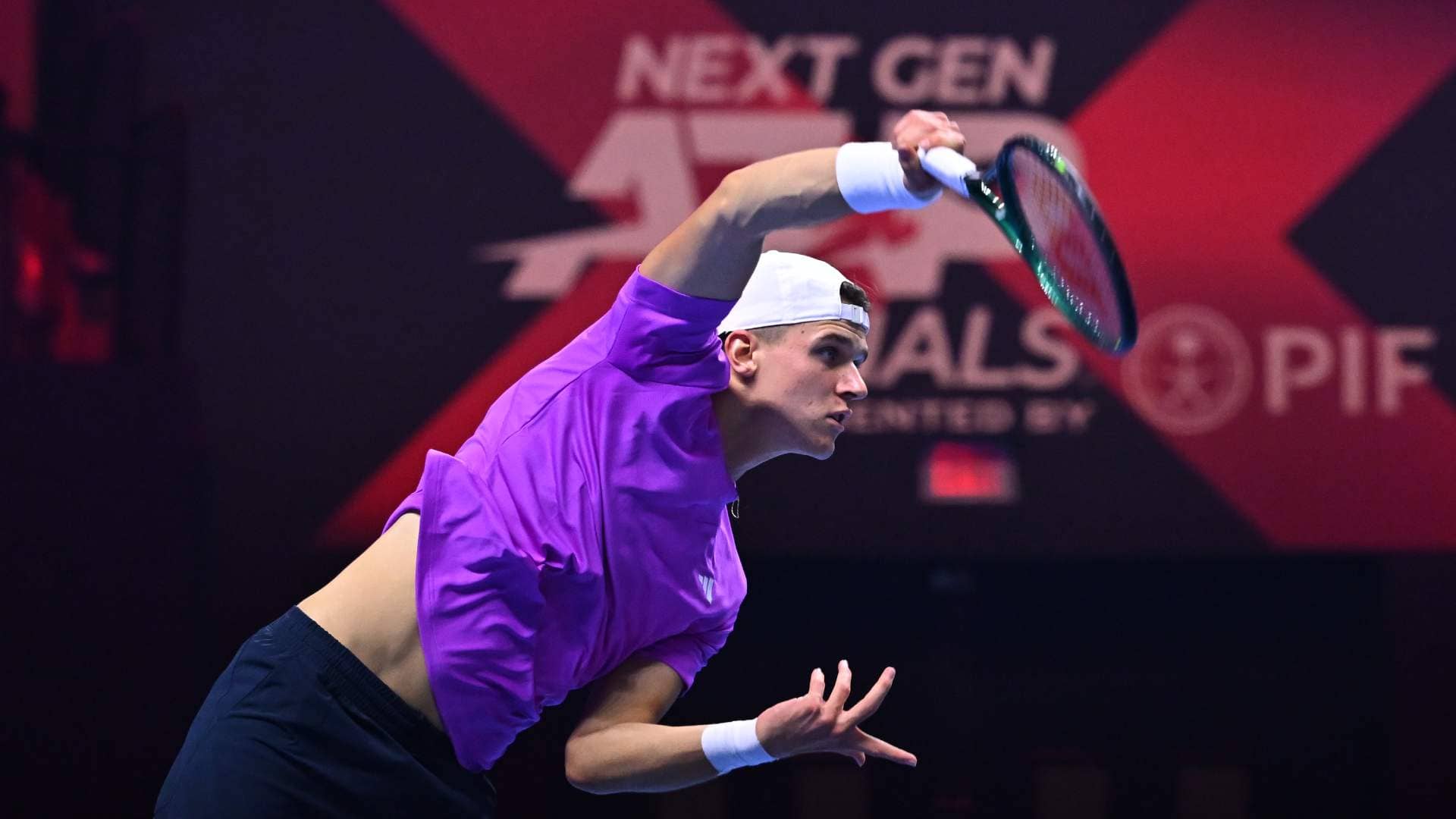
In Jeddah’s modern arena, the eighth edition of the Next Gen ATP Finals presented by PIF gathers the world’s elite 20-and-under talents for a season-crowning showdown. These prospects have chased points through a whirlwind tour calendar, securing spots via the PIF ATP Live Race To Jeddah. Now, with the field confirmed, the ATP’s unveiled rules and innovations promise to crank up the intensity, blending rapid-fire scoring with data insights that peel back layers of strategy and strain.
Scoring format demands quick composure
The best-of-five sets shift to first-to-four games each, requiring a two-game lead or a tie-break at 3-3, where games use no-ad scoring and the server selects the box. This structure, revealed in the ATP’s announcement, strips away cushions, forcing young players to lock in focus from the opening baseline exchange. On Jeddah’s swift hard courts, it favors aggressive 1–2 patterns—serve followed by a deep return—over prolonged crosscourt loops, as a single unforced error can tip a set into a seven-point tie-break needing a two-point edge.
Imagine a qualifier, fresh from a tense race, navigating this volatility; the format echoes the season’s abrupt swings, where conserving mental energy across five such sets becomes as vital as physical output. Players might counter with inside-out forehands to wrong-foot opponents, but the psychological toll mounts when holds hinge on the server’s bold box choice. These tweaks ensure every match pulses with urgency, rewarding those who channel pressure into precise down-the-line strikes.
Changeovers test endurance under fire
Changeovers skip the end switch after the first game, with 90-second sits arriving only after three games, then at 3-2 in the set, and set’s end—trimmed from 120 seconds. Tie-breaks include switches every six points, embedding motion into high-stakes moments. Drawn from the event’s updates, this rhythm combats the fatigue these teens carry from global circuits, demanding on-the-go resets amid rallies that stretch on the indoor surface.
A trailing player might use the brief pause to recalibrate footwork, preparing for a slice backhand to disrupt an opponent’s inside-in approach. The Next Gen ATP Finals field is set, featuring a mix of steady climbers and late surging challengers whose paths highlight the race’s demands. Such pacing turns matches into endurance tales, where psychological steel—forged in qualifiers—shines through as legs tire and crowds swell.
Innovations reveal hidden match edges
A three-minute warm-up launches play, balls swap every seven games, and a shot clock limits second serves to eight seconds, while between-point time shrinks to 15 seconds for rallies under three shots, holding at 25 for longer ones. Free fan movement animates the first three games, then confines to non-view areas, with the low umpire chair preserving clear views. These elements, per the ATP’s outline, infuse the arena with electric tempo, where spectator hum can jolt a serve without pausing the clock.
At the core, in-arena data analytics flood screens with aces, serve percentages, break-point stats, and rally-length outcomes, plus shot quality across serves, returns, forehands, backhands, and movement. Match insights track “In Attack” dominance, conversion scores for offensive wins, and steal scores from defense, all accessible to coaches via ATP Tennis IQ Powered by PIF, with post-match tagged video for deeper review. On this pacey court, a forehand’s quality might expose rally vulnerabilities, prompting shifts to underspin returns or crosscourt redirects mid-match.
For glimpses into the qualifiers’ paths, the Journey to Jeddah: The calm, confident rise of Tien & Sakamoto’s development captures their poised climbs. As December 17 nears, these tools won’t just speed the game—they’ll sharpen young minds, unearthing the tactics that propel the next generation toward ATP stardom.