Roddick Steps Back into Grand Slam Glory

The last American man to win a major singles title returns to Wimbledon and the US Open, not as a player, but as ESPN’s sharp-eyed analyst, ready to unpack the tactics and tensions he once lived.
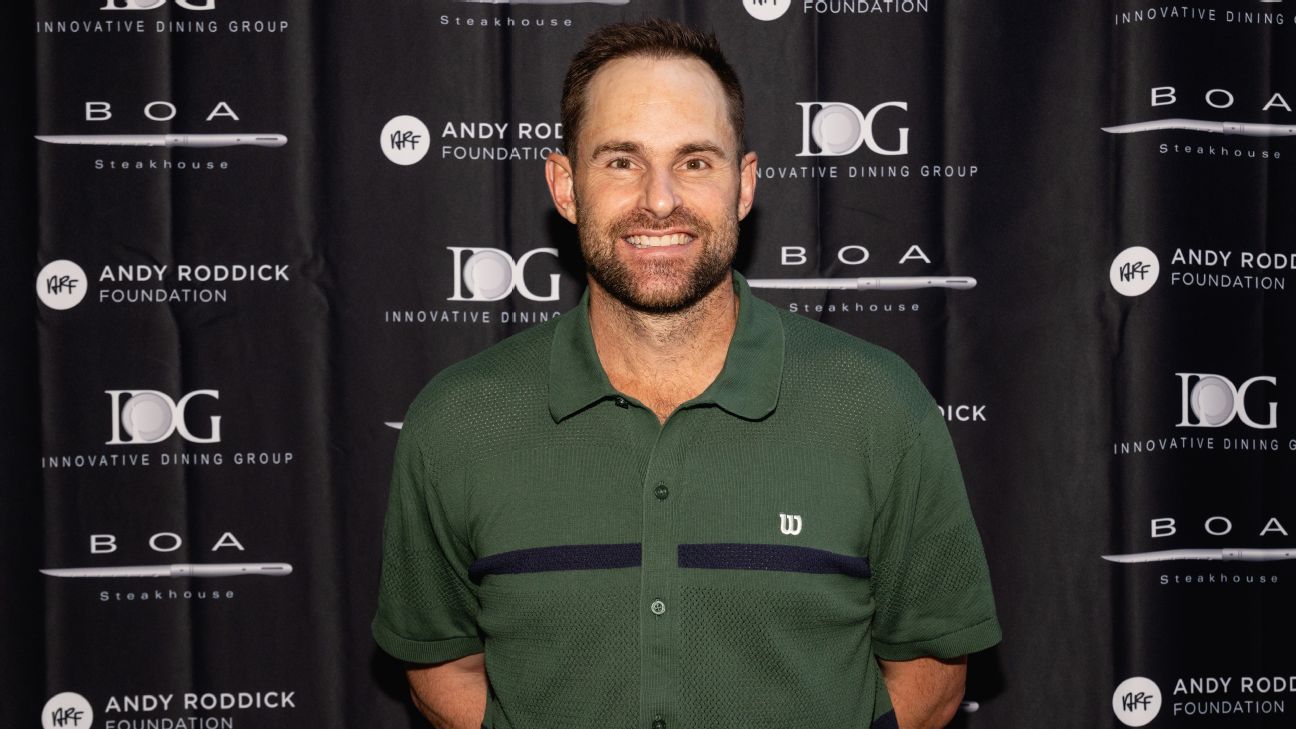
Andy Roddick, the 2003 US Open champion whose New York breakthrough stands as the last Grand Slam singles victory for an American man, is reentering the majors’ electric atmosphere. Under a multiyear deal announced Monday from ESPN’s Bristol headquarters, he’ll serve as match commentator and studio analyst for Wimbledon and the US Open, debuting just before the All England Club’s late June start. This role pulls him back to the grass and hard courts where his blistering serves once echoed through packed stadiums, now channeling that intensity into breakdowns for a new generation of fans.
Retired since 2012 and enshrined in the International Tennis Hall of Fame in 2017, Roddick brings a career etched by 32 singles titles and nine straight years in the ATP top 10. His path included anchoring the United States’ 2007 Davis Cup triumph, where team pressures sharpened his grasp of strategic shifts across surfaces.
“Simply, I’m always just a massive fan of tennis. I’m very excited to join the ESPN tennis team and look forward to covering the two biggest tournaments in the world,” Roddick said in a statement.
Grass-court finals tested his fire
Roddick’s Wimbledon odyssey defined his prime, with three finals losses to Roger Federer in 2004, 2005, and 2009—each a five-set grind where grass’s low bounce amplified every slip. He countered Federer’s slice backhands with heavier topspin forehands, aiming inside-out to stretch the court, but the Swiss’s one–two punch often turned rallies into endurance tests under the Centre Court sun. Those battles, alive with crowd surges after thunderous aces, forged Roddick’s eye for how players adjust mid-match, a perspective he’ll share as modern contenders navigate similar low-skidding points.
The mental edge from those near-misses lingers; Federer displaced him at No. 1 in 2004, forcing Roddick to refine crosscourt patterns that exploited weaker returns. Now, from the booth, expect him to trace how rising stars vary serve placement on grass, turning potential breaks into holds amid the tournament’s rising humidity.
Hard-court power fueled his breakthrough
At the 2003 US Open, Roddick unleashed 227 aces en route to the title, his 1–2 pattern setting up inside-in forehands that pinned Juan Carlos Ferrero deep in New York’s humid night sessions. The hard courts’ true bounce suited his aggressive net rushes, though his 2006 runner-up finish against Federer highlighted the need for precision—drop shots and volleys disrupted his power, demanding quicker underspin returns to reset rallies. That victory’s roar still resonates, a high-stakes release after years of building pressure as America’s top hope.
His analytical role will illuminate these surfaces’ demands, from heat-induced fatigue shortening points to strategic slices wide on the ad side opening down-the-line angles. As the US Open’s bustle builds, Roddick’s voice will capture the pulse of underdogs rising through smart adjustments, bridging his era’s baseline wars to today’s explosive athleticism.
Bridging eras from the commentary booth
Roddick’s depth extends to team play, like the 2007 Davis Cup where clay tweaks blended into his singles arsenal, teaching him the flow of momentum across ties. ESPN’s coverage, from Wimbledon’s manicured lawns to the US Open’s vibrant night matches, gains from this seasoned take on pre-match nerves and breakthrough euphoria. With American players again hunting that major spark, his insights promise to elevate the broadcast, turning tactical pivots into narratives that grip viewers courtside and beyond.