Raducanu Builds Toward Next Slam on Her Terms

Former coach Mark Petchey urges the British player to chase daily contentment and grass-court rhythms instead of external judgments as Wimbledon nears.
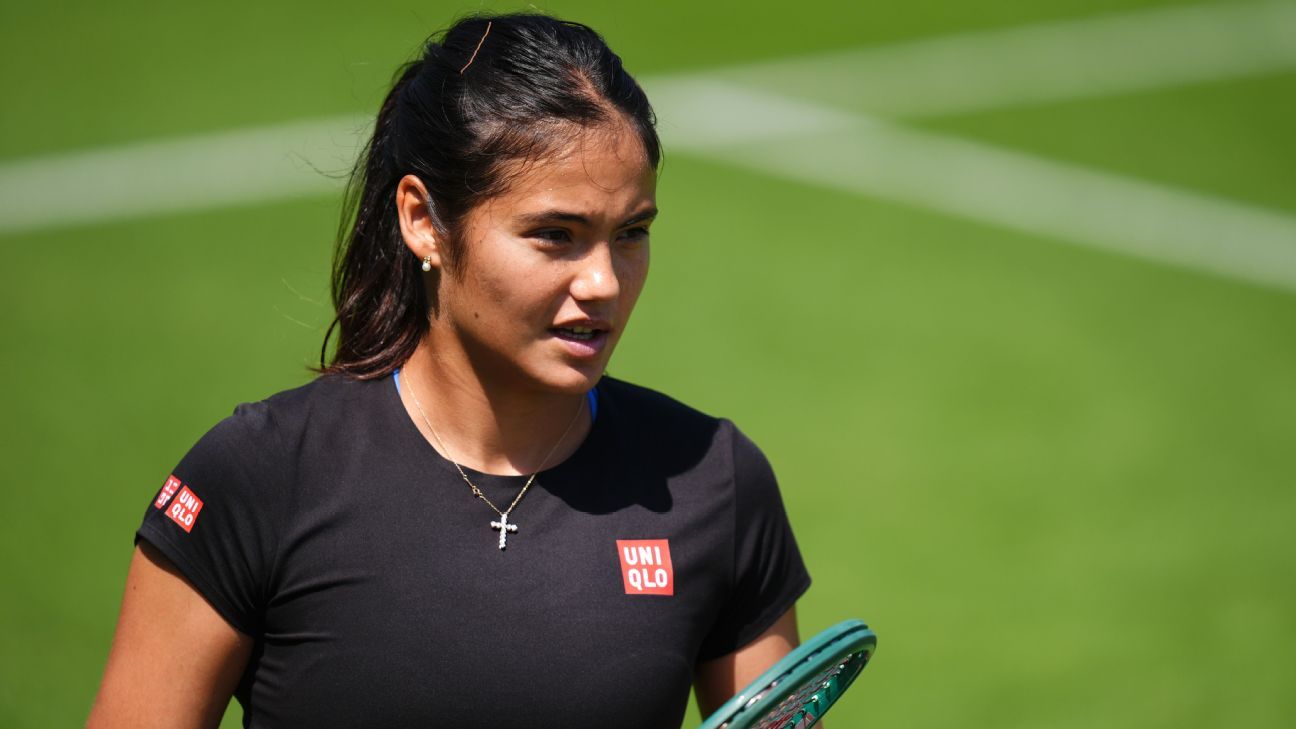
Emma Raducanu steps into another Wimbledon buildup at 23 with the memory of her 2021 US Open triumph still shaping expectations yet determined to steer her own course. The British player has endured a stop-start season interrupted by illness, but a run to the Queen’s Club final has restored momentum on her preferred surface. Former coach Mark Petchey sees a clear route forward if she anchors decisions in personal fulfillment rather than ranking calculations or outside noise.
Petchey first guided Raducanu as a teenager and later returned for a short successful stint before broadcasting duties pulled him away. He watched her reunite with Andrew Richardson, the coach who shaped the inside-out forehand patterns and aggressive baseline movement that delivered the 2021 title. That partnership revives familiar rhythms on grass where slice approaches and quick transitions have always felt most natural.
I love Emma to bits. I’ll take a bullet for her. I think her situation is so unique. I don’t envy her life, being judged every single week on a result that happened five years ago, that was an amazing story, was an absolute fairy tale.
Petchey believes she can win another major if she focuses on ordinary excellence each day instead of chasing shortcuts back to 2021. The 18-year-old who lifted that trophy now operates under constant scrutiny that treats anything short of another title as incomplete. He stresses that living the career on her own terms will protect the happiness needed for a long run at the top.
Reconnecting with proven grass patterns
Richardson and Raducanu have already begun tightening footwork and shortening backswings on returns to handle low-bouncing serves that skid across Wimbledon courts. These adjustments favor quick reactions over the heavy topspin exchanges common on clay. Her one-two combinations gain extra bite when the second shot travels crosscourt and pulls opponents wide before they settle into longer rallies.
Grass rewards split-second balance shifts that let her move from defense into inside-out forehands without overcommitting. Early sessions at the All England Club show tighter spacing between feet that reduces recovery time for opponents. Petchey has long viewed this surface as her strongest because clean ball-striking and varied serve placement create openings inside four shots.
Players to limit Wimbledon media in ongoing prize money protest adds background tension yet leaves Raducanu free to concentrate on specific tactical refinements. Jannik Sinner plays through heat wave to win Wimbledon warmup demonstrated how high first-serve percentages blunt elite returners when conditions favor attackers. French Open champ Andreeva loses Wimbledon tuneup at Bad Homburg illustrated how early-week timing can shift without recent grass exposure.
Choosing fulfillment over points chase
Petchey advises treating zero-pointer tournaments as optional rather than mandatory so she arrives at the four majors physically and mentally primed. Such an approach rejects the standard calendar grind that often shortens careers for players whose early success created outsized expectations. The 55-year-old coach noted that grass rewards the clean ball-striking she displayed during her Queen’s run and that selective scheduling preserves freshness for deep runs.
Raducanu’s unique trajectory launched at 18 grants runway many players never receive. By declining to chase every ranking point she can extend her time at the top and let results emerge from consistent preparation. Daily focus on repeatable patterns builds match confidence without forcing participation that drains energy.
The psychological weight of instant legend status has followed every coaching change and ranking fluctuation. Petchey observed the cognitive dissonance surrounding her decisions, with observers quick to criticize choices they claim they would never have made themselves. Richardson’s presence supplies a familiar framework for separating past narratives from present realities.
Opening future possibilities carefully
Petchey left his own involvement open should Raducanu need further guidance, emphasizing that silence from his phone would signal she is content. That measured stance reflects the trust built during their earlier collaboration and the recognition that her growth now rests with the Richardson partnership. The reunion allows both to cross off what might have been without pressure to replicate exact outcomes.
On grass the tactical adjustments feel less like reinvention and more like refinement of proven patterns. Raducanu’s challenge remains navigating scrutiny that attaches to every result while protecting the internal drive that originally produced the US Open title. By anchoring decisions in happiness rather than external validation she creates space for the next major opportunity to arrive on her schedule.
Petchey stressed that she can win another one for sure if she does the ordinary in an extraordinary way every single day. The 23-year-old now has the chance to shape a career defined by her own choices rather than the calendar’s demands. That freedom could produce the longest run at the top her talent has always promised.