Wimbledon prize money rise leaves players eyeing further gains

A 20 percent jump in total payout at the All England Club has eased some financial pressure yet failed to resolve deeper questions over revenue shares, leaving top players weighing limited media duties against the tactical demands of grass before the hard courts of New York.
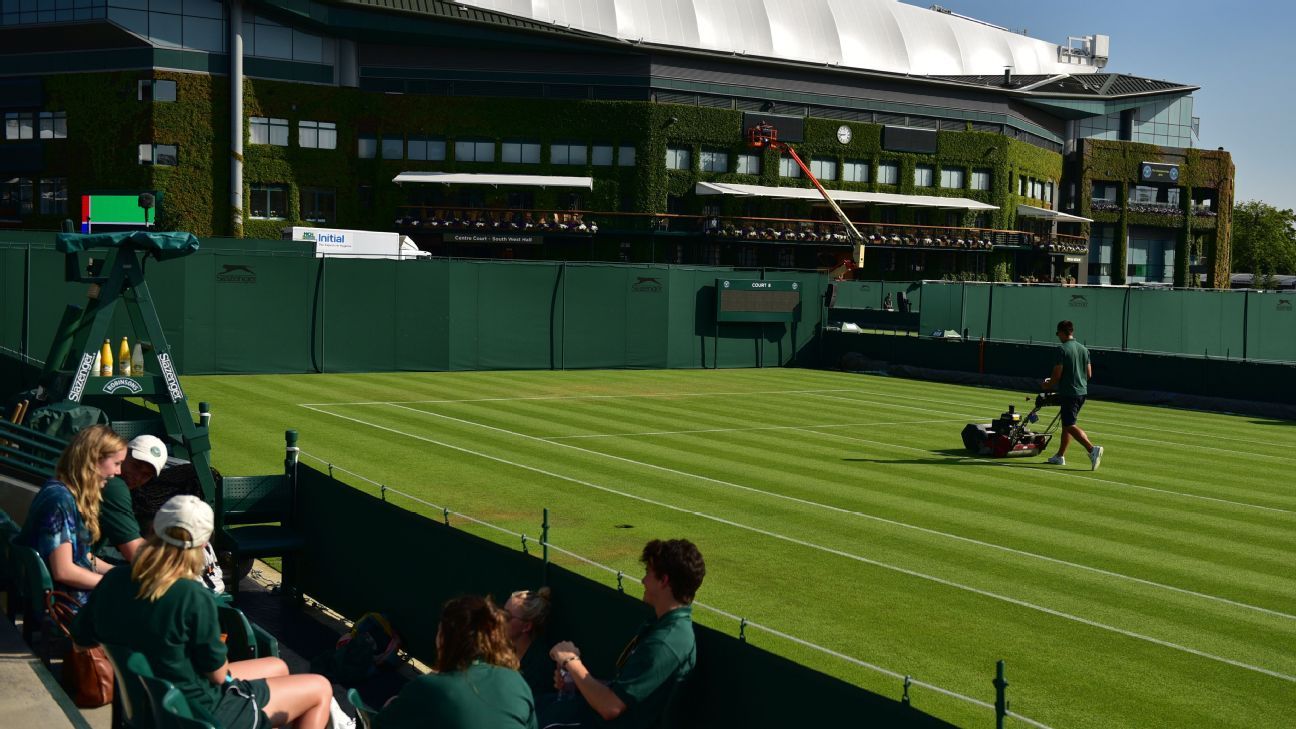
The All England Club has delivered its largest single-year prize money increase in history, lifting the overall pool to 64.2 million pounds or 85 million dollars, yet several competitors still sense unfinished business that could carry straight into the US Open.
Grass patterns test focus amid lingering talks
Jessica Pegula described the initial action as productive, yet the American noted that recent adjustments still leave core questions unresolved. The protest began at the French Open, where revenue percentages fell short of player expectations and prompted limited media access as leverage. That move carried forward to the All England Club, where total prize money reached 64.2 million pounds after the biggest annual increase by sum in the tournament’s history. Players must recalibrate footwork for the low skidding trajectories that reward early inside-out forehands and compact one-two combinations on the faster surface.
A slice backhand that stays low can disrupt rhythm on returns, yet the same shot leaves less margin for error when concentration drifts toward future talks. The 32-year-old American limited her media window on Saturday, preserving energy for the precise timing required on these courts. Novak Djokovic has not been a part of the protest. The seven-time champion chose to stay neutral, allowing uninterrupted preparation for the fast exchanges that define successful grass campaigns.
Rankings math shapes protest choices
No. 6-ranked Alex de Minaur took part in the Roland Garros protest but not at this one, with the Australian saying in quotes reported by the BBC that Wimbledon made a big step in the right direction. The decision reflects calculations around ranking points available on grass, where deep runs can shift year-end standings significantly. Cameron Norrie, who at No. 29 is the highest-ranked British men’s singles player, noted improved facilities for players and said the prize money increase is absolutely huge, acknowledging that the financial gain supports continued focus on match preparation.
Meanwhile, No. 5 Ben Shelton said, I back the players in this whole process and rattled off a list of concerns. Yet he chose not to limit media time, citing the special atmosphere at Wimbledon that rewards consistent routines. The surface favors players who can transition quickly from defense to inside-in attacks, and Shelton’s choice keeps his rhythm intact for potential longer matches. Top-ranked Aryna Sabalenka described the 20 percent increase as a great start. She expressed hope that discussions will reach a conclusion everyone accepts, reducing the need for future actions that could affect scheduling and recovery between events.
US Open outlook drives next moves
Jannik Sinner limited a media appearance and deflected questions about the protest. The Italian observed that shares are getting better even though players are not at the point where they are 100 percent happy, while also stressing that issues extend beyond money to player welfare. Sinner declined to discuss a potential player council, redirecting attention to the tennis itself and the adjustments needed for the remaining fortnight on grass.
The protest action is set to continue through the first week, with several competitors reducing media commitments to maintain leverage. This approach preserves mental bandwidth for the rapid directional changes that grass demands, particularly when returning heavy serves that skid through the court. The projected player revenue share of 14.4 percent sits below the 14.9 percent recorded ten years earlier, keeping pressure on future negotiations. Attention now turns to how these dynamics will evolve once the field shifts to the hard courts of the US Open. Players will monitor whether further increases materialize, all while refining the down-the-line winners and heavy topspin approaches that separate contenders in New York. The current week offers a test of whether the revenue conversation can coexist with the surface-specific demands that decide who advances deepest.