Pliskova’s Ankle-Tested Return Challenges Keys Down Under

Karolina Pliskova shakes off a year’s rust to reach the Australian Open third round, setting up a tense clash with champion Madison Keys where every serve counts on Melbourne’s unforgiving hard courts.
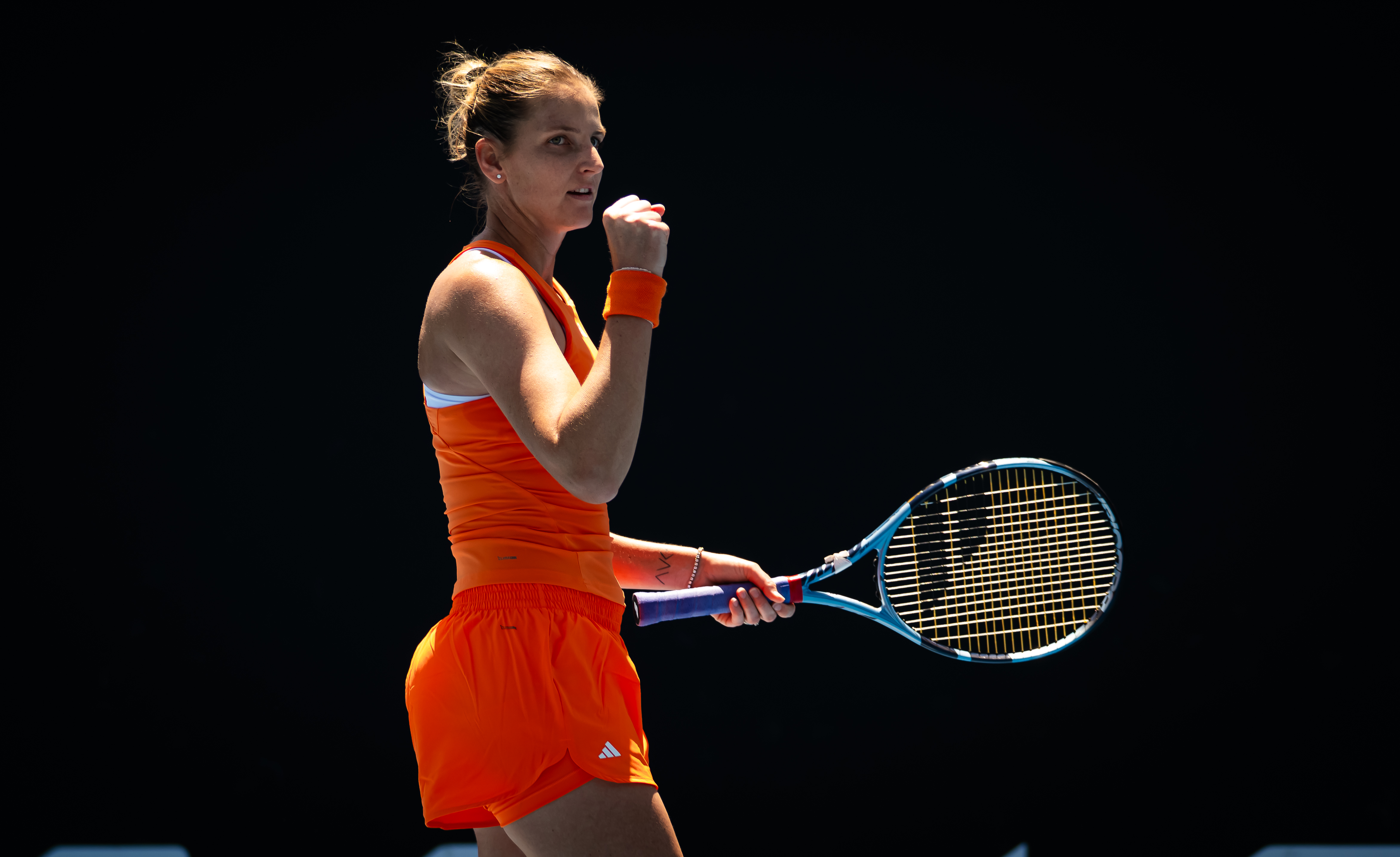
In Melbourne’s rising heat, Karolina Pliskova serves with the precision of someone reclaiming lost ground. The former world No. 1 has battled back from a devastating ankle injury at the 2024 US Open, where an awkward landing against Jasmine Paolini tore ligaments and tendons, leading to two surgeries and a 12-month absence from the WTA Tour Driven by Mercedes-Benz. Now, in just her sixth match since September 2025, she stands in the third round of the 2026 Australian Open, her protected ranking securing a main-draw spot despite a ranking outside the top 1000.
Stiff joints demand quicker rallies
Pliskova’s left ankle remains stiff, a permanent echo of the trauma that curtails her slides but sharpens her instincts on these plexicushion hard courts. She leans into explosive serves and flat groundstrokes, shortening points with one–two combinations that pin opponents deep and limit lateral demands. Against qualifier Sloane Stephens—the 2017 US Open champion who similarly battled a foot injury—Pliskova navigated a tight 7-6(7), 6-2 opener, her crosscourt forehands exploiting any pause in the American’s counterpunching.
“The ankle is still very stiff,” she said to tennis.com. “This will never get better. To be honest, it doesn’t really limit me on the court. I may not move as well, but at least it forces me to play fast.”
Thursday’s 6-4, 6-4 win over rising star Janice Tjen built on that momentum, mixing inside-out forehands with down-the-line backhands to turn defensive scrambles into winners. The Czech’s efficiency shines here, where the ball’s medium pace rewards aggression over endurance, though her body still adjusts to the shift from training blocks to match intensity. With only two WTA 125 events in Portugal and Türkiye since her return, plus the offseason break, these victories feel like vital steps in rebuilding court time.
Confidence grows through steady wins
Pliskova’s path echoes the mental grind of any long layoff, where each hold reinforces decisions under pressure. She admits to feeling not great physically after Tjen, the toll of jumping into Grand Slam rhythm after five prior matches evident in her recovery needs. Yet the day off between rounds provides breathing room, allowing her to manage the physical echoes while the crowd’s supportive hum at Rod Laver Arena bolsters her focus.
“Once we are back after such a long injury, you just hope to have some matches,” Pliskova said to press after defeating Tjen. “Sometimes you just don’t know—you can come to a big tournament, and you can have one of the top seeds in the first round. So it helped that I didn’t have any of that, and I just had the chance to maybe play like one or two matches.”
These encounters chip away at the isolation of rehab, fostering the assurance to vary shots and anticipate returns. Her 17 WTA titles, including five on hard courts, serve as quiet reminders of her pedigree, even as the stiffness pushes her toward net approaches over baseline marathons. The psychological lift from avoiding early upsets keeps her game propulsive, setting the stage for deeper runs if her serve holds above 70% first-strike rate.
Underdog fire tests champion’s edge
Now Pliskova meets reigning champion Madison Keys, who advanced past Ashlyn Krueger with flat groundstrokes that cut through the humidity like precise slices. Their only prior WTA clash, a 2020 Brisbane International final, saw the Czech prevail 6-4, 4-6, 7-5 on a similar hard surface, using wide-kicking serves to stretch the American’s returns. Six years later, dynamics flip—Keys enters favored after her 2025 Australian Open triumph, her inside-in backhands and 1–2 patterns thriving on this bounce.
Pliskova embraces the underdog role, planning to disrupt with deep body serves and underspin backhands that slow Keys’ rhythm and force mid-court errors. The favorite’s burden weighs on the champion, who must vary depth to test the Czech’s mobility without overcommitting. As Melbourne’s arena pulses with anticipation, Pliskova’s weapons—booming aces and tactical volleys—could spark an upset, her resilience turning a stiff ankle into a story of calculated speed.
“A lot of things change. She won the Australian Open here last year. I was away for some time,” Pliskova said. “She’s going to be the favorite here. So I can only surprise, but let’s see. I have my weapons, and I think it can be a good match.”
“The day off obviously helps a lot, but yesterday was a tough day for me, especially after the big win in the first round. Hope to manage it a little bit better today, but wasn’t also easy match, but at least two sets. it’s a big difference to go from training weeks to still playing matches. So I think I need a little bit of that.” In this third-round showdown on January 22, 2026, Pliskova’s return isn’t mere survival—it’s a bid to reignite her fire against proven power, with every point a step toward reclaiming her place among the elite.